
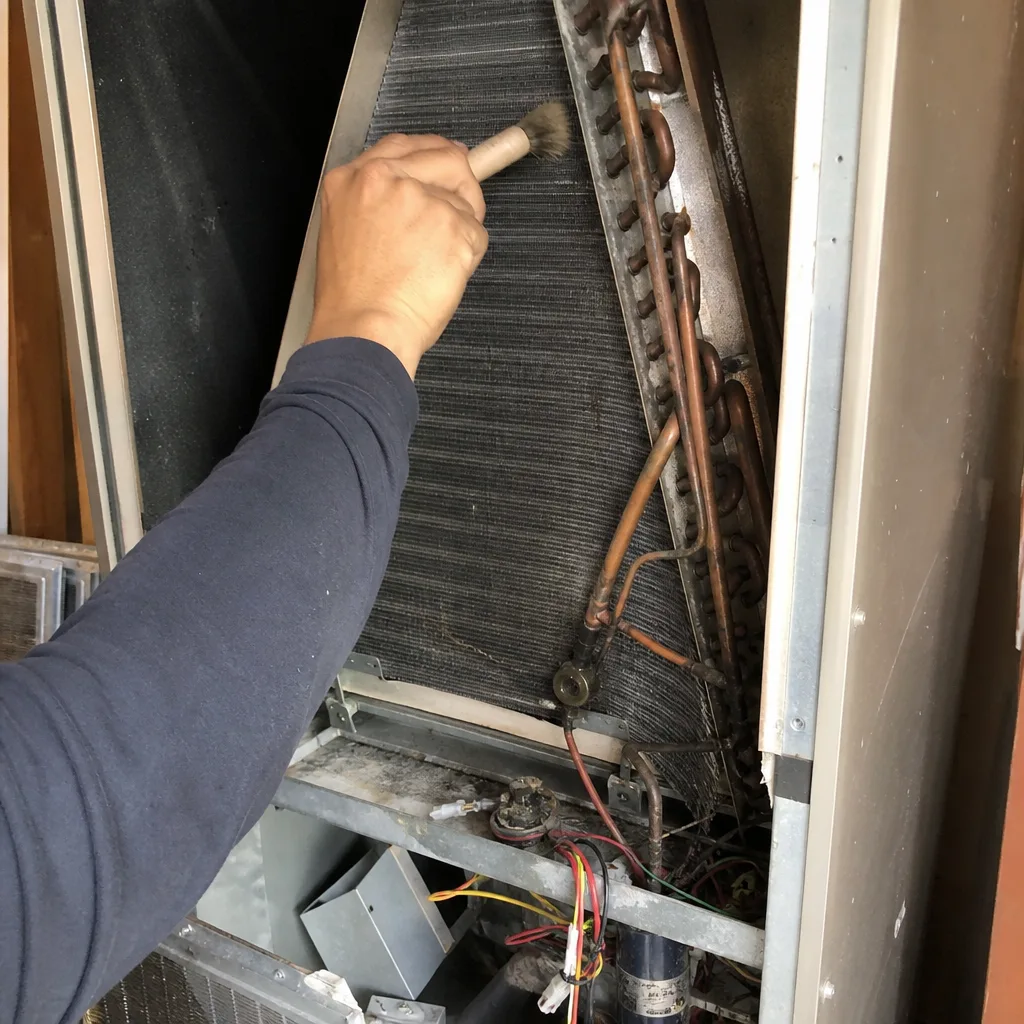
Last updated November 25, 2026
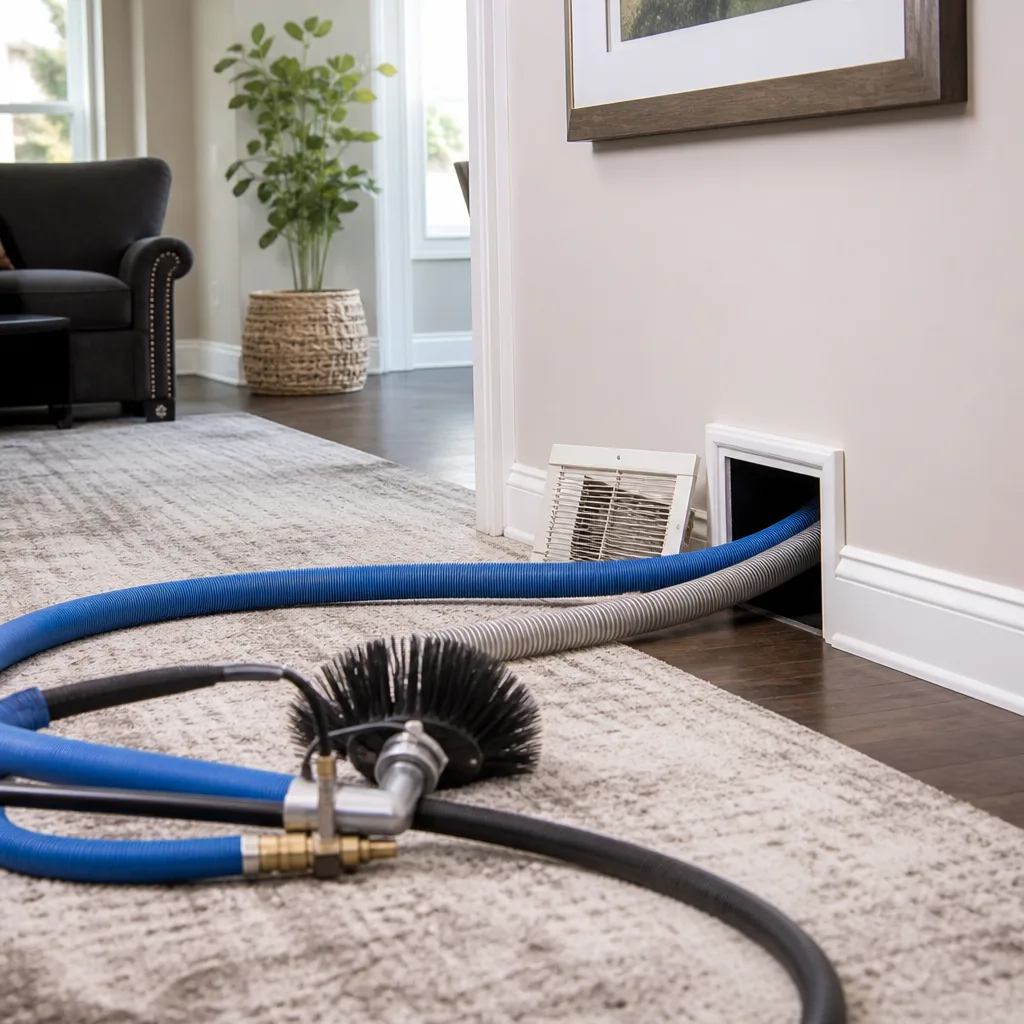 Whole-home duct cleaning
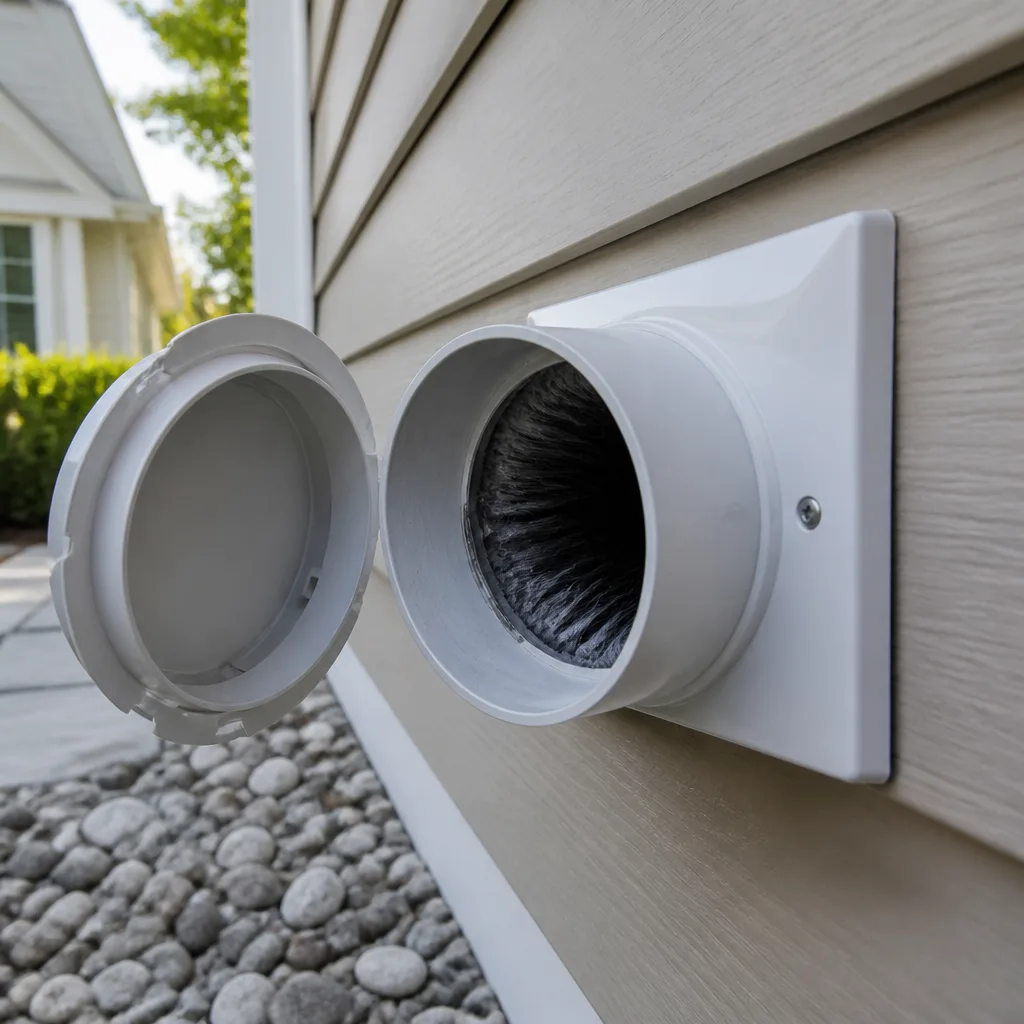 Dryer vent cleaning
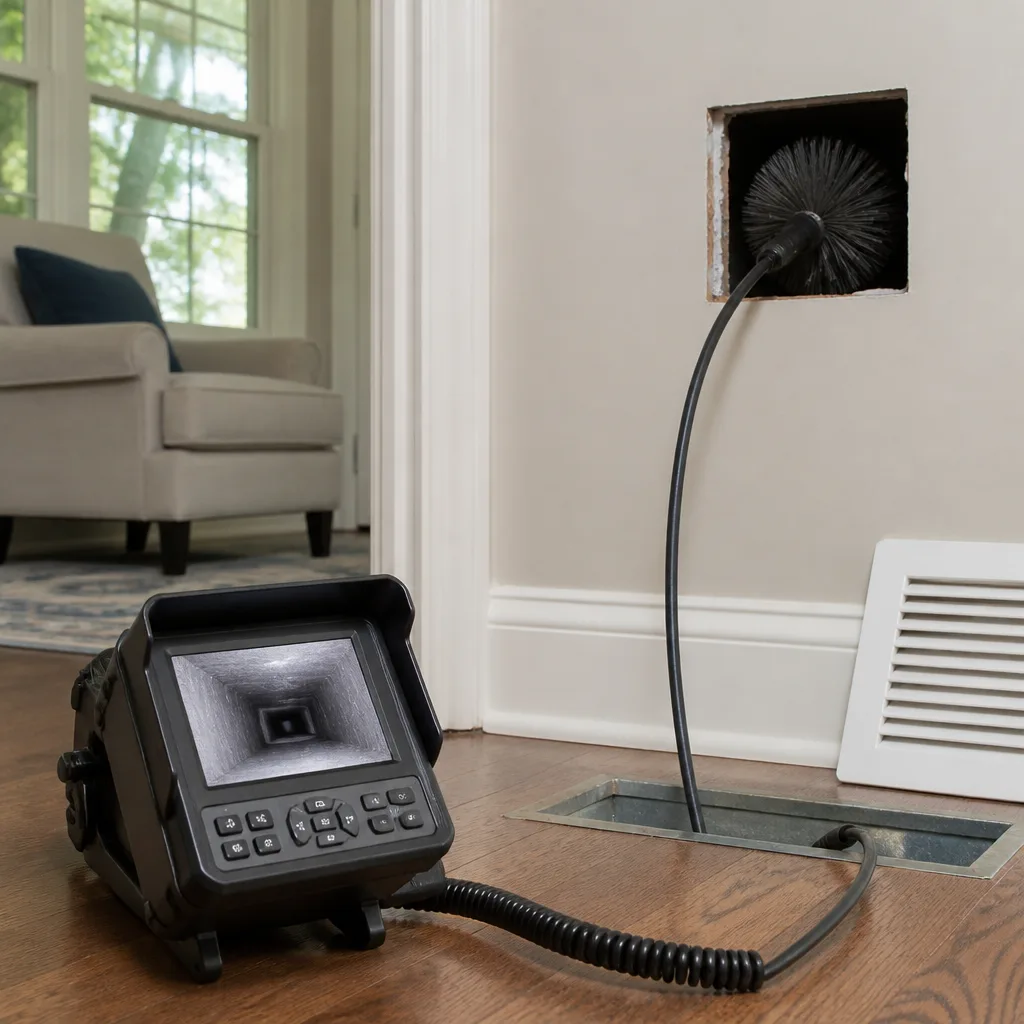 Camera inspection
 Sanitizing & deodorizing
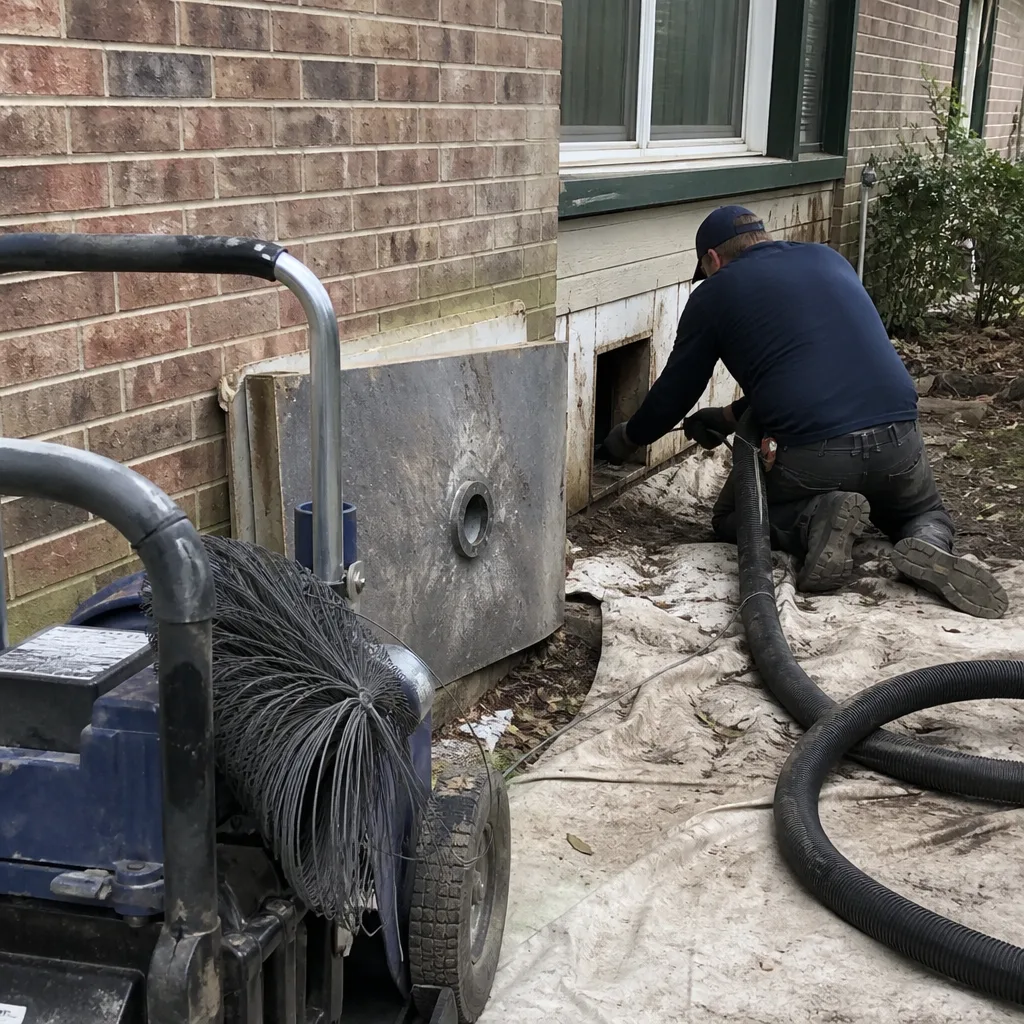
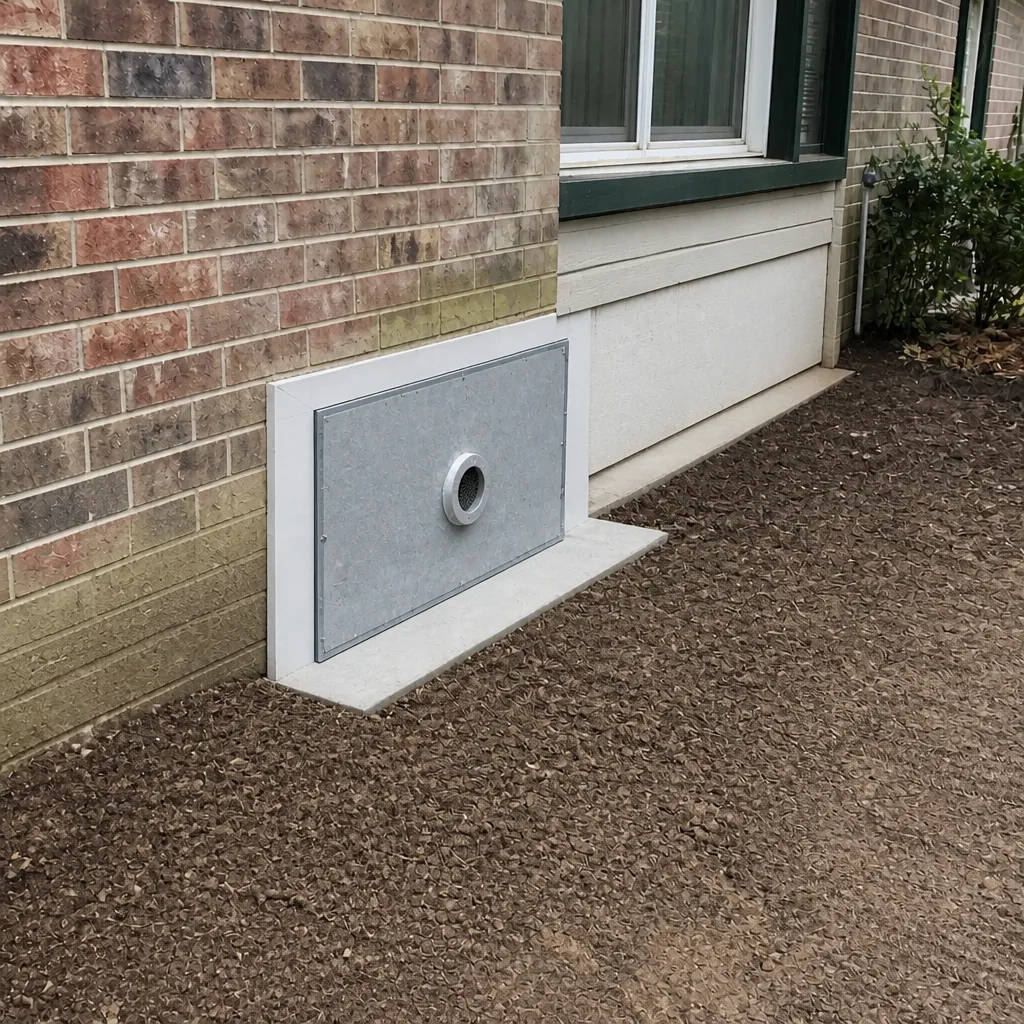
Whole-system duct and dryer vent check with before-and-after photos - you see exactly what came out of your vents
That "$99 whole-house special" is a bait ad - the real number appears once they are in your hallway, or the "clean" is a shop-vac at the register. We photograph the inside of your ducts before and after instead.
Seasonal Air Duct Cleaning Care for The Heights: Year-Round Homeowner’s Guide
Most seasonal duct cleaning advice you’ll read was written for a place with four distinct seasons. The Heights doesn’t work that way. Houston’s “spring” and “fall” are essentially two separate humidity events, and both create conditions inside your ductwork that your summer cleaning schedule alone won’t catch. The real risk in The Heights isn’t a single deep-clean season – it’s the two shoulder periods nobody plans for, and a summer that pushes HVAC systems harder than the equipment was designed to run. In this guide you’ll learn what actually happens inside flex duct during a Houston summer, why late September through November is the highest-value window for cleaning in The Heights, how to read your ducts after a storm, and how to build a service calendar that fits this climate instead of a national template.
Quick Answer
In The Heights, the highest-value time to schedule a professional duct cleaning is late September through November – after the long cooling load of summer and before the first winter heating startup. A second lighter review belongs in late spring, when pollen and humidity both peak. Flex duct needs a visual inspection after every summer and after any tropical weather event, and filters should be checked monthly from May through October because summer runtime is where The Heights really stresses a system.
Styles & brands we work with
- Whole-home duct cleaning
- Dryer vent cleaning
- Camera inspection
- Sanitizing & deodorizing
Table of Contents
- Why The Heights Has Two “Springs” and Two “Falls”
- What a Houston Summer Does Inside Flex Duct
- The September to November Window: The Best Cleaning Season in The Heights
- Spring in The Heights: Pollen Loading and Return Ducts
- Post-Storm Duct Assessment After a Tropical Weather Event
- Winter Startup: What a Mild Houston Winter Still Catches
- Your Seasonal Service Calendar for The Heights
- Filters vs. Cleaning: Getting the Timing Right
Why The Heights Has Two “Springs” and Two “Falls”
The Heights sits in a humid subtropical climate where the calendar doesn’t map cleanly onto temperature. Instead of four seasons, you get a long cooling season, a brief and often overlooked heating season, and two shoulder periods – spring and fall – where humidity swings far more than temperature does. For ductwork, those shoulder periods matter more than most homeowners expect.
In spring, outdoor humidity climbs before the air conditioner is running consistently. That’s a window when return ducts pull in pollen-laden, moisture-heavy air while the system cycles on and off unpredictably. In fall, cooling demand drops but the ducts still hold everything the summer deposited: dust, debris, and in some cases condensation staining that only becomes obvious once airflow changes.
What makes this genuinely different from a national template is the absence of a hard freeze. Without a deep winter, The Heights never gets the natural cold reset that dries out ductwork in colder climates. Humidity lingers in the envelope longer, and the shoulder periods become the seasons that actually drive duct condition. That’s why a seasonal guide for The Heights has to be built around humidity events, storm cycles, and HVAC runtime – not around a generic “clean every fall” rule of thumb.
If you want a plain-language primer on what professional cleaning covers before you go deeper into the seasonal timing, start with our air duct cleaning service overview.
What a Houston Summer Does Inside Flex Duct
Most homes in and around The Heights use flex duct for at least part of the distribution system – it’s common in attic runs and in retrofits. Flex duct is a good product, but it’s sensitive to heat and humidity, and a Houston summer loads it in three specific ways that show up as real problems by October.
Thermal expansion and cycling
Attic temperatures in a Houston summer push well above outdoor air temperature, and the flex duct inside those attics expands and contracts with the daily cooling cycle. That movement is small, but repeated every day for four months it can loosen connections, pull duct tape free, and open small gaps at collars and boots. Those gaps leak conditioned air into the attic – and pull attic air, insulation fibers, and dust back into the airstream.
Condensation cycling
Humid air meeting a cold duct surface condenses. In The Heights, that happens most aggressively in the first hour after the system starts each morning and again in the evening when the thermostat changes. Over a summer, condensation cycling can stain the outer jacket and, if the vapor barrier is compromised, wet the insulation from the inside. Wet insulation loses its insulating value and becomes a place where biological growth can take hold.
Insulation compression
Flex duct that’s been pinched, kinked, or compressed against framing loses capacity. Compressed insulation means a colder outer surface, which means more condensation. It’s a loop: compressed duct, more sweat, more moisture, more compression-related loss of performance. That’s one reason a Houston summer is the season that turns a small installation issue into a visible duct problem.
What to check after the cooling season
- Look at the outer jacket of accessible flex runs for staining, sagging, or tape that’s coming loose.
- Check for visible moisture or dark spots where duct runs meet the ceiling or wall.
- Notice whether some rooms cool more slowly than they used to – a sign of a leaking or compressed run.
- Smell the air at a return grille when the system first starts. A musty note after summer is worth investigating.
- Book a professional inspection before winter. Small sealing issues are easier to fix in the fall than mid-summer.
If the seasonal check turns up torn or disconnected runs, that’s a repair job, not just a clean. We handle air duct cleaning The Heights alongside structural duct repair and sealing, so the same visit can catch the problem and fix it.
The September to November Window: The Best Cleaning Season in The Heights
Late September through November is the highest-value window for a professional cleaning in The Heights, and it’s not a marketing line. It’s the only stretch of the year when the ducts are hot, dry, and loaded – and the HVAC system hasn’t yet started its winter run.
Think about what’s happened by the end of September. The system has run hard for four months. Return ducts have pulled in summer dust, pollen residue from spring, and whatever the household tracked in all summer. The attic has been at peak heat, so any condensation cycling has already happened. If there’s a moisture problem developing, it’s had time to show. That’s exactly the state you want to clean from – because you’re removing the accumulated load before winter circulation spreads it back through the house.
Cleaning in this window also sits ahead of the winter heating startup. In a mild Houston winter, the heat runs less than it would up north, but that first week of heating still circulates air the system hasn’t moved in months. Cleaning before that transition means the first warm-air cycle of the season moves clean air instead of dust.
Why cleaning in this window beats cleaning in July
- Summer load is complete: you’re removing everything the cooling season deposited rather than cleaning mid-accumulation.
- Ductwork is at its driest: any condensation from the shoulder weeks has had time to evaporate, so the system is easier to work with.
- You’re ahead of heating season: the first furnace cycle of winter starts from a clean duct.
- Repairs are easier to schedule: sealing a leaking run in October is a straightforward job in most homes.
- You get a full picture before the next spring: the inspection doubles as a baseline for the coming year.
In our experience working in The Heights, homes that clean in October often find issues – a pinched run, a failing connection, staining at the plenum – that would have gone unnoticed until they either raised a bill or distorted the indoor air. Catching them in the fall means fixing them before they compound.
Spring in The Heights: Pollen Loading and Return Ducts
Spring in The Heights is a pollen event as much as a temperature event. Between roughly March and May, the air is heavy with tree and grass pollen, and your return ducts are the sieve the whole house breathes through. When the air conditioner has been off for stretches and the windows are open in the mild days, a lot of that pollen collects in the return plenum and on return grilles before the cooling season even starts.
This matters because return ducts are usually the dirtiest part of a residential system. Return air carries the highest dust and pollen load, and it’s pulled through the filter first – but a filter only catches what it’s rated to catch, and the fine fraction that passes it lands on return duct surfaces. Once the cooling season starts, that layer gets disturbed and redistributed through the supply side.
Spring cleaning timing, in plain terms
- Check and change the filter in early March, ahead of heavy pollen.
- Look at return grilles for visible dust or pollen film; if they load within a few weeks, the duct behind them is likely worse.
- Schedule a professional inspection if it’s been more than about two cooling seasons since the last cleaning, or if anyone in the home has spring allergy symptoms that follow them indoors.
- Consider whole-home filtration upgrades before the cooling season load peaks, rather than trying to clean your way out of it in July.
If spring allergies in The Heights are consistently worse indoors than outdoors, filtration is usually the bigger lever than cleaning alone. Products from Aprilaire and Honeywell integrate with the HVAC system to catch the finer fraction a standard filter misses, and we recommend and install them as part of an air quality assessment rather than as a standalone gadget sale.
Post-Storm Duct Assessment After a Tropical Weather Event
After a tropical weather event in The Heights, the risk to your ducts is not always visible from the living room. A home can look completely undamaged and still have moisture in the ductwork or the air-handling space – and moisture in a duct system is a much bigger problem than dust.
Here’s the sequence we recommend after any storm, whether or not the home appears to have taken damage:
- Check the air handler and plenum area first. Look for standing water, damp insulation, or staining around the unit itself. If anything is wet, don’t run the system until a professional has seen it.
- Look at the ceiling and wall around every supply and return grille. Water staining or soft drywall near a grille is a sign that moisture reached the duct run.
- Smell the return air. A musty or earthy smell that wasn’t there before the storm is a strong signal something got wet and stayed wet.
- Watch for high indoor humidity that won’t come down. If the system is running but indoor humidity stays elevated for days, the ductwork or the envelope may be admitting moist air.
- Inspect accessible attic duct runs for sagging insulation, stained jackets, or disturbed connections – storm wind and pressure changes can move flex duct that was once well supported.
- Call for a professional moisture assessment if any of the above turn up, or if the home lost power for an extended period during high humidity.
One reason we use Abatement Technologies air-containment equipment on applicable jobs is that storm-related situations often involve contaminants that shouldn’t be disturbed casually. Containment keeps the work isolated from the living space while the system is being evaluated and cleaned. If moisture intrusion turns up, the job becomes a repair-and-sealing job as much as a cleaning job – and we handle both in one visit rather than handing you off to a second contractor.
Winter Startup: What a Mild Houston Winter Still Catches
Houston winters are mild, and that’s precisely the problem for duct care. Because the heating season is short, homeowners tend to skip the startup checks that colder climates force on you. Then the first cold snap arrives, the furnace runs, and a system that hasn’t moved warm air in months pushes whatever’s been sitting in the ducts into the living room.
The winter startup in The Heights is a light but real sequence, and doing it well sets up the following spring:
- Change the filter before the first heating cycle of the season, not after.
- Run the system and notice the smell at the first return grille. A dusty, burnt, or musty note is worth investigating.
- Listen for air noise at supply registers – a change in sound can indicate a loose or disconnected run.
- Check for drafts or temperature differences between rooms that were once more even.
- If it’s been two or more years since the last professional cleaning, use the winter months to schedule one before spring pollen returns.
Winter is also a good time to combine duct cleaning with the rest of the system. A full HVAC cleaning covers the coil, blower, and housing, which is where a lot of the dust that reaches your ducts starts. Doing both in the same visit – along with a dryer vent check – is one call that covers the whole system, rather than three separate appointments in the middle of a busy season.
Your Seasonal Service Calendar for The Heights
Here’s the sequence we recommend for a typical The Heights home. It’s built around the actual climate pattern – two humidity shoulder periods, an aggressive cooling season, and a short heating season – rather than a generic four-season template.
March (spring start)
- Change the filter and note the condition.
- Inspect return grilles for pollen loading.
- Book a professional cleaning if it’s been two years or more, or if anyone in the home has persistent spring allergies indoors.
- Consider filtration upgrades before the cooling season starts.
May through September (cooling season)
- Check the filter monthly. Houston runtime is heavy; a filter can load faster than the label suggests.
- Watch for rooms that cool unevenly – a sign of a duct issue.
- Smell the air at a return grille monthly. A new musty note is worth investigating.
- After any tropical weather event, run the post-storm checklist above.
September through November (the high-value window)
- Schedule the annual professional cleaning and inspection.
- Address any duct repair or sealing found during the inspection in the same visit.
- Combine with an HVAC cleaning if the coil or blower is due.
- Schedule a dryer vent cleaning if it’s been more than a year.
November through February (winter startup)
- Change the filter before the first heating cycle.
- Inspect for air noise, drafts, or uneven temperatures.
- Do a light visual review of accessible duct runs.
- If ducts weren’t cleaned in the fall, use the winter to schedule one before spring pollen.
Not every home needs every step every year. A well-maintained newer system with a strong filter may only need a professional cleaning every two years. Older flex duct in a hot attic may need it annually. The calendar above is a starting point – the right frequency depends on your duct condition, filtration, and how much the system runs.
Filters vs. Cleaning: Getting the Timing Right
Filters and cleaning do different jobs, and confusing them is one of the most common reasons homeowners in The Heights either over-service or under-service their system. A filter catches what’s moving through the air at the moment it passes. Cleaning removes what has already settled on duct surfaces. No filter, no matter its rating, will undo the accumulation already on the return plenum.
The right sequence, generally:
- Upgrade the filter first if you’re seeing rapid loading and want to slow accumulation.
- Clean once the accumulation is already there – typically after a long cooling season.
- Consider sealing leaking runs so the filter has less to catch in the first place.
- Recheck the filter a month after cleaning to see how the system responds.
This is also where professional-grade equipment matters. Rotobrush and Nikro systems are built for duct work specifically, with agitation tools and HEPA-level filtration that entry-level rigs don’t have. That’s the difference between a cleaning that removes the accumulated load and one that just disturbs it. Guardsman-grade care standards matter too – protecting your floors and interiors while the work is done – but the equipment is what determines whether the work actually does what it claims. If you want the full picture on what that process looks like in a home, our dryer vent cleaning page shows the same equipment-led approach applied to a smaller, equally seasonal system.
Common Mistakes to Avoid
- Cleaning only in summer. A July cleaning catches a moving target. The fall window catches the completed summer load instead, which is why it’s the better bet in The Heights.
- Ignoring the shoulder periods. Spring and fall in The Heights are humidity events, not just transitional weather. Skipping a check in either is where most seasonal schedules fail.
- Skipping the post-storm check because the house looks fine. Moisture in a duct system is often invisible. If a storm passes through The Heights, run the checklist even if nothing looks damaged.
- Cleaning without repairing. A cleaning that leaves a leaking or disconnected run in place just re-contaminates the system. Fix the structure in the same visit.
- Using the filter as a substitute for cleaning. A filter slows accumulation but doesn’t remove what’s already there. Both have to be right.
- Choosing a quote on price alone. A very low quote usually means less equipment, less scope, and less time on the job. Ask what equipment will be used and whether repair is included.
- Skipping the HVAC side. Cleaning ducts without cleaning the coil and blower leaves the source of much of the load in place.
See the difference
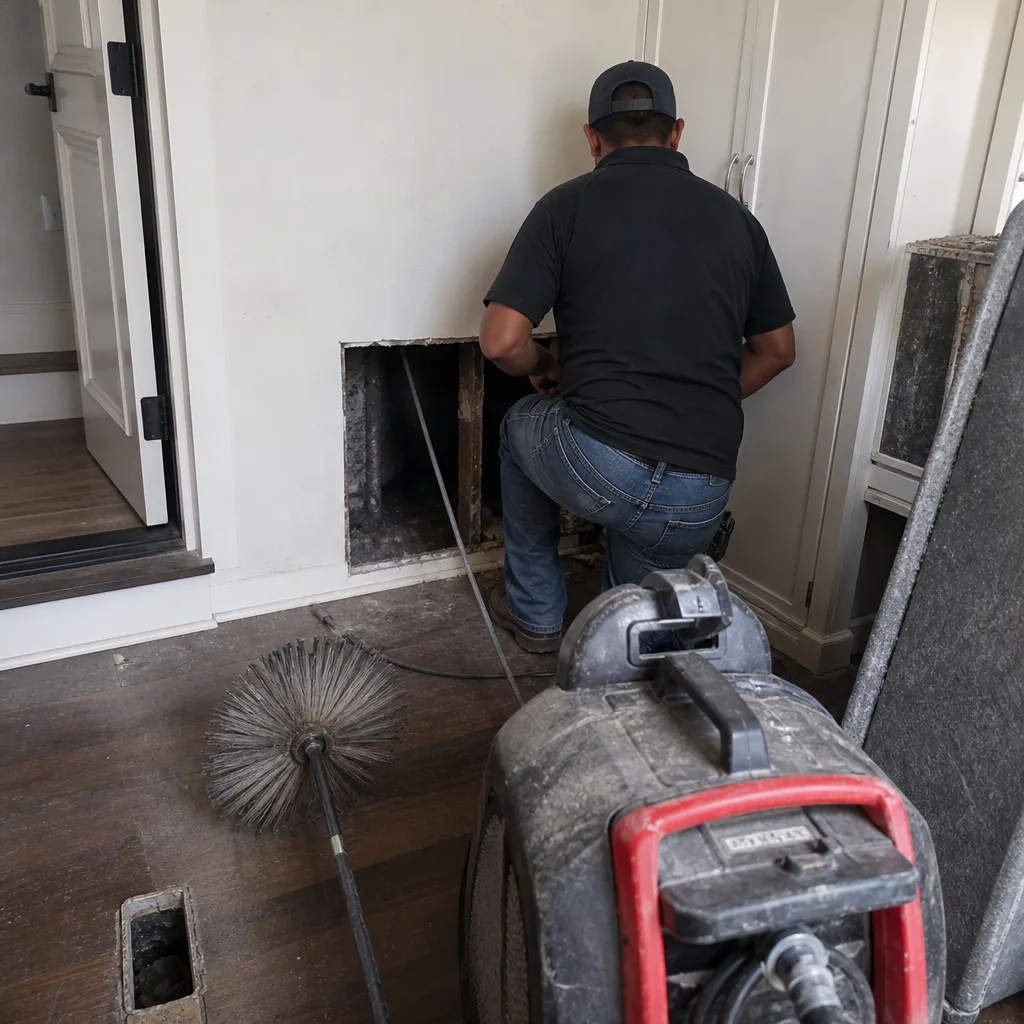 Before
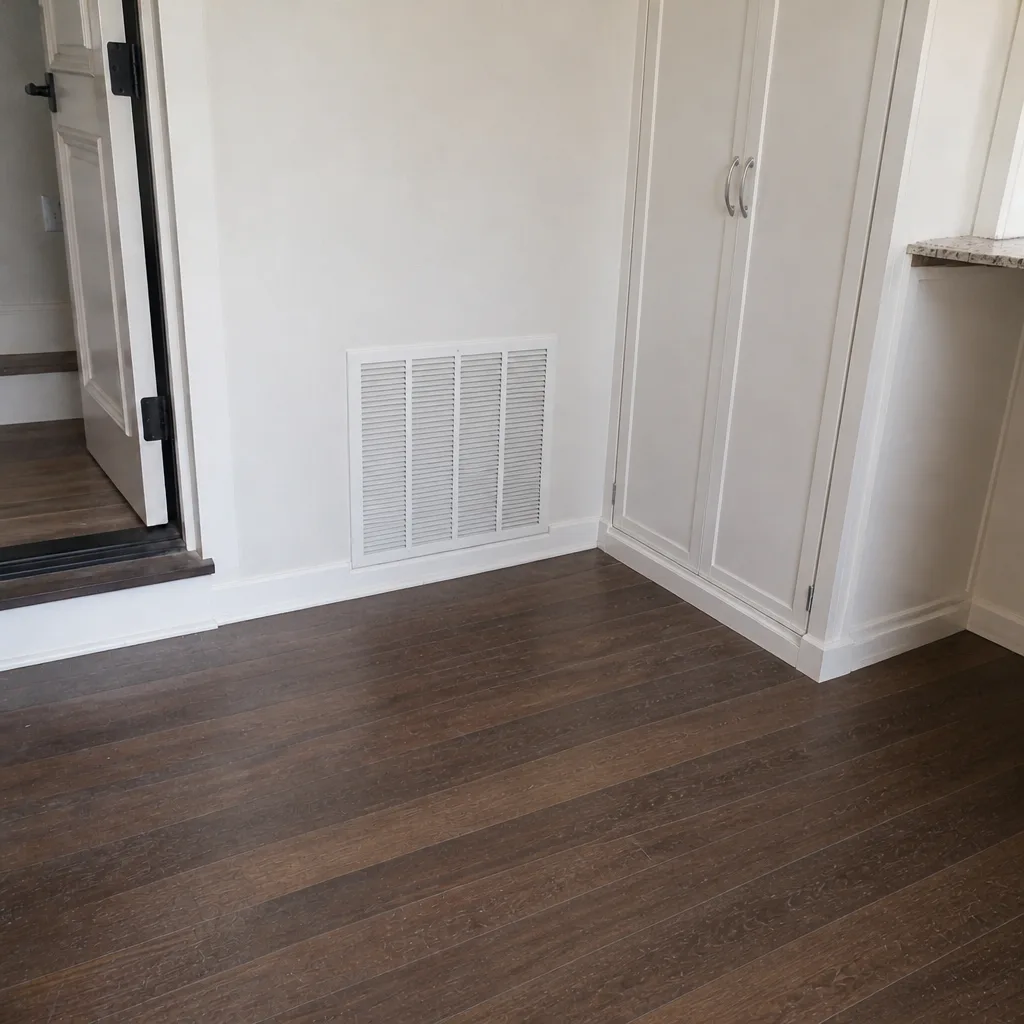 After
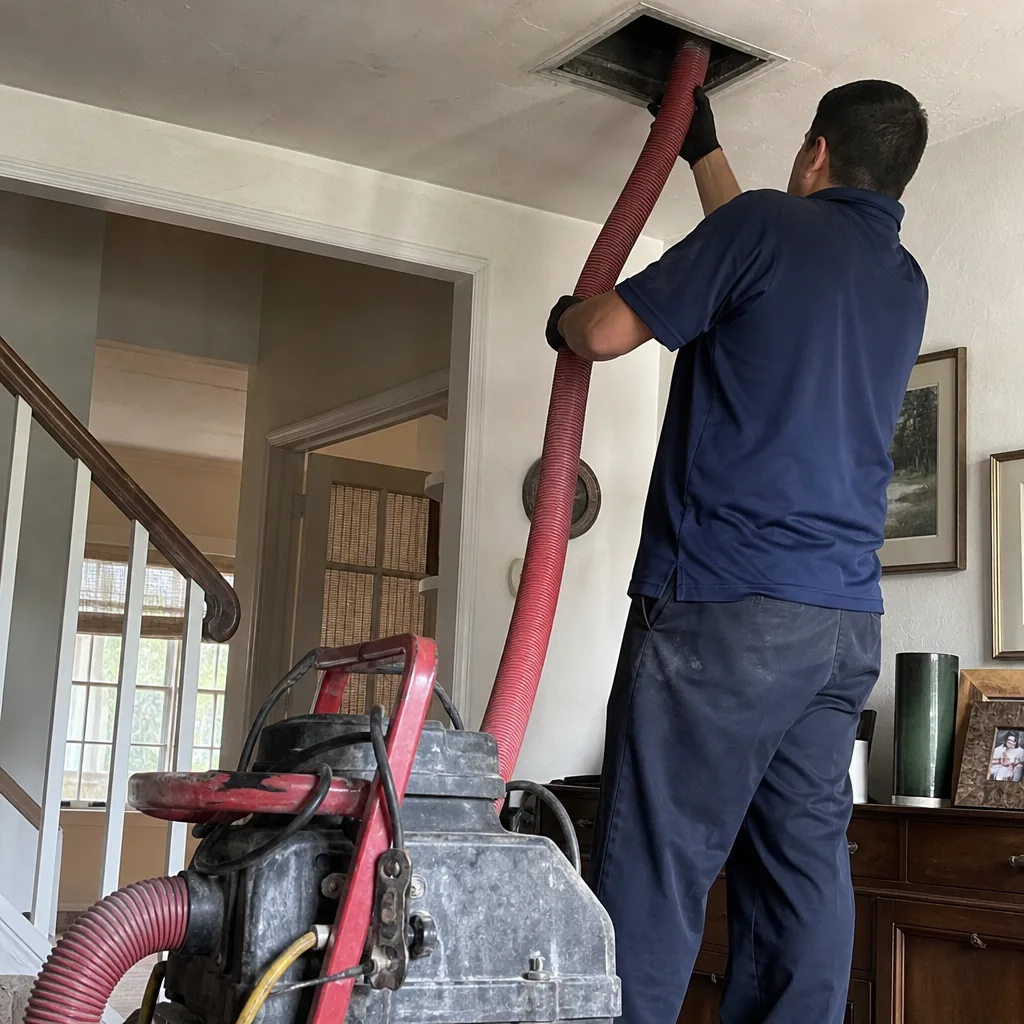 Before
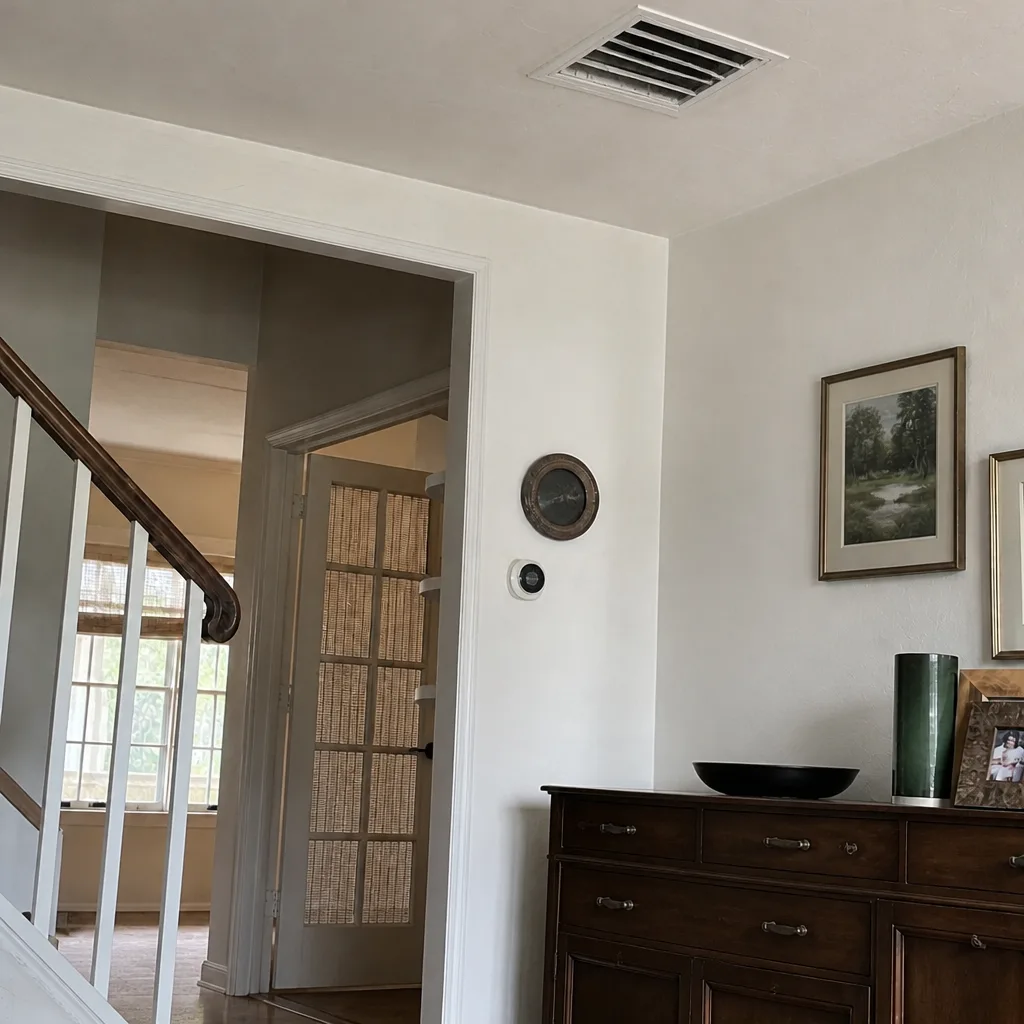 After
 Before
 After
When to Call a Professional
Some seasonal checks you can do yourself. Others you shouldn’t. Call a professional if you smell a musty or earthy note at a return grille that doesn’t clear after a filter change; if the house has been through a tropical weather event and any moisture indicator turns up; if rooms that used to cool evenly have started to drift; if the ducts haven’t been cleaned in two cooling seasons or more; if anyone in the home has persistent indoor allergy symptoms; or if you see visible damage to flex duct at accessible runs. We answer 24/7 and dispatch from 7am to 7pm, Sunday through Friday. Air Duct Cleaning The Heights offers free estimates in The Heights – call (855) 726-7524 for an honest read on what your ducts actually need this season.
Frequently Asked Questions
Late September through November, after the summer cooling season and before the first winter heating cycle. That window lets you clean out the full summer accumulation, spot any condensation or flex-duct issues before they compound, and start the heating season from a clean system. A lighter spring check around March is also useful for pollen-driven homes.
For a typical The Heights home, professional cleaning every one to two years is a reasonable range. The right frequency depends on your duct type, filtration, and how heavily the system runs. Homes with older flex duct in a hot attic often benefit from annual cleaning because the summer load is heavier; newer systems with strong filtration can go longer. Call (855) 726-7524 for an honest assessment of your specific system.
Not usually in a way you’d notice immediately, but the repeated cycle of expansion, condensation, and compression across four months of heavy runtime does stress flex duct. The visible signs tend to show up by fall: staining on the outer jacket, tape that’s pulled loose, sagging runs, and rooms that cool unevenly. A post-summer inspection catches them before they turn into performance problems.
Check the air handler and plenum for moisture, look for staining at supply and return grilles, smell the return air for a musty note, and watch indoor humidity for several days after the storm. Also inspect any accessible attic duct runs for disturbed connections. If any indicator turns up, call for a professional moisture assessment before running the system.
Cheap quotes usually reflect less equipment, less scope, and less time on the job. Professional systems like Rotobrush and Nikro require real investment, and a company using them typically takes longer to do the work properly. Ask what equipment will be used, whether repair is included, and whether the job covers the full system. The lowest number rarely delivers the same result. Call (855) 726-7524 for a quote that explains what’s included.
Ask for before-and-after photos of your own duct runs and confirmation of which equipment was used. A company that uses professional systems and does genuine work is usually happy to show you. If a quote is unusually low or the work happens faster than makes sense, that’s worth questioning before the invoice arrives.
The Bottom Line
The Heights has two humidity events, an aggressive cooling season, and a brief winter – not four equal seasons. Build your duct care around that reality: filter changes and pollen checks in March, monthly filter reviews through summer, a post-storm assessment after any tropical event, and a professional cleaning in the September to November window before the first heating cycle. Flex duct deserves a visual inspection every fall because a Houston summer works it harder than the label suggests. If repair is needed, get it fixed in the same visit – a cleaning without a repair is a cleaning that recontaminates. Rotobrush, Nikro, and Abatement Technologies equipment exist for a reason; a professional-grade process is the difference between real removal and a quick pass with a shop vac.
Call Air Duct Cleaning The Heights at (855) 726-7524 for a free estimate. We answer 24/7. Fast dispatch from 7am to 7pm, Sunday through Friday. One call covers the whole system – ducts, HVAC, dryer vent, sanitizing, and repair – so you’re not juggling contractors in the middle of a busy season.
Written by the team at Air Duct Cleaning The Heights.