
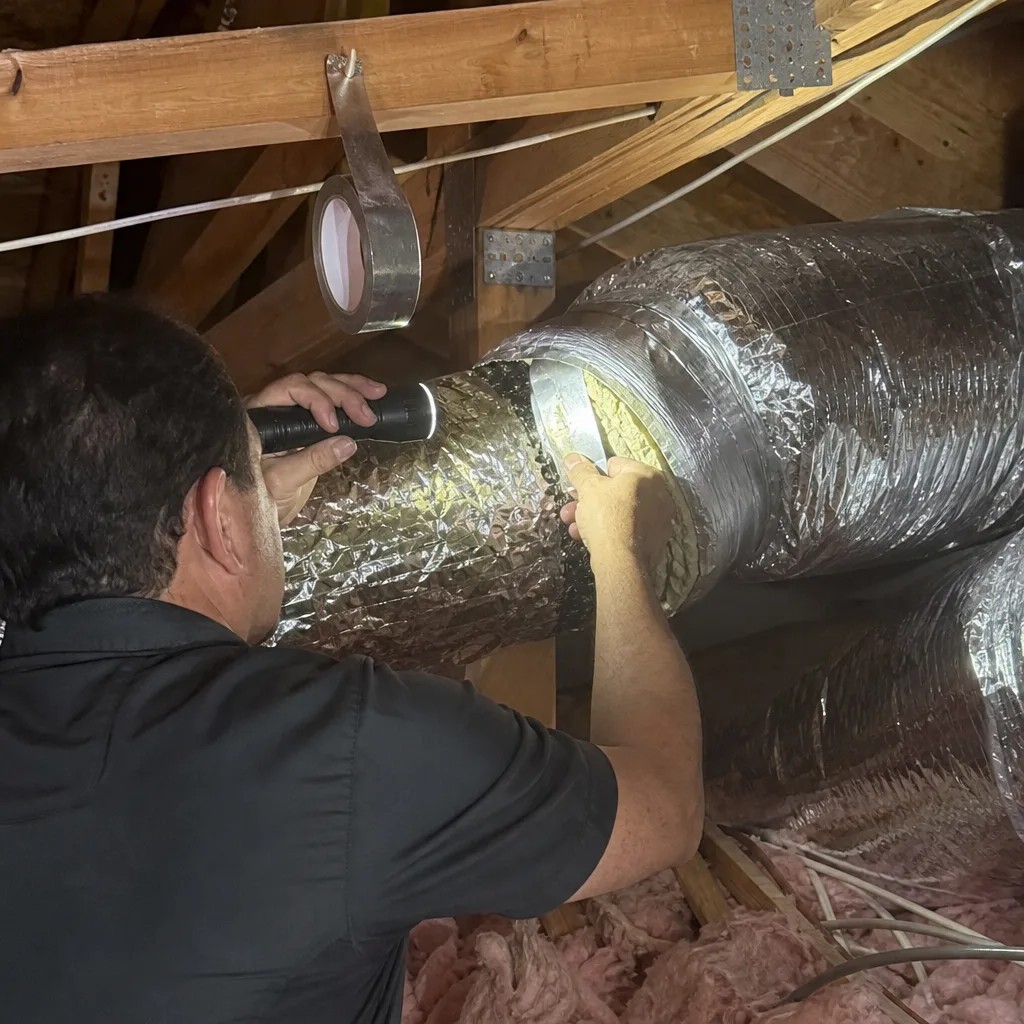
Last updated November 25, 2026
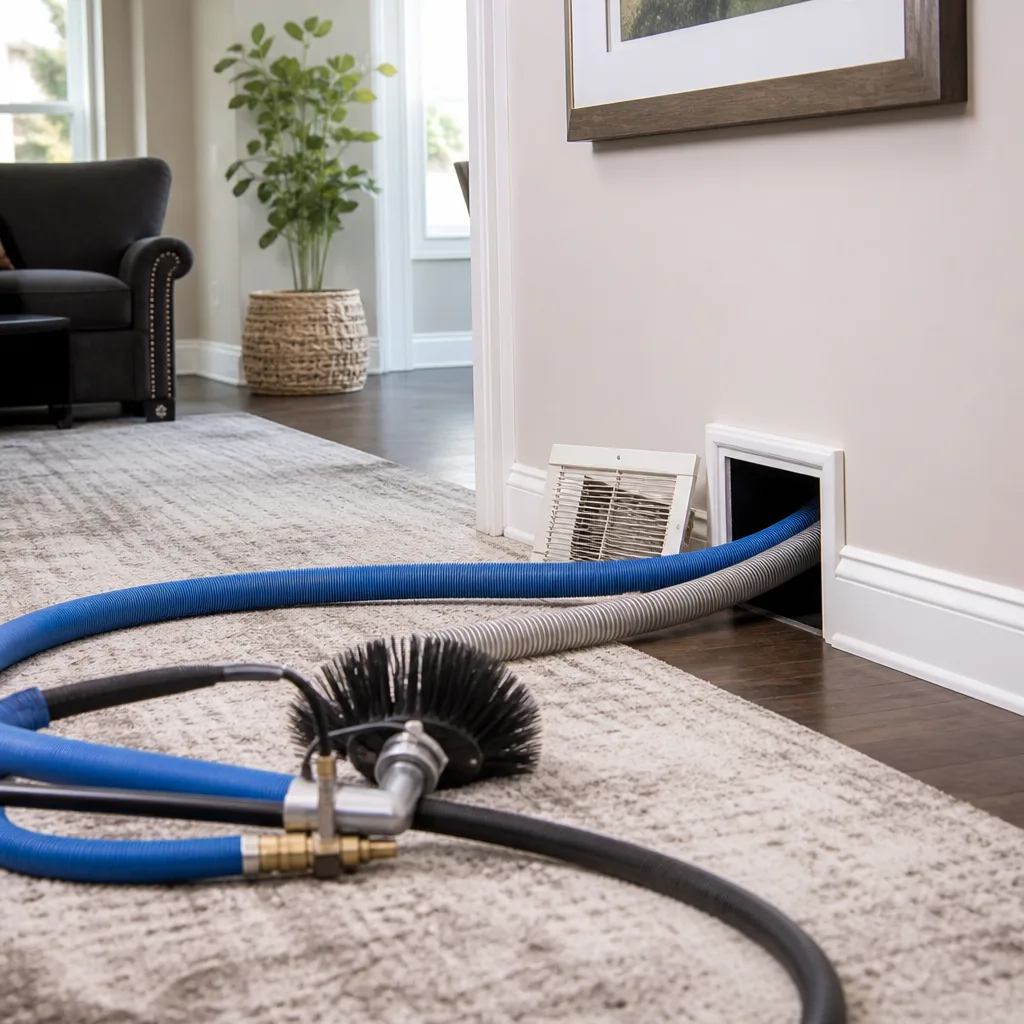 Whole-home duct cleaning
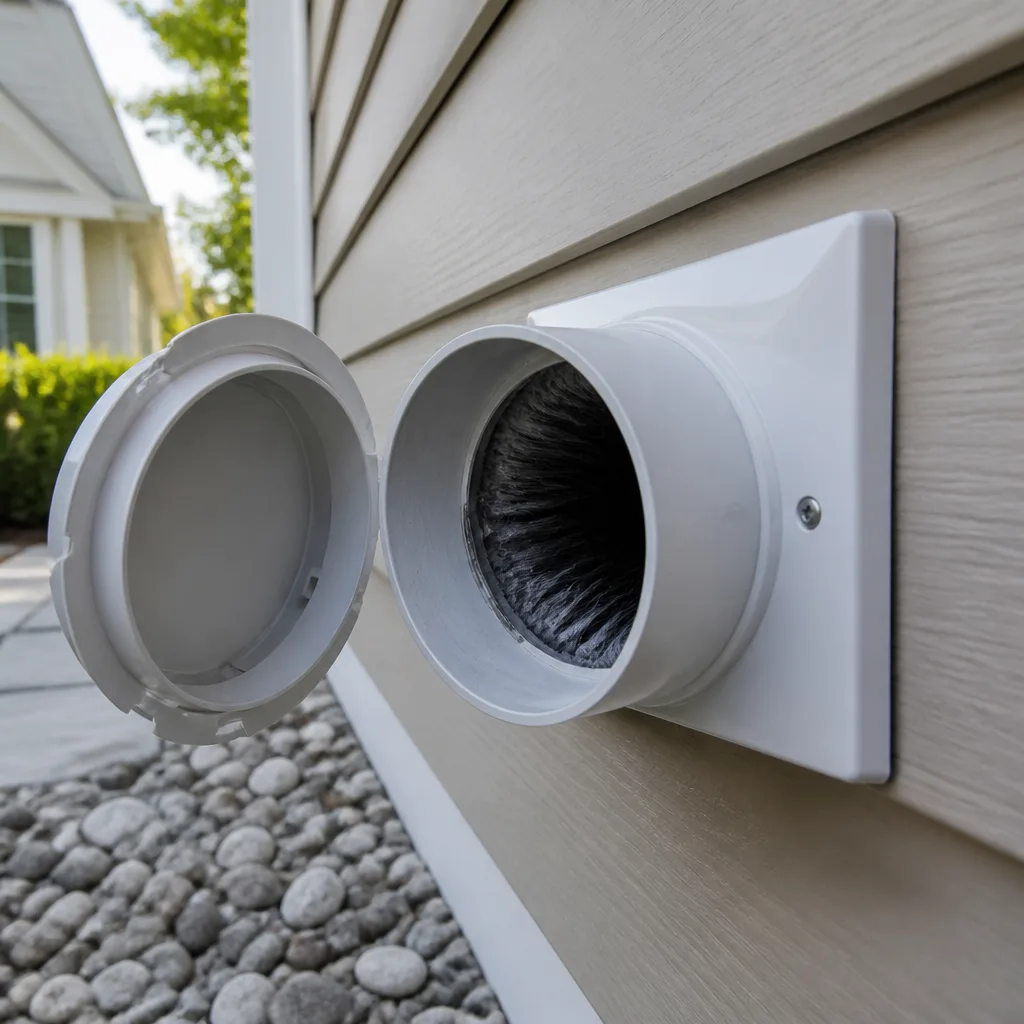 Dryer vent cleaning
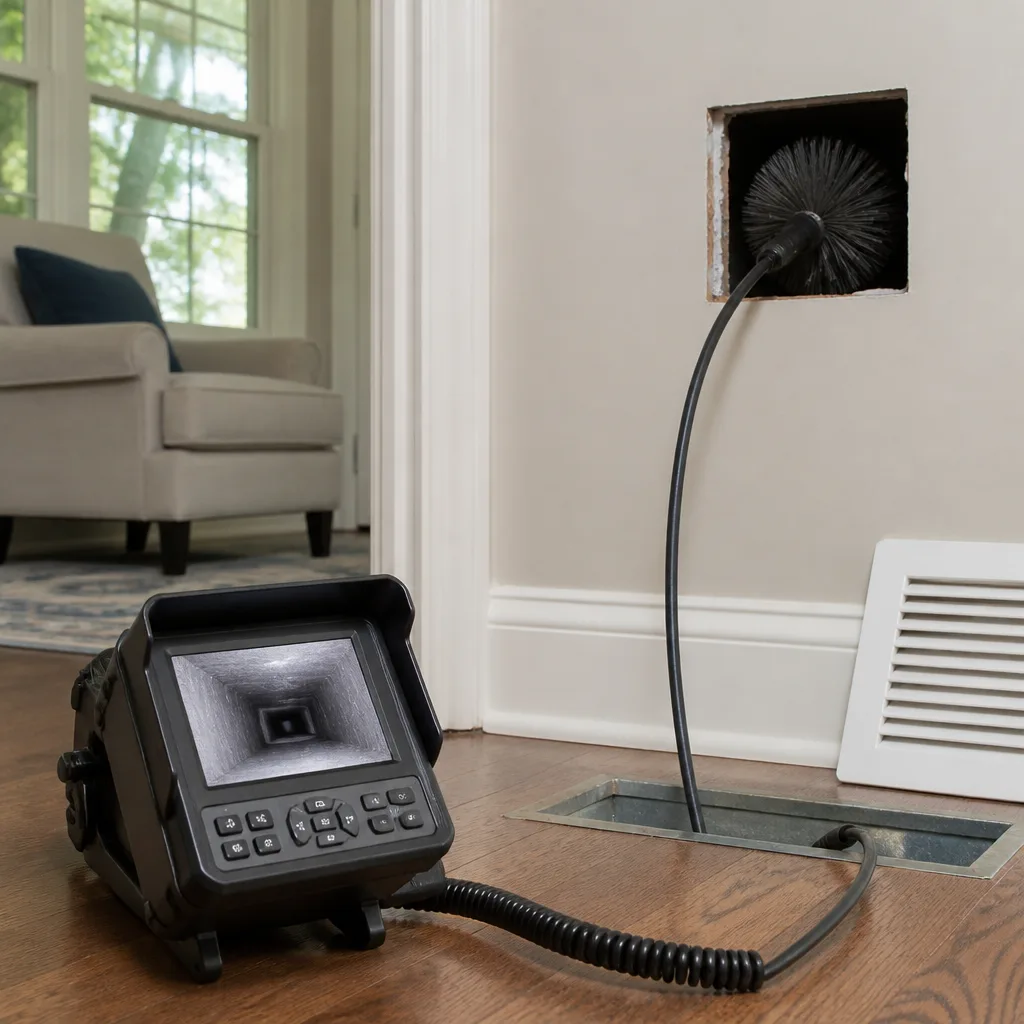 Camera inspection
 Sanitizing & deodorizing
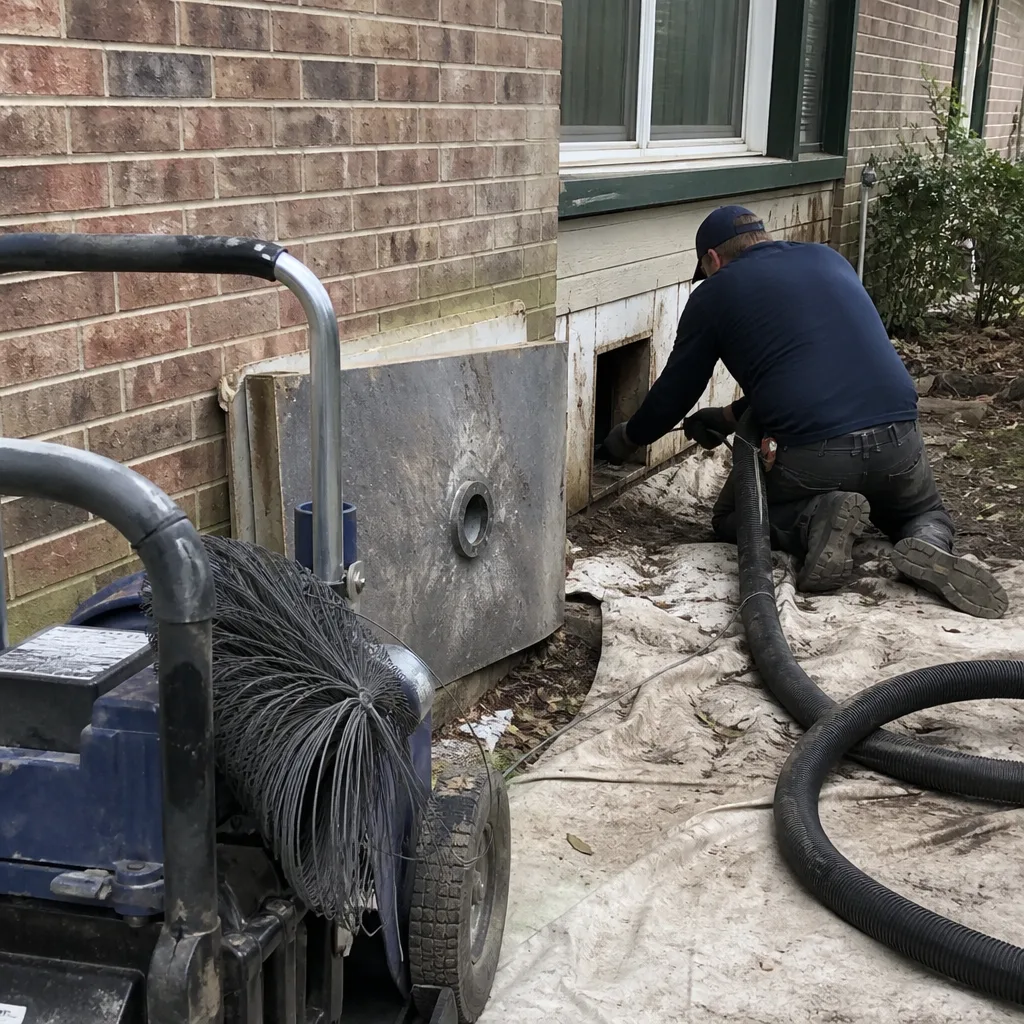
Whole-system duct and dryer vent check with before-and-after photos - you see exactly what came out of your vents
That "$99 whole-house special" is a bait ad - the real number appears once they are in your hallway, or the "clean" is a shop-vac at the register. We photograph the inside of your ducts before and after instead.
DIY vs Professional Air Duct Cleaning: The The Heights Homeowner’s Decision Guide
Running a consumer shop-vac into a supply register doesn’t clean your duct system. It creates a low-pressure zone that draws loosened debris deeper into the trunk line, away from where you’re working. The dust you can’t see ends up on the wrong side of the house. That’s the part most DIY advice skips. This guide explains what actually happens inside a duct system when you clean it, which jobs a homeowner can handle safely, and which ones need equipment that reaches a negative-pressure differential a $400 kit can’t produce. We’ll also show you how to get the most out of a professional visit if you go that route. If you’ve been staring at your registers in The Heights wondering whether to tackle this yourself, this is the guide for you.
Quick Answer
DIY air duct cleaning only works for surface-level maintenance: cleaning register covers, swapping filters, and inspecting flex joints with a phone camera. Real duct cleaning requires a negative-pressure machine that pulls 1,500 to 4,000 CFM through the system while an agitation tool breaks debris loose from the duct walls. Without that pressure differential, you push dislodged dust into the trunk line instead of out of the house. In older The Heights homes with flex duct or friable liner, a DIY attempt can turn a small problem into a health risk. That’s the practical line between “do it yourself” and “call someone.”
Styles & brands we work with
- Whole-home duct cleaning
- Dryer vent cleaning
- Camera inspection
- Sanitizing & deodorizing
Table of Contents
- The Physics of Source-Removal Cleaning: Why Pressure Beats Technique
- What Homeowners Can Legitimately Do Themselves
- The Equipment Gap: What a Truck-Mounted Machine Does That a Shop-Vac Can’t
- Why Older The Heights Homes Raise the Stakes
- How a DIY Attempt Can Make Things Worse: Four Scenarios
- How to Prepare for a Professional Visit and What to Ask During the Job
- What Professional Air Duct Cleaning Costs in The Heights
- Common Mistakes to Avoid
The Physics of Source-Removal Cleaning: Why Pressure Beats Technique
Air duct cleaning works by removing debris at its source, not by scrubbing the inside of a duct like a chimney sweep scrubs a flue. The functional requirement is air volume under controlled pressure. A professional system pulls between 1,500 and 4,000 cubic feet per minute through the ductwork while a rotary brush or air whip agitates the walls. That combination puts the entire duct run under negative pressure relative to the room, so every particle knocked loose gets carried back to the collection unit rather than settling into the trunk line.
Without that pressure differential, the physics work against you. Debris loosened near a register has nowhere to go but deeper into the system. It collects in horizontal runs, in the plenum above the air handler, and in the elbows where the duct changes direction. Those are precisely the locations where mold and dust accumulation cause the musty odors most The Heights homeowners are trying to eliminate.
This is why a shop-vac with a register attachment can’t do the job, no matter how long you run it. The vacuum’s airflow is measured in tens of CFM at the nozzle, and the moment you break suction to move to the next register, everything you loosened resettles. It’s not a matter of patience or technique. The machine simply cannot sustain the pressure differential that source removal requires.
What counts in The Heights:
- Volume under pressure – the machine must move 1,500 to 4,000 CFM continuously, not in short bursts
- Containment – professional jobs use air-containment equipment to prevent cross-contamination between the work area and the living space
- Agitation matched to the duct type – flex duct, sheet metal, and duct board each need different tools
- Continuous extraction – the collection unit stays running while the technician moves through the system, not just at the start and end
If you want the full picture of what professional ducts cleaning looks like when the equipment is right, our air duct cleaning page covers the process step by step.
What Homeowners Can Legitimately Do Themselves
There’s real value in homeowner maintenance, and we’d rather you do these things than skip them entirely. What you can safely handle involves the parts of the system you can see, reach, and read without opening the ductwork itself.
Clean your register covers. Pop each supply and return grille off its frame and wash it in the sink with dish soap. Dust cakes onto register louvers faster than it does on any other part of the system, and every breath of air that passes through the register brushes that cake. A monthly rinse takes five minutes and removes a visible layer of buildup that would otherwise re-enter the room.
Upgrade and change filters on schedule. A filter with a higher MERV rating captures more particulate, but only if the system can handle the added resistance. Check your air handler’s manual for the maximum rating it supports. Change the filter when it looks grey and matted, not on a rigid calendar – The Heights homes near busy streets and mature trees load filters faster than homes on quieter blocks.
Inspect visually with a phone camera. Remove a register cover, aim your phone’s camera down into the run, and take a photo with the flash on. You’ll see the top and sides of the duct interior, which tells you whether you’re looking at light surface dust or heavy accumulation. This is also the safest way to spot a disconnected flex joint without pulling on the duct.
Keep your dryer vent clear. Remove the lint trap after every load, and check the exterior vent flap periodically to confirm air is moving. Dryer vent maintenance is separate from duct cleaning but matters just as much for safety. Our dryer vent cleaning page covers what a full vent service includes.
Seal accessible gaps. If you can see daylight around a register boot or feel air escaping where duct meets drywall, a bead of mastic or foil tape closes the gap. Don’t seal anything inside the duct itself, and don’t tape over flex duct joints that were installed with a specific collar.
These tasks extend the time between professional cleanings and help you spot problems early. What they don’t do is remove the debris that’s already settled into the trunk line or the plenum.
The Equipment Gap: What a Truck-Mounted Machine Does That a Shop-Vac Can’t
A truck-mounted negative-air machine, or a professional portable system like a Rotobrush or Nikro unit, does three things at once that a consumer setup cannot. It generates sustained airflow in the thousands of CFM. It filters that airflow through HEPA media before returning air to the room. And it maintains the pressure differential for the entire length of the job, so debris stays suspended until it reaches the collection point.
Here’s what that looks like in practice:
- The technician connects a negative-pressure hose to the main trunk or plenum. This puts the whole system, from the farthest register to the air handler, under suction.
- Air-containment equipment goes up around the work area. Abatement Technologies containment keeps dust from migrating into the living space when a duct is opened for repair or when the plenum is accessed.
- The technician works through the system in sequence, using rotary brushes and air whips sized to each duct run. The agitation knocks debris loose; the negative pressure carries it out.
- The collection unit captures everything, and the technician verifies the result with a visual inspection or a camera inside the duct.
The tools matter as much as the machine. A $400 duct cleaning kit from a home improvement store includes a flexible brush and a shop-vac adapter. It doesn’t include a rotary brush head that cleans the full circumference of a duct, an air whip that reaches around elbows, or a HEPA collection system. Our own technicians work with professional-grade Rotobrush and Nikro systems for exactly this reason, and we carry Abatement Technologies equipment for jobs that need containment. Those are the tools that make source removal possible, not a matter of working harder or longer with the wrong setup.
There’s a second gap that’s less obvious: judgment. A professional visit includes a duct inspection, which is where you find the disconnected flex joints, crushed runs, and damaged liner that cause most indoor-air complaints in the first place. You can’t diagnose a collapsed flex duct with a shop-vac. You can with a camera and the experience to read what you’re seeing. Our Air Duct Cleaning The Heights overview covers the full range of what a professional visit includes.
Why Older The Heights Homes Raise the Stakes
The Heights has a housing stock that ranges from early 1900s bungalows to newer builds, and the duct systems reflect that range. Older homes in The Heights frequently carry a mix of original sheet metal and retrofit flex duct, often installed during a renovation that added central air to a house built without it. That mixed-system environment is where DIY attempts go wrong.
Disconnected flex joints are the most common failure point. Flex duct connects to a register boot or a trunk collar with a zip tie and mastic. Over time, the tie loosens and the joint separates. If you run a shop-vac into that register and pull debris toward the gap, you can push it into the wall cavity or the attic rather than out of the house. That’s a mess a professional has to undo before the actual cleaning can start.
Friable duct liner is a real health consideration. Some older duct board and internally lined metal ducts have a liner that degrades with age. When the liner surface becomes friable, agitation can break it apart and send fibers into the airstream. A professional technician recognizes the condition and adjusts technique or recommends relining. A homeowner with a brush attachment won’t know the liner is failing until it’s already shedding into the supply air.
The Heights’ humid summers compound the problem. Our climate keeps relative humidity high through much of the year, and humid air against accumulated dust is what feeds microbial growth inside a duct. A musty smell that appears in spring and lingers is often a sign that the system needs a full clean and, in some cases, a sanitizing treatment. You can’t sanitize what you haven’t fully cleaned, and you can’t fully clean what you can’t reach.
Older return-air chases run through finished spaces. Many homes in The Heights run return air through a panned joist bay or a chase built into the wall. A DIY attempt that disturbs those runs can open a pathway between the duct and the living space, and that’s a problem you won’t notice until the next dust storm inside the house. If you want a professional inspection to confirm whether your system has this configuration, our air duct cleaning team in The Heights can check it during a free estimate.
None of this means every home in The Heights needs emergency service. It means the risk profile of a DIY attempt is higher here than in newer construction, and the margin for error is smaller.
How a DIY Attempt Can Make Things Worse: Four Scenarios
These are the patterns we look for when a homeowner calls after a failed DIY cleaning. Each one is avoidable if you know what to check before you start.
Scenario one: pushed debris in a disconnected flex run. The homeowner removes a register, inserts a shop-vac hose, and vacuums. The vacuum breaks the loosened dust loose but has no sustained pressure to pull it out. It settles into the flexible section between the register boot and the trunk. The next time the system runs, that debris enters the room through every other register on the same trunk. The fix requires a professional to disconnect the run, extract the debris from the flex section, and reconnect the joint correctly. The original problem was small. The result is a full cleaning plus a repair.
Scenario two: damaged duct liner. A stiff brush on a consumer cleaning kit is more aggressive than the liner inside some older duct board. Scrubbing breaks the liner surface loose, and the fibers become part of the airstream. This is a case where the homeowner can see the damage only with a camera, and by then the liner needs relining or the section needs replacement. A professional technician checks liner condition before choosing a cleaning method, which is why the diagnosis comes first.
Scenario three: a separated return chase. The return side of a duct system is under negative pressure when the air handler runs, which means it pulls air in from wherever it can. If a return chase is open to a wall cavity, the system draws air from the attic or the wall. That air carries whatever’s in the cavity. A shop-vac can’t seal a chase, and a DIY attempt that dislodges dust around a return register can accelerate the problem. Duct repair and sealing is its own service for exactly this reason, and it’s one we handle natively rather than subcontracting.
Scenario four: chemical contamination. Some homeowners use over-the-counter antimicrobial sprays inside registers, hoping to eliminate an odor. Most of those products are not rated for in-duct application, and some leave a residue that itself becomes a dust magnet. If an odor persists after a DIY spray, the system needs a proper sanitizing treatment applied by someone who can verify the product is appropriate for the duct material.
In each of these scenarios, the safest approach is to stop, call for an inspection, and let the diagnosis drive the decision. The cost of a free estimate is far below the cost of correcting a DIY mistake.
How to Prepare for a Professional Visit and What to Ask During the Job
A professional visit works better when the homeowner is ready for it. The preparation takes about fifteen minutes and makes the inspection more useful.
- Note where the problems show up. Write down which registers produce the musty smell, which rooms collect dust fastest, and which rooms feel warmer or cooler than they should. This is diagnostic information, and it points the technician toward the sections that need the most attention.
- Clear access to the air handler and the main trunk. Move boxes and furniture away from the furnace closet, the attic hatch, and any place where a duct run is exposed. The technician can work around clutter, but clear access means the full run gets cleaned instead of the accessible portions.
- Confirm the filter size and location. A fresh filter goes in at the end of the cleaning, and knowing the correct size avoids a return trip. If your system has a return filter grille instead of a filter at the air handler, tell the technician before the job starts.
- Ask what equipment will be used. A technician who can name the system – Rotobrush, Nikro, a truck-mounted unit, an air-containment setup – and explain why that system fits your duct material is diagnosing, not just selling. If the answer is vague, ask again.
- Ask to see before-and-after photos or camera footage. A professional cleaning includes a visual record of the condition inside the duct. Ask for it as part of the job, not as an extra.
- Ask what the estimate covers. A written estimate should separate cleaning from sanitizing from repair, so you can see which parts of your system need each service. One flat price per system agreed before work starts is the standard we work to, and any estimate should be specific about the scope.
During the visit, the questions worth asking are about the diagnosis, not the price. Ask whether the flex joints are intact. Ask whether the liner shows any degradation. Ask whether the system has a return chase open to a cavity. If the technician recommends repair and sealing, ask what the sealant is rated for. These are the questions that separate a diagnostic visit from a rush job.
We integrate Aprilaire and Honeywell products when a homeowner wants to go further than cleaning – a whole-home filter or a humidity control system is a natural next step if the ducts are clean but the air quality still bothers you. The cleaning comes first; the air quality systems come after, once you know what you’re addressing. If you also need the air handler and coils cleaned, that’s a separate service on our HVAC cleaning page.
What Professional Air Duct Cleaning Costs in The Heights
Professional air duct cleaning in The Heights typically ranges from $350 to $700 for a standard residential system, with sanitizing and repair priced separately. The range varies with the size of the system, the number of registers, and whether the job includes repair or sealing. A written estimate sets the final price, and the estimate should be free.
Here’s a rough line-item breakdown of what a typical professional visit includes:
- Full-system cleaning – $350 to $650 for most The Heights homes, covering all supply and return runs plus the air handler connections
- Sanitizing treatment – $100 to $250 added to a cleaning, depending on system size and product
- Duct repair and sealing – priced per job after inspection, since the scope depends on what’s disconnected or crushed
- Dryer vent cleaning – $100 to $200 as a separate service, often bundled with a duct cleaning visit
- HVAC cleaning – $150 to $400, covering the air handler, coils, and blower assembly
Those ranges reflect what we see on estimates in The Heights, not a national average. The point of the table isn’t to lock in a price; it’s to show you the shape of a legitimate estimate. If a quote arrives far below these ranges, ask what it covers. A $99 duct cleaning usually means one pass through the registers with no negative-pressure machine attached, and that’s not the same job.
Why are some quotes so much cheaper? Because they’re quoting a different service. A low coupon price typically covers a surface vacuum of the visible registers, not a source-removal cleaning. It doesn’t put the system under negative pressure, it doesn’t inspect the duct interior, and it doesn’t repair the joints it finds. If the estimate doesn’t mention equipment or scope, the price you see isn’t the price you’ll pay once the technician arrives and tells you what the system actually needs.
We give one flat price per system, agreed before work starts, with no per-vent pricing. The estimate is free, and it comes with a scope you can read. If you want to know exactly what your system needs before you commit, call (855) 726-7524 and we’ll schedule an estimate.
Common Mistakes to Avoid
- Using a shop-vac on supply registers and calling it cleaning. The vacuum loosens debris without sustained pressure to remove it, which sends it deeper into the trunk. In older The Heights homes with flex duct, that’s the fastest way to move dust from one room to every room.
- Scrubbing a duct board liner with a stiff brush. Liner can go friable with age, and aggressive agitation breaks it apart. Without a visual inspection first, you won’t know the liner is failing until fibers are already in the supply air.
- Spraying store-bought antimicrobials into registers. Most are not rated for in-duct use and can leave residue. A proper sanitizing treatment is applied to duct material that’s been cleaned and inspected, not sprayed blind.
- Assuming a certificate or a photo of a clean register proves the job was done. Ask for camera footage of the duct interior, not just the register cover. A register can be spotless while the trunk line behind it is still loaded.
- Skipping the return-side inspection. Return chases in older The Heights homes often run through wall cavities or panned joists. If the chase is open, the system pulls air from the cavity, and cleaning the supply side won’t fix that.
- Cleaning without repairing what the inspection finds. A disconnected flex joint stays disconnected after the vacuum passes through. The debris comes back, and the indoor-air complaint returns with it.
- Waiting for a musty odor to become overpowering. A faint smell after the system starts up in spring is the early signal. The longer the accumulation sits against humid air, the larger the job becomes.
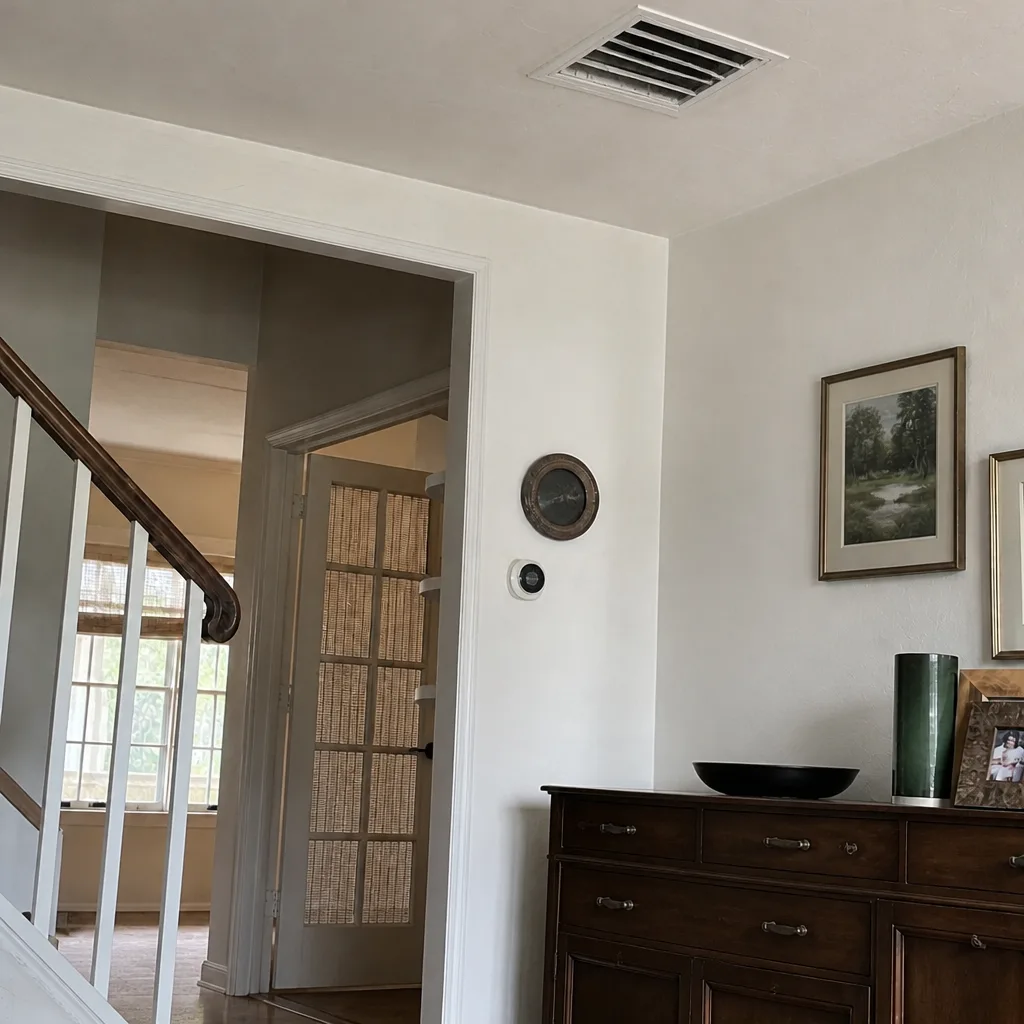
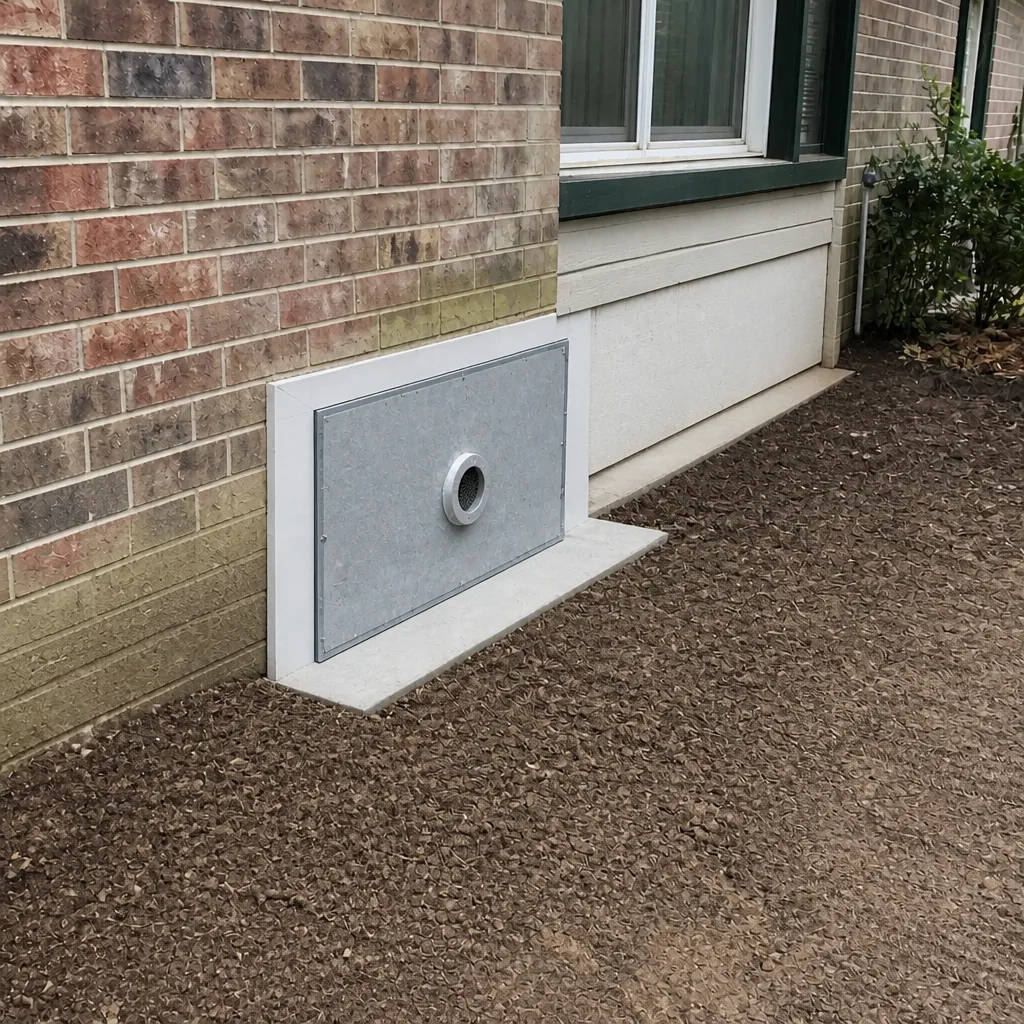
See the difference
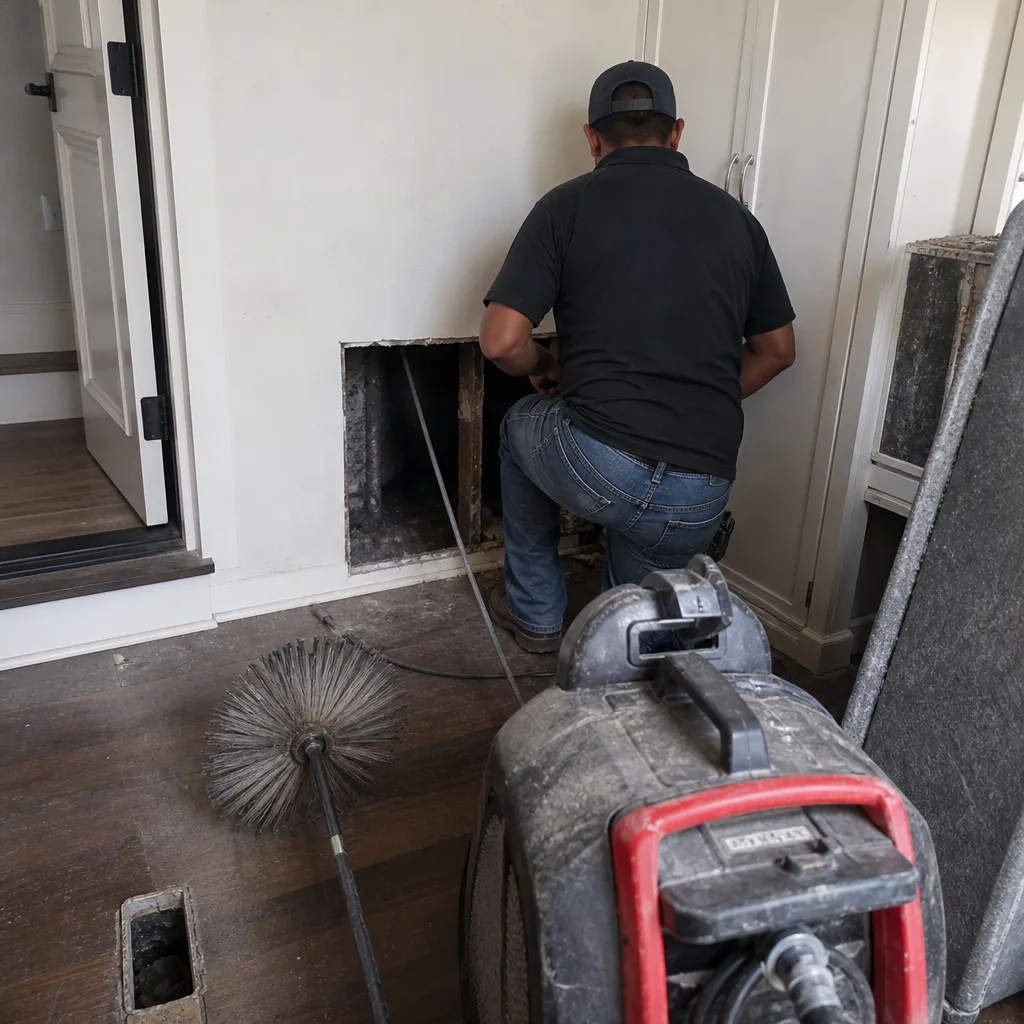 Before
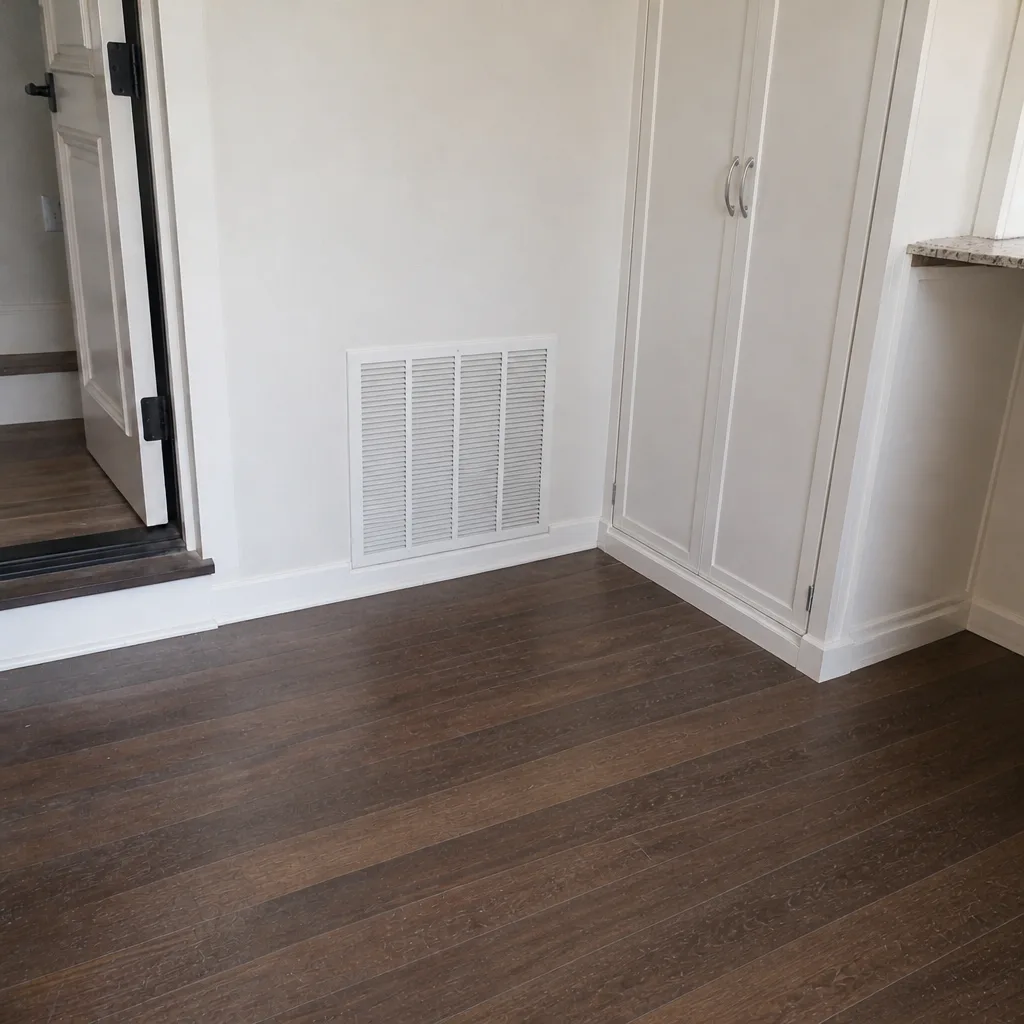 After
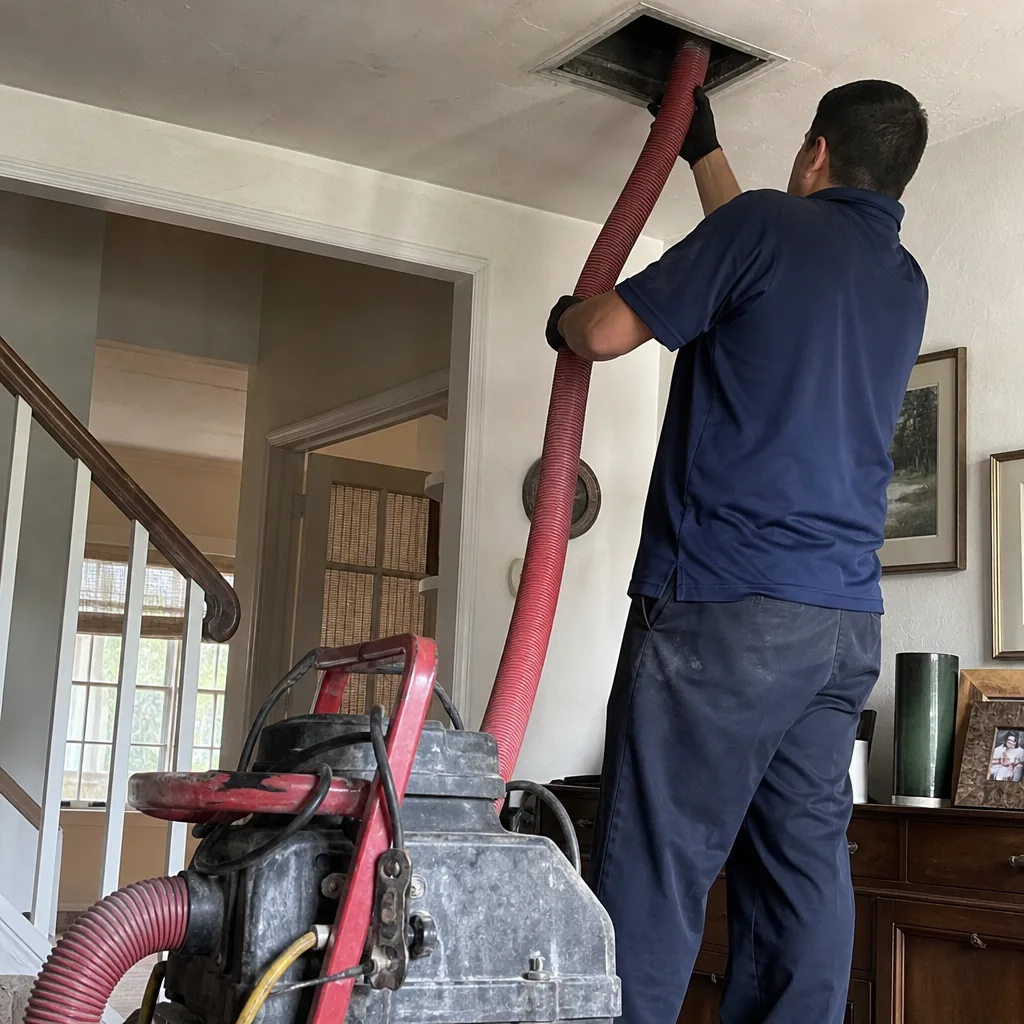 Before
 After
 Before
 After
When to Call a Professional
Some duct problems need professional equipment, and it’s worth knowing which ones before you start. If you can see visible mold inside a supply register or on the plenum, that’s a professional call – you need a full cleaning plus a sanitizing treatment, and the source of the moisture has to be found. If your system has never been cleaned in a home you’ve just moved into, an inspection will tell you whether it needs service. If you’ve noticed a musty odor that returns every time the air comes on, or if your energy bills have crept up without a change in usage, a professional diagnosis is the next step.
In older The Heights homes with mixed duct systems, the most common call we get is for a disconnected flex joint the homeowner couldn’t see from the register. Duct repair and sealing is a service we handle in the same visit as the cleaning, so the inspection, the extraction, and the fix happen together. If you’ve already tried a DIY cleaning and the problem got worse, that’s exactly the moment to stop and call for a diagnosis.
Air Duct Cleaning The Heights offers free estimates in The Heights – call (855) 726-7524. We answer 24/7. Fast dispatch from 7am to 7pm, Sunday through Friday.
Frequently Asked Questions
You can clean the register covers and change the filter, but a shop-vac can’t clean the duct system itself. The vacuum lacks the sustained pressure and airflow to pull dislodged debris out of the trunk line, so debris gets pushed deeper into the system instead of removed. That’s why professional cleaning requires a negative-pressure machine that pulls 1,500 to 4,000 CFM through the entire run. For a homeowner in The Heights with an older mixed duct system, a DIY attempt can also disturb a disconnected flex joint or a failing liner. Call (855) 726-7524 for a free estimate if you’re not sure which situation you have.
Air duct cleaning in The Heights typically costs $350 to $700 for a standard residential system, with sanitizing around $100 to $250 extra and repair priced after inspection. Those ranges depend on system size, the number of registers, and whether the job includes repair or sealing. The written estimate sets the final price, and the estimate itself should be free. Call (855) 726-7524 for an exact quote – estimates are free.
Cheap quotes usually cover a different service than what most homeowners think they’re buying. A low coupon price typically reflects a surface vacuum of the visible registers with no negative-pressure machine, no interior inspection, and no repair. A source-removal cleaning requires the machine, the containment equipment, and a technician who can diagnose the system, and that scope costs more to deliver. If a quote arrives far below the typical range, ask exactly what equipment will be connected and what the estimate covers. Call (855) 726-7524 to compare a real estimate against a coupon price.
Ask for camera footage or before-and-after photos of the duct interior, not just the register cover. A professional cleaning includes a visual record, and the technician should be able to show you the condition of the duct before and after the extraction. You can also ask what equipment will be used and confirm the machine is a professional negative-air system. If the technician can’t name the equipment or show you the interior, the job wasn’t a full cleaning. Call (855) 726-7524 and ask for an estimate that includes a scope.
Most homes don’t need duct cleaning on a fixed schedule; the need depends on what the system has accumulated. Homes with pets, recent renovations, or high dust load benefit from an inspection every three to five years. Older The Heights homes with flex duct and humid summers tend to accumulate faster, and a musty smell that returns each spring is a signal that the system should be inspected sooner. A visual inspection with a phone camera is a reasonable starting point, and a professional inspection identifies whether the system actually needs service.
Negative pressure means the machine pulls air out of the duct system faster than it can enter, so the whole run stays under suction while a technician agitates the duct walls. Professional machines move 1,500 to 4,000 CFM, which is enough to keep loosened debris suspended until it reaches the collection unit. A consumer shop-vac moves a small fraction of that airflow, and it loses suction the moment you break the seal to move to another register. Without sustained pressure, debris settles back into the system rather than leaving it. Call (855) 726-7524 for an estimate on a full-system cleaning.
Sanitizing helps when there’s a microbial or odor problem, and it only works after a full cleaning. Spraying a product into a duct that still carries settled dust doesn’t reach the debris, and most over-the-counter sprays aren’t rated for in-duct application. A professional sanitizing treatment follows the cleaning, uses an appropriate product, and targets the duct material rather than the air. If you have a musty odor in The Heights that returns every time the system runs, ask for an inspection that includes a sanitizing recommendation. Call (855) 726-7524 for a free estimate.
The Bottom Line
DIY duct maintenance covers register cleaning, filter changes, visual inspections, and dryer vent upkeep, and those are worth doing. Duct cleaning itself requires a negative-pressure machine that pulls 1,500 to 4,000 CFM, because source removal depends on pressure differential, not effort. In older The Heights homes with flex duct, friable liner, or return chases open to wall cavities, a DIY attempt can push debris deeper or damage components that a professional would have inspected first. The safe approach is to do the surface maintenance yourself, prepare for the professional visit, and ask the diagnostic questions that keep the job honest. One flat price per system, agreed before work starts, is what a legitimate estimate looks like.
If you’ve noticed musty odors, rising dust, or allergy flare-ups that track with your HVAC system, call Air Duct Cleaning The Heights at (855) 726-7524 for a free estimate. We answer 24/7. Fast dispatch from 7am to 7pm, Sunday through Friday.
Written by the team at Air Duct Cleaning The Heights.