
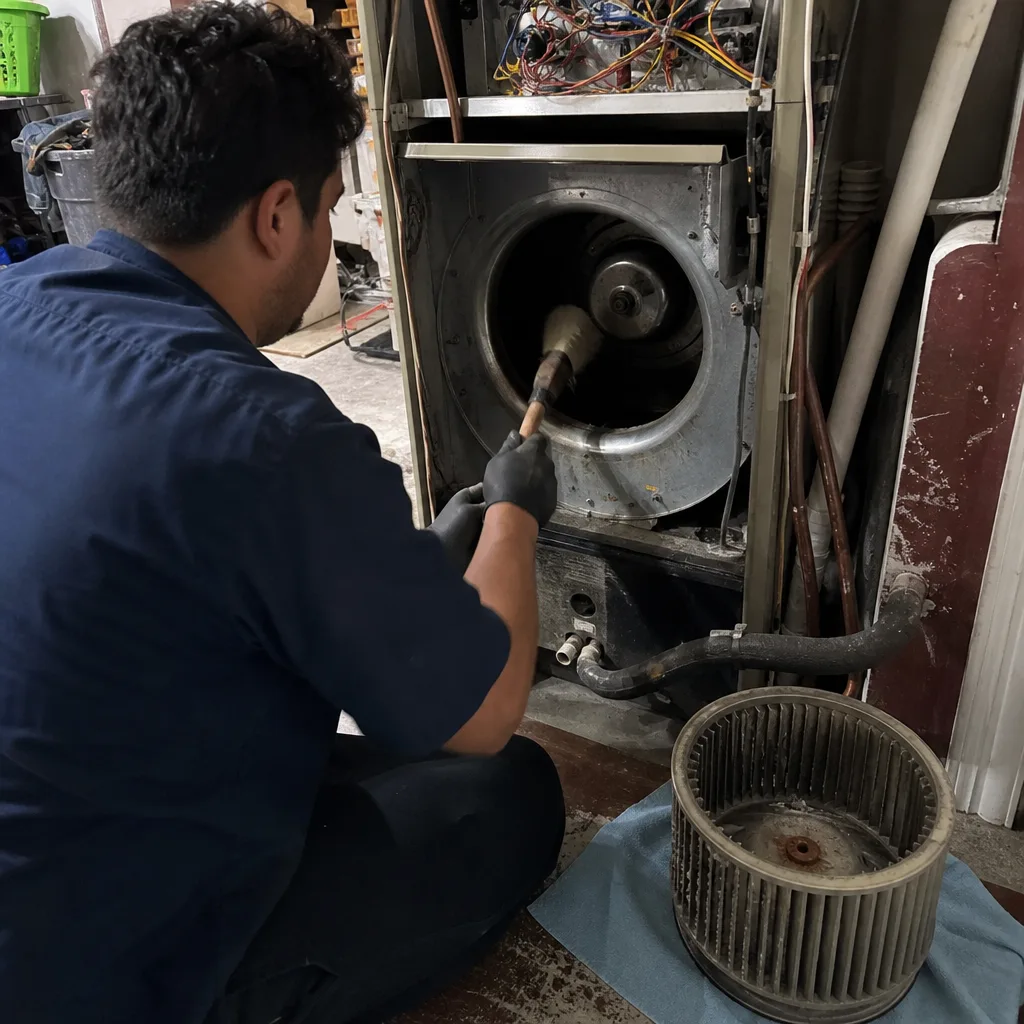
Last updated November 25, 2026
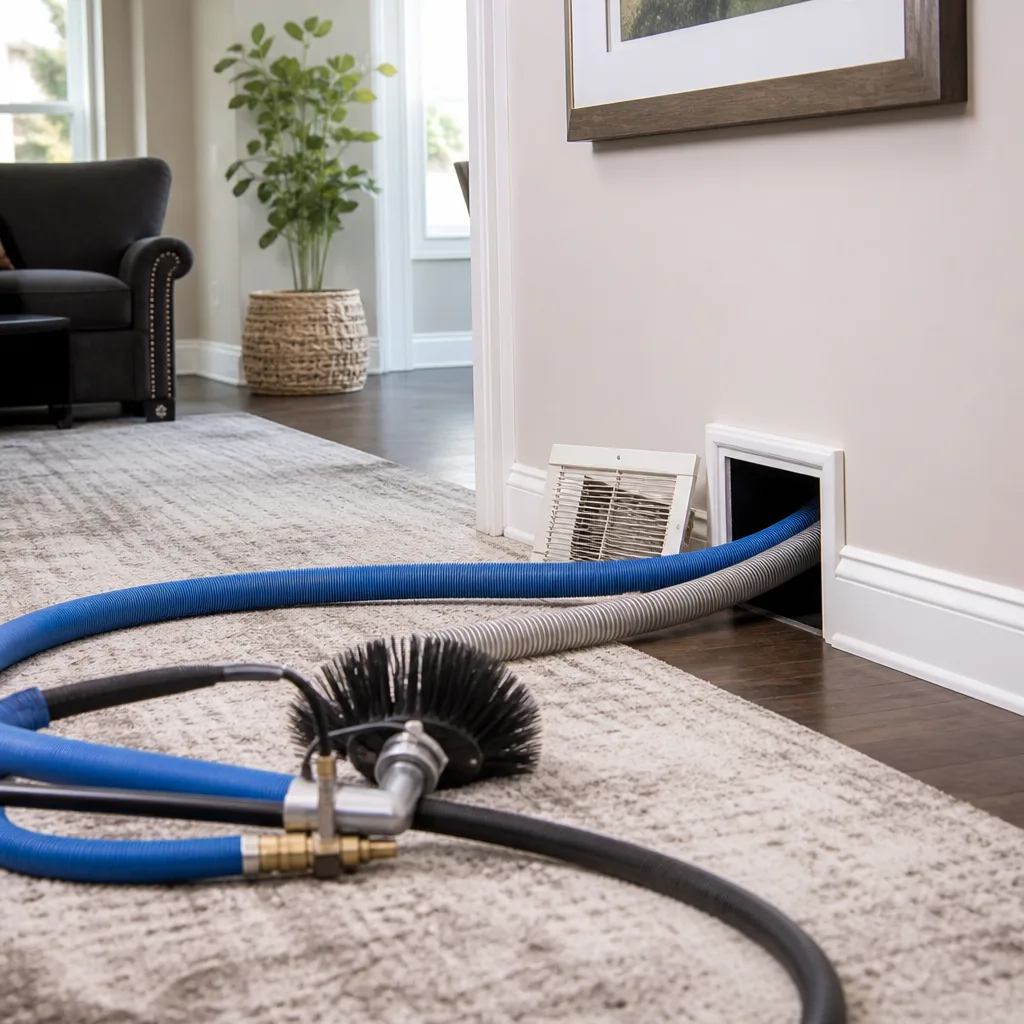 Whole-home duct cleaning
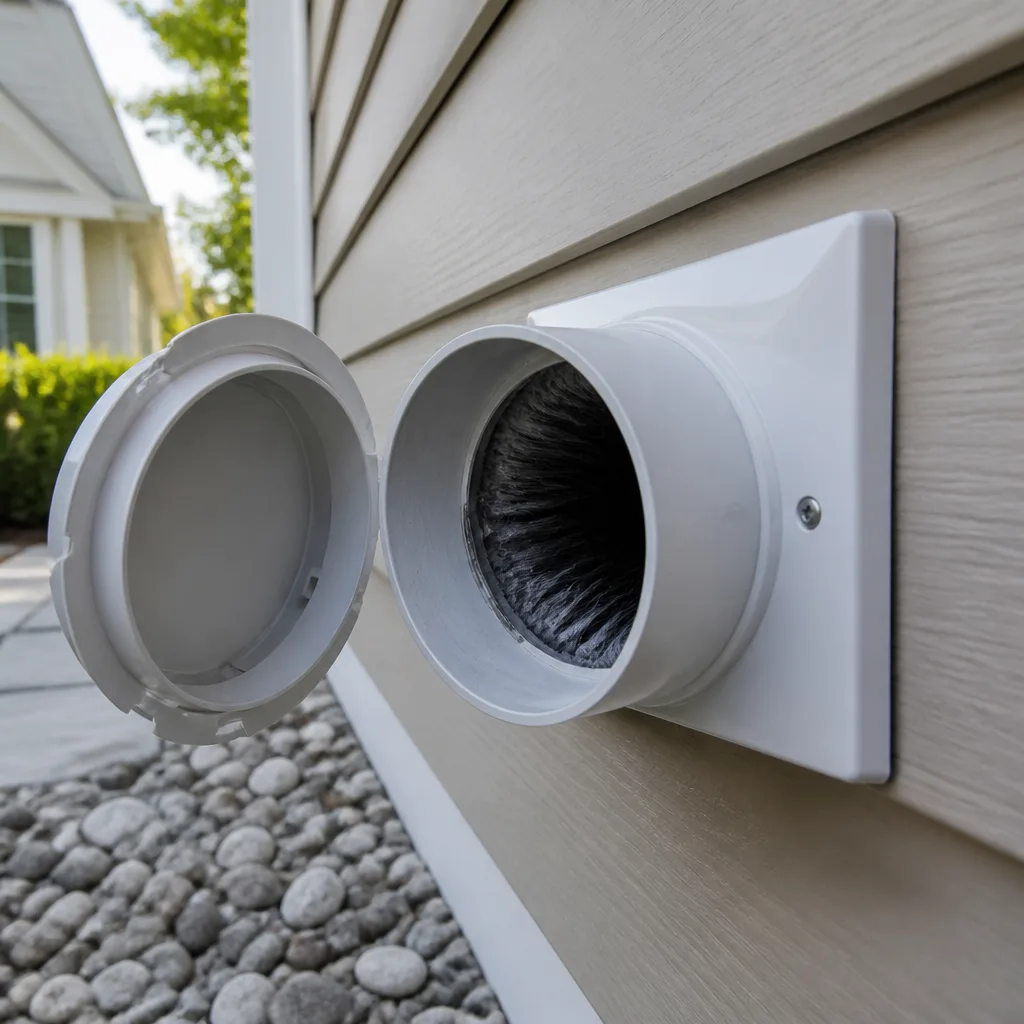 Dryer vent cleaning
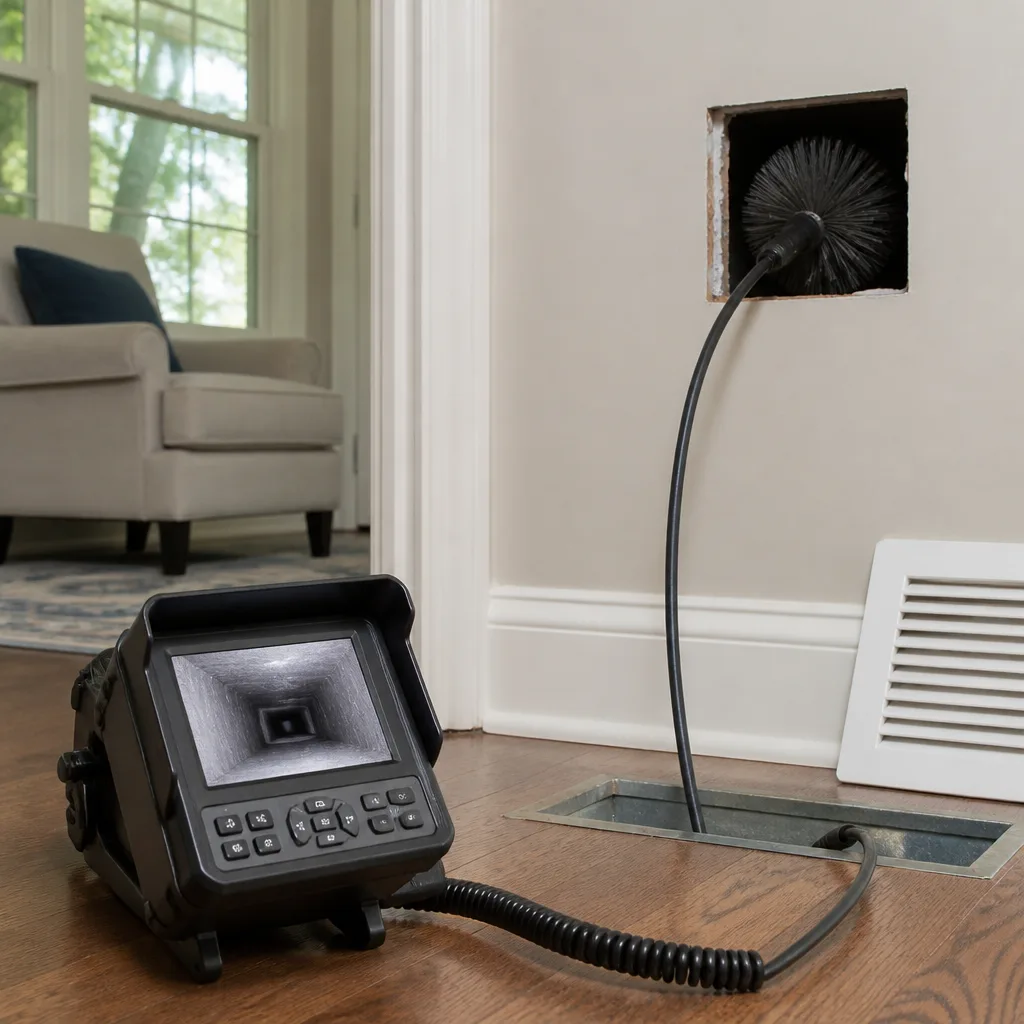 Camera inspection
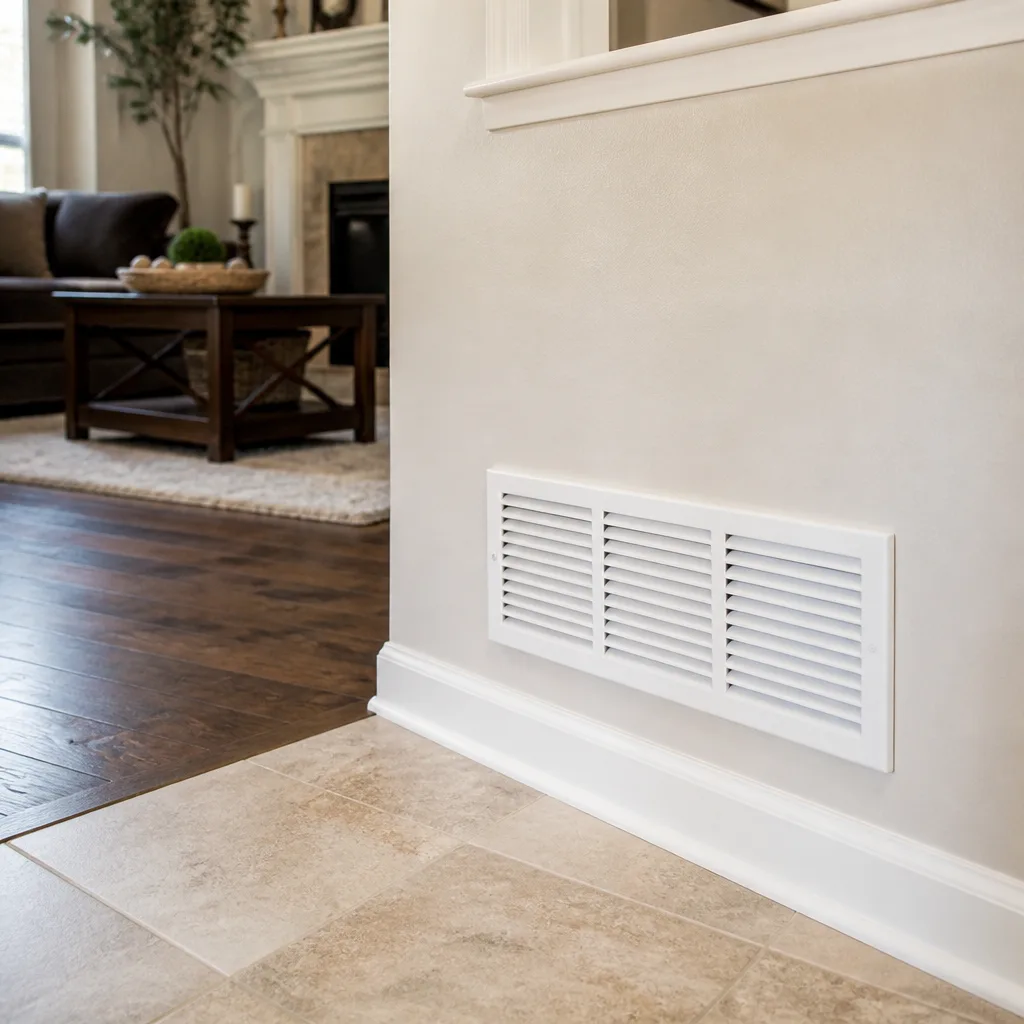 Sanitizing & deodorizing
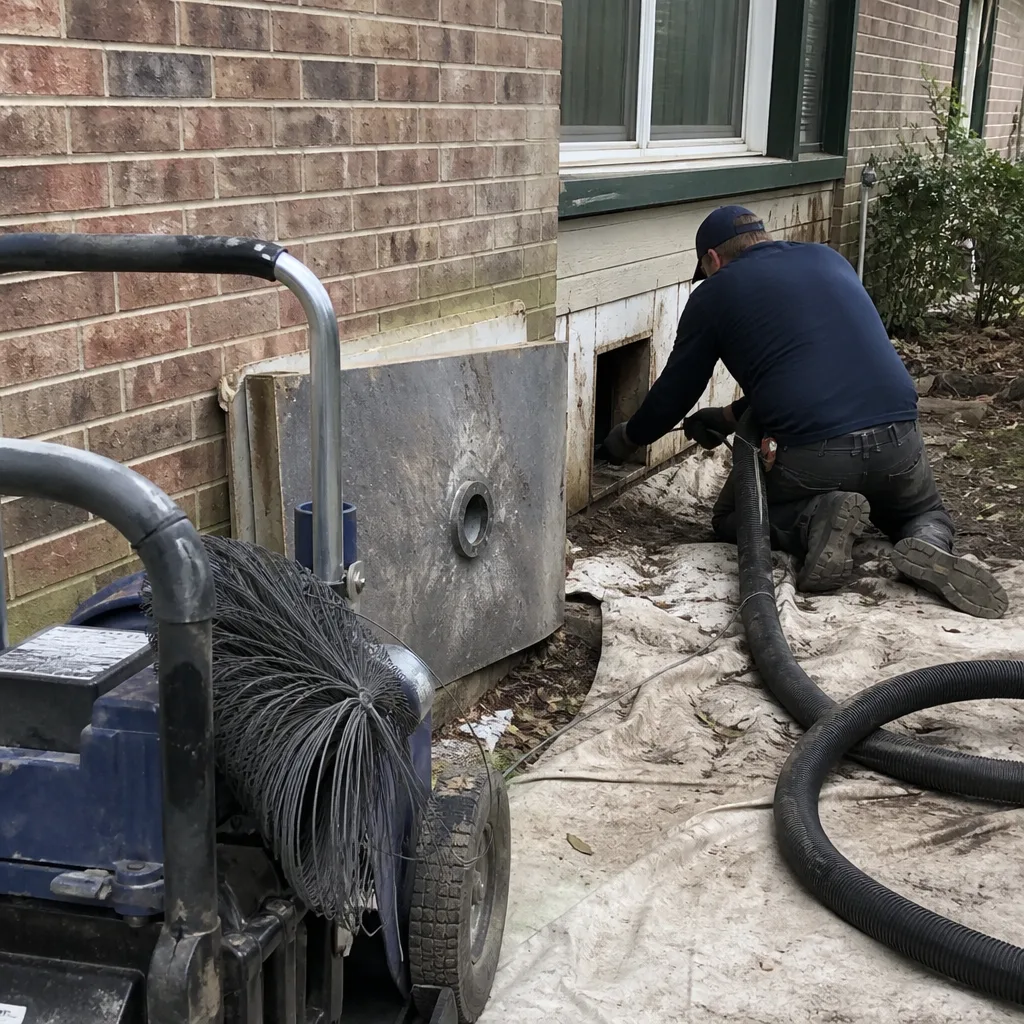
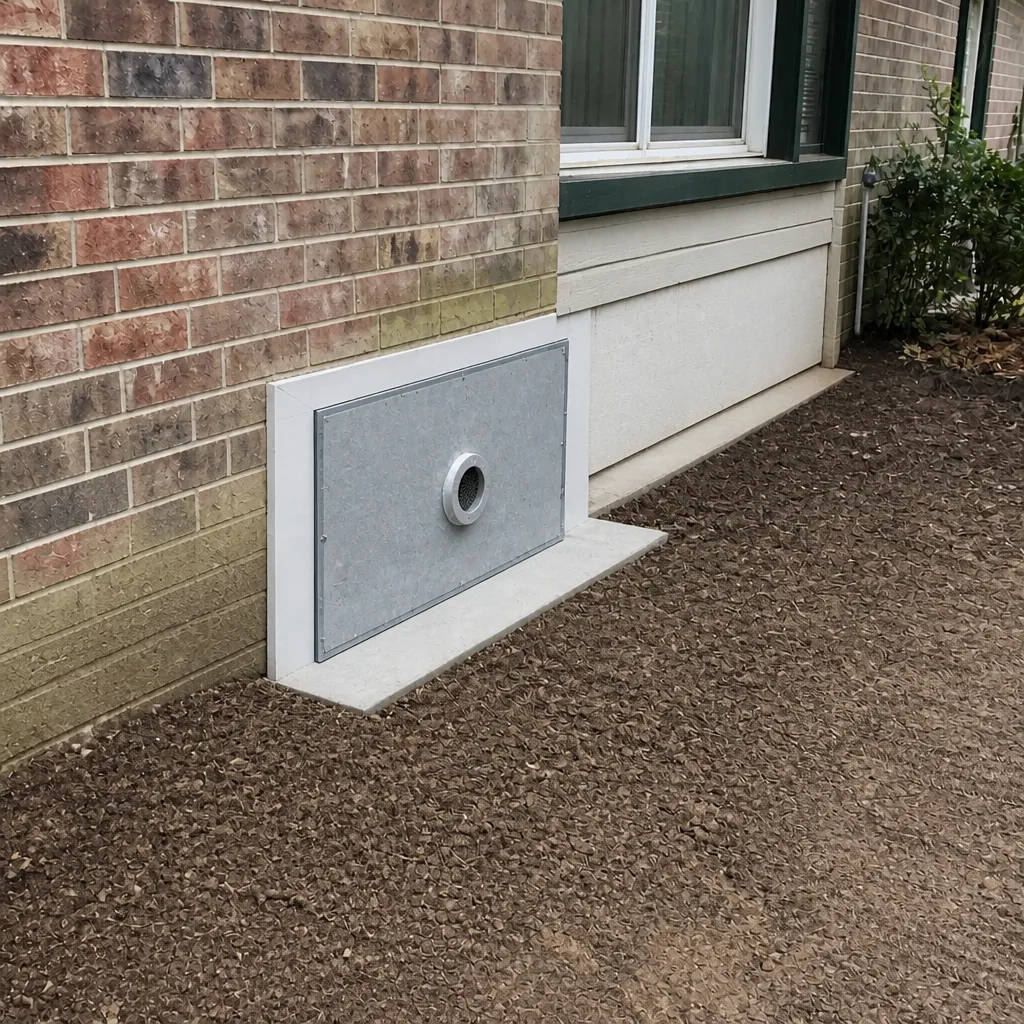
Whole-system duct and dryer vent check with before-and-after photos - you see exactly what came out of your vents
That "$99 whole-house special" is a bait ad - the real number appears once they are in your hallway, or the "clean" is a shop-vac at the register. We photograph the inside of your ducts before and after instead.
Choosing the Right Air Duct Cleaning Brand: A Buyer’s Guide for The Heights
Two companies can both advertise “professional-grade duct cleaning.” One shows up with a truck-mounted Rotobrush system and a commercial negative-air machine pulling thousands of cubic feet per minute; the other brings a portable unit that fits in the back of a hatchback. The marketing copy on their websites looks almost identical. The results in your ducts will not be. That’s the core problem with how most people shop for this service: brand recognition and star counts get weighed heavily, while the actual equipment and protocols inside the truck get ignored. This guide is written from The Heights, by people who work on The Heights’ housing stock, and it teaches you to evaluate operators by what they deploy rather than what they claim.
Styles & brands we work with
- Whole-home duct cleaning
- Dryer vent cleaning
- Camera inspection
- Sanitizing & deodorizing
Quick Answer
The best air duct cleaning company in The Heights, Houston is the one that can show you, before the job starts, exactly what equipment is being deployed, what protocols govern the visit, and what happens if the inspection turns up damaged or leaking ducts. Equipment tier matters more than brand name. A company running Rotobrush or Nikro systems with Abatement Technologies containment equipment operates on a different level than a crew with a portable vacuum and a brush, and the way to tell the difference is to ask direct questions and listen for specific, technical answers.
Table of Contents
- The Equipment Tiers in Duct Cleaning (and What Each Can Actually Do)
- How to Read a Company’s Website for Real Equipment Signals
- Why Scope of Services Is a Proxy for Technical Depth
- Local Operator Knowledge: The Heights Housing and Humidity
- The Five Questions That Separate Specialists from Cleaning Crews
- What Good Protocols Look Like on the Day of the Job
- How to Approach Price Without Getting Burned
- Common Mistakes to Avoid
- When to Call a Professional
- Frequently Asked Questions
- The Bottom Line
The Equipment Tiers in Duct Cleaning (and What Each Can Actually Do)
Duct cleaning equipment falls into roughly three tiers, and the tier a company operates in determines what it can and can’t accomplish in a residential system. The differences are not cosmetic.
Tier 1: Portable Units
These are the rigs that fit in a duffel bag or the trunk of a car. They typically generate modest suction, rely on flexible whips and brushes, and are best suited to very short runs in small systems. On a standard residential trunk-and-branch layout, a portable unit often cannot maintain enough negative pressure to pull debris out of the full run. What it can do: knock loose surface dust near the registers. What it usually can’t do: move the material that has settled or adhered deeper in the trunk line.
Tier 2: Portable Professional Systems
This is where the Rotobrush and Nikro class of equipment lives. These are purpose-built duct cleaning systems designed for residential and light-commercial work. They combine rotary brush agitation with high-volume vacuum and HEPA filtration. A Rotobrush system, for example, is built specifically to drive a brush through ductwork while capturing what it dislodges. Nikro units provide comparable capability on the vacuum and filtration side. This is the tier most serious residential duct cleaners operate in, and it is a genuinely different class of work than Tier 1.
Tier 3: Truck-Mounted and Negative-Air Systems
At the top are truck-mounted vacuum rigs and standalone negative-air machines, often paired with containment equipment like the Abatement Technologies systems used in professional remediation work. These setups allow a technician to put the entire duct system under continuous negative pressure, which means dislodged debris has one path: into the capture unit, not into your living space. When a truck-mounted system is combined with proper containment, it represents the most controlled version of the job.
What matters is not which tier exists. It is that the company tells you clearly which tier it operates in, and that the claim matches the equipment. A company that says “truck-mounted” should be able to describe the machine. A company that runs Rotobrush should say so by name, because it’s a specific, verifiable tool.
How to Read a Company’s Website for Real Equipment Signals
Most duct cleaning websites use the same handful of phrases: “state-of-the-art equipment,” “trained technicians,” “thorough cleaning.” None of these tell you anything, because every operator uses them, including the ones running a portable unit out of the back of a car. The real signals are specific.
What Good Equipment Marketing Looks Like
- Brand names appear by model or system: Rotobrush, Nikro, Abatement Technologies, and comparable professional lines.
- The company describes the type of system, not just that it has one: “truck-mounted vacuum,” “HEPA filtration,” “negative-air containment.”
- Photos show the actual equipment, ideally in use, not stock photography from a manufacturer’s catalog.
- The process is described step by step, including what happens before and after the cleaning.
- The company mentions repair and sealing alongside cleaning, because that’s an equipment-and-skill combination that cleaning-only operators typically avoid.
What Weak Equipment Marketing Looks Like
- Every claim is a superlative with no tool behind it: “the most powerful equipment available.”
- No brand names at all, or only vague references to “commercial-grade” tools.
- Stock photos of generic duct interiors with no context.
- Emphasis entirely on price or speed, with no mention of process.
- No discussion of what happens if the ducts turn out to be damaged, disconnected, or leaking.
Before you book, ask the company directly: what equipment will be on site, and what is it capable of in a system like mine? A company operating at a serious equipment level will answer with specifics and often with pride. That’s your signal. The company that answers with “we use the best equipment” and changes the subject is telling you something too.
Why Scope of Services Is a Proxy for Technical Depth
Look at what a duct cleaning company actually does. If the service list is just “air duct cleaning,” the company is a cleaning operator. If the list includes duct repair and sealing, air quality and sanitizing, dryer vent work, and HVAC system cleaning, the company is structured differently, with different equipment, different training, and a different understanding of how the whole system fits together.
This is why the scope of services matters so much as a screening tool. A cleaning-only operator has no path to fix what it finds. If the inspection turns up a disconnected joint or a crushed run, the answer is either “that’s not our scope” or, worse, silence until the invoice. A full-system operator can diagnose, clean, sanitize, and repair in the same visit, without handing you off to another contractor.
At Air Duct Cleaning The Heights, our five core services are deliberately structured around that idea. air duct cleaning handles the removal of accumulated debris from the duct system. dryer vent cleaning addresses the separate but related risk of lint accumulation in the dryer exhaust run. HVAC cleaning goes into the air handler and the components that circulate the air. Air quality and sanitizing work addresses what’s growing or lingering inside the ducts after cleaning. And duct repair and sealing handles the structural problems that let contaminants in and conditioned air out. One provider, one visit, no subcontractors, no third appointment to fix what the first crew couldn’t.
When you shop in The Heights, use the services list the same way you’d use an equipment list. It tells you what the company can do when the job turns out to be more than a surface clean.
Local Operator Knowledge: The Heights Housing and Humidity
The Heights is not a generic subdivision, and the duct systems inside its homes are not generic either. The neighborhood’s housing stock ranges from early-20th-century bungalows and craftsman homes to mid-century ranches and newer infill construction. That history matters when you’re evaluating a duct cleaning company, because each era of construction tends to produce its own duct configurations, and each configuration calls for different equipment and different handling.
What Local Knowledge Looks Like in Practice
- Older bungalows often have retrofitted systems where the ducts were added after the fact. Runs may be shorter, routing may be tight, and joints are more likely to have shifted or disconnected. A company that knows this housing stock will check for disconnected runs as part of the inspection, not as an afterthought.
- Mid-century ranches often have attic-mounted air handlers with long trunk runs, which means a company needs enough vacuum volume to maintain pressure across the full length. Equipment tier directly affects whether the far end of the run gets cleaned.
- Newer infill construction typically has tighter, more sealed systems with flexible duct in places, which changes how brushes and whips are used. Aggressive tools in flex duct can damage the liner; the right approach depends on knowing what’s inside.
Why Humidity Matters in The Heights
Houston’s humidity is a real factor in how duct systems age and what accumulates in them. High ambient moisture inside a duct system, especially one with leaks or unsealed joints, creates conditions where biological growth can establish itself, and where dust can bind to surfaces rather than staying loose. That’s why sanitizing and sealing belong in the conversation alongside cleaning. A company that cleans without addressing the moisture pathway is cleaning a problem that will come back. Local operators who work in The Heights routinely understand this because they see the same conditions on every job.
None of this is a knock on national brands. It’s simply that familiarity with The Heights’ specific homes, duct configurations, and climate does more for your result than a familiar logo on a website.
The Five Questions That Separate Specialists from Cleaning Crews
This is the most practical part of the guide. Ask these five questions before you book any duct cleaning company in The Heights. Then compare the answers.
-
What equipment do you bring, and what brand is it?
Good answer: specific brand names and system types (“we run a Rotobrush and a Nikro system, and we use Abatement Technologies negative-air containment on applicable jobs”). Poor answer: “the best equipment available” or “professional-grade tools.” If the company can’t name what it uses, it’s operating in a tier you can’t verify.
-
Will you inspect the ducts before cleaning, and how?
Good answer: a description of the inspection process, ideally including video inspection and a walk-through of the system before any cleaning begins. Poor answer: “we’ll take a look” with no description. Inspection is the front half of the job, and a company that skips it is cleaning blind.
-
What happens if you find damaged or disconnected ducts?
Good answer: repair and sealing is part of the service, so the technician can fix structural problems in the same visit. Poor answer: “we’d refer you to someone else” or “that’s a separate service.” A cleaning-only operator has no path to fix what it finds, which means you’re paying twice.
-
How do you protect the house while you work?
Good answer: a described containment process, floor and surface protection, and equipment care standards. Poor answer: vague assurances. The best operators treat your home interior as part of the job.
-
Do you work on the HVAC system and beyond the ducts themselves?
Good answer: yes, with a description of what’s included in HVAC cleaning and how it connects to the duct work. Poor answer: “we just do the ducts.” The system is connected; cleaning one part and ignoring the rest leaves the job half-finished.
Write the answers down. Compare them side by side. The company that gives you specific, technical, unhedged answers is the company operating at a professional equipment level. The company that gives you marketing language back is not.
What Good Protocols Look Like on the Day of the Job
Equipment is only half the story. Protocols govern how the equipment is used, how the home is protected, and how the result is verified. Here’s what a professional-grade job looks like from the homeowner’s side.
- Pre-job walkthrough and inspection. Before anything is connected, the technician walks the system, confirms the layout, and notes any existing damage. This is the point where disconnected runs, crushed flex duct, or leaks get flagged.
- Containment and surface protection. Negative-air containment, floor coverings, and careful handling of equipment through the home. Guardsman-grade surface and equipment care standards are the reference point.
- System under negative pressure. The vacuum or negative-air unit is connected and running before agitation begins. Debris moves into the capture unit, not into the living space.
- Mechanical agitation. Rotary brushes and whips work the duct walls from the inside, loosening material that suction alone won’t move. This is where the equipment tier shows up in the result.
- Sanitizing. After cleaning, an air quality treatment addresses what’s left behind on the surfaces, which matters in a humid climate like Houston’s.
- Repair and sealing where needed. Leaks, disconnected joints, and damaged runs get sealed. The system goes back together tighter than it came apart.
- Post-job verification. Before-and-after photos and a final walkthrough. You see what was cleaned.
We clean it, then we seal it. That sequence is what separates a full-system job from a surface pass.
How to Approach Price Without Getting Burned
Duct cleaning has a reputation problem rooted in lead-generation pricing: a low advertised number, followed by a much larger invoice once the technician is in the door. The way to avoid that is not to chase the lowest quote. It’s to insist on one flat price per system, agreed in writing before any work starts, and to refuse per-vent pricing entirely.
Per-vent pricing is a tell. It rewards the operator for counting vents and penalizes you for having a system with more of them, while telling you nothing about the depth of work on each run. Whole-system pricing reflects the actual job: one system, one scope, one written estimate.
The other protection is photographic. Ask for before-and-after photos of your own ducts. Not stock photos, not photos from another job. Yours. A company that can show you the inside of your duct before and after the work is a company that can show you what you paid for.
Our estimates are free and the price is set per job by the written estimate. No surprises after the fact. Call (855) 726-7524 to schedule yours. We answer 24/7. Fast dispatch from 7am to 7pm, Sunday through Friday.
Common Mistakes to Avoid
- Choosing on price alone. The lowest quote almost always reflects the lowest equipment tier. In a humid climate like Houston’s, a surface clean with a portable unit often leaves the moisture-bound material and the deeper settled debris exactly where it was.
- Trusting the word “professional” without a brand attached. Every operator uses the phrase. Only some can name the equipment. Ask, and listen for Rotobrush, Nikro, or a comparable specific system.
- Skipping the inspection conversation. A company that can’t describe how it inspects the ducts before cleaning is a company that cleans blind. In The Heights’ older bungalows, undetected disconnected runs are common, and cleaning around them does nothing.
- Booking a cleaning-only operator in an older home. If your home is a pre-war bungalow, the odds of finding structural issues during inspection go up. A company that can’t repair or seal hands you back a problem you’ll pay to solve later.
- Ignoring the HVAC side. The air handler and the ducts are one system. Cleaning the ducts while leaving the air handler untouched leaves the source of much of the contamination in place.
- Accepting per-vent pricing without asking what the price includes. Per-vent pricing makes it easy to add charges once the technician is on site. One flat price per system, in writing, before work begins.
- Not asking for before-and-after photos of your own ducts. Stock photos tell you nothing about whether the work was done. Yours tell you everything.
When to Call a Professional
Duct cleaning isn’t an annual ritual and it’s not something every house needs on a schedule. It’s a diagnosis-and-fix decision, and these are the moments that call for it. If you’ve noticed musty odors when the system runs, elevated dust on surfaces within days of cleaning, allergy symptoms that flare indoors and ease outside, or a power bill climbing for no obvious reason, the system is worth inspecting. Visible debris around registers, a recent renovation that produced dust, a home with pets, or a new move-in where the duct history is unknown are all legitimate triggers. The Heights’ humidity adds another: any sign of moisture inside the ducts or around the registers should be looked at by a professional rather than ignored.
Air Duct Cleaning The Heights offers free estimates in The Heights. Call (855) 726-7524. We answer 24/7. Fast dispatch from 7am to 7pm, Sunday through Friday. Our technicians have up to 8 years of experience, and every job is priced per system by the written estimate.
Frequently Asked Questions
We price per system by the written estimate, not per vent, so the exact number depends on the layout, size, and condition of your system. The estimate is free and the written scope sets the final price. Call (855) 726-7524 for an exact quote.
Because the equipment tier and the scope of work behind the quote are different. A low quote usually reflects a portable vacuum and a surface pass, not a negative-air system and a full inspection. The company that gives you a written flat price per system with before-and-after photos is the one quoting the real job.
Ask for before-and-after photos of your own ducts, and a walkthrough at the end of the visit. The photos should show your system, not a catalogue image. If a company can’t show you your own ducts, that’s your answer.
It’s condition-based, not calendar-based. Recent renovation, a new move-in with unknown history, pets, visible debris, musty odors, or moisture concerns all justify an inspection. Most homes don’t need it on a fixed schedule. If you’re unsure about your system, call and we’ll help you reason it through.
Cleaning alone is enough only when the duct system is intact. If the inspection finds disconnected runs, crushed sections, or leaks, cleaning without sealing addresses the symptom and not the cause. Our duct repair and sealing work happens in the same visit, so a damaged system doesn’t need a second appointment with a second company.
Yes. Houston’s humidity creates conditions where dust binds to duct surfaces rather than staying loose, and where moisture inside a system can support biological growth. Sealing leaks and adding a sanitizing step to the cleaning addresses that side of the problem. If you’re seeing moisture near registers or a musty odor during cooling season, get the system inspected.
Can you handle dryer vents and HVAC cleaning in the same visit as the ducts?
Yes. Air Duct Cleaning The Heights is structured as a full-system provider, so duct cleaning, dryer vent cleaning, HVAC cleaning, air quality and sanitizing, and duct repair and sealing are all handled in-house. One call covers the whole system, without scheduling multiple specialty contractors.
Inspection and walkthrough, containment and surface protection, cleaning under negative pressure with mechanical agitation, sanitizing, repair and sealing where needed, and a final walkthrough with before-and-after photos. That sequence is what a professional-grade job involves, from start to finish.
The Bottom Line
The right duct cleaning company in The Heights isn’t the one with the biggest logo or the lowest coupon. It’s the one that can tell you exactly what equipment is coming into your home, describe the inspection process, show you what happens if the ducts turn out to be damaged, and quote one flat price per system in writing before any work begins. Equipment tier determines what’s possible. Scope of services determines what’s fixable. Protocol determines how well your home is protected while it happens. Choose on those three variables, ask the five questions, and insist on your own before-and-after photos. That’s how you get a real clean instead of a marketing slogan. If you want a straight, no-pressure conversation about your system, call (855) 726-7524 for a free estimate. We answer 24/7. Fast dispatch from 7am to 7pm, Sunday through Friday.
Written by the team at Air Duct Cleaning The Heights.
See the difference
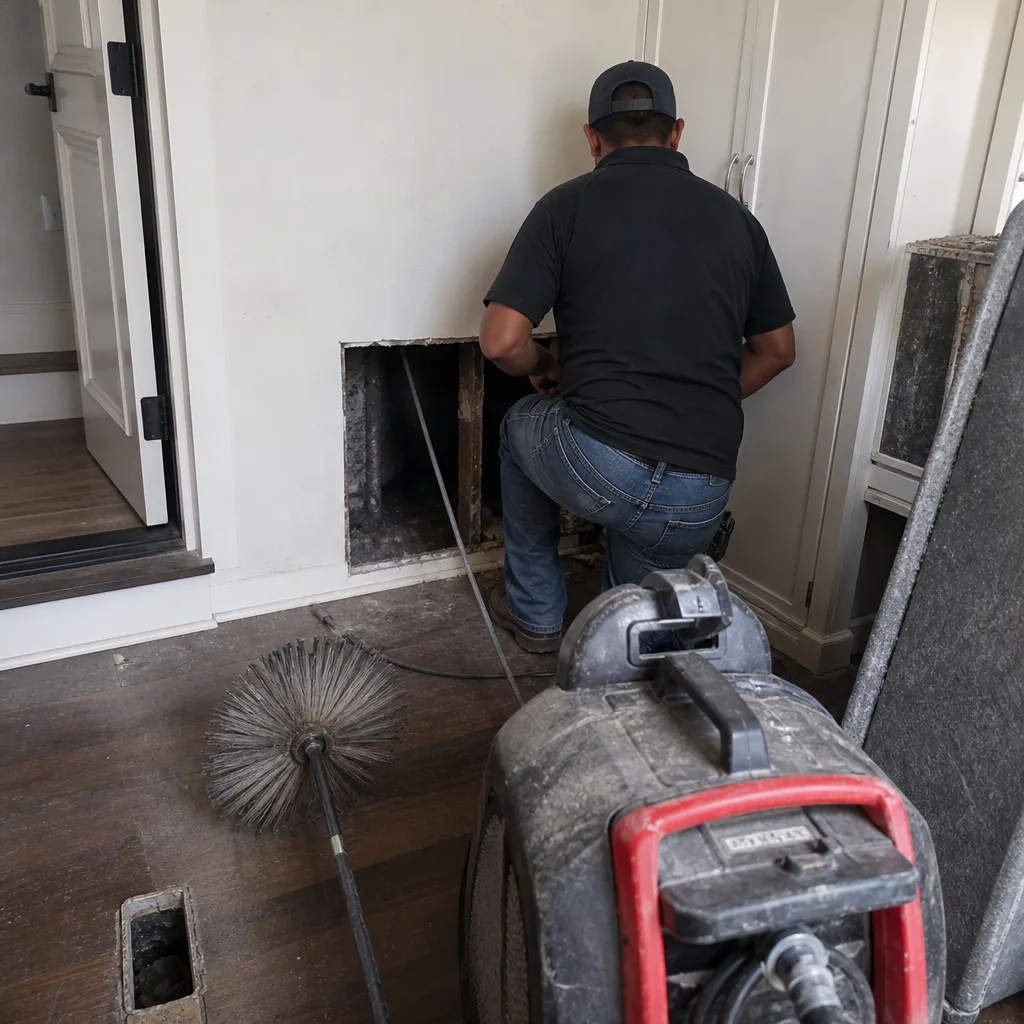 Before
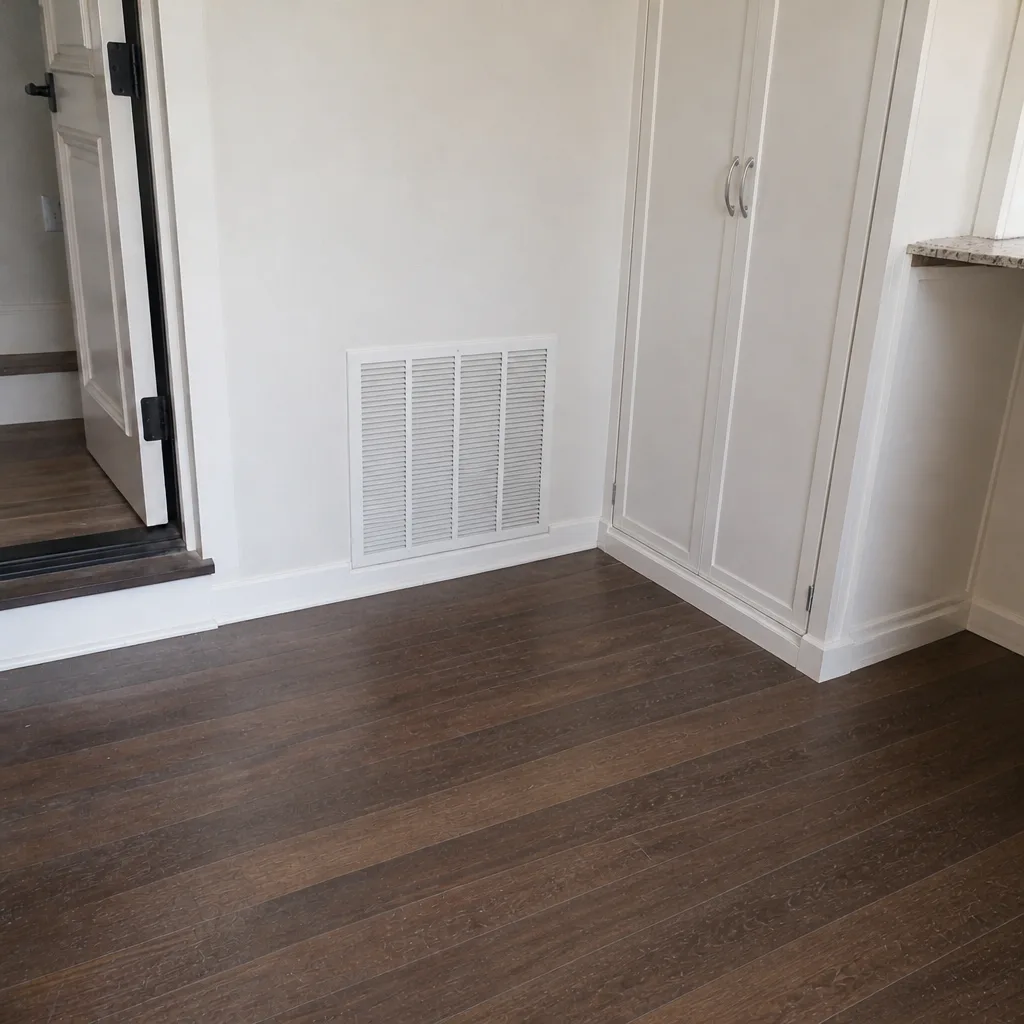 After
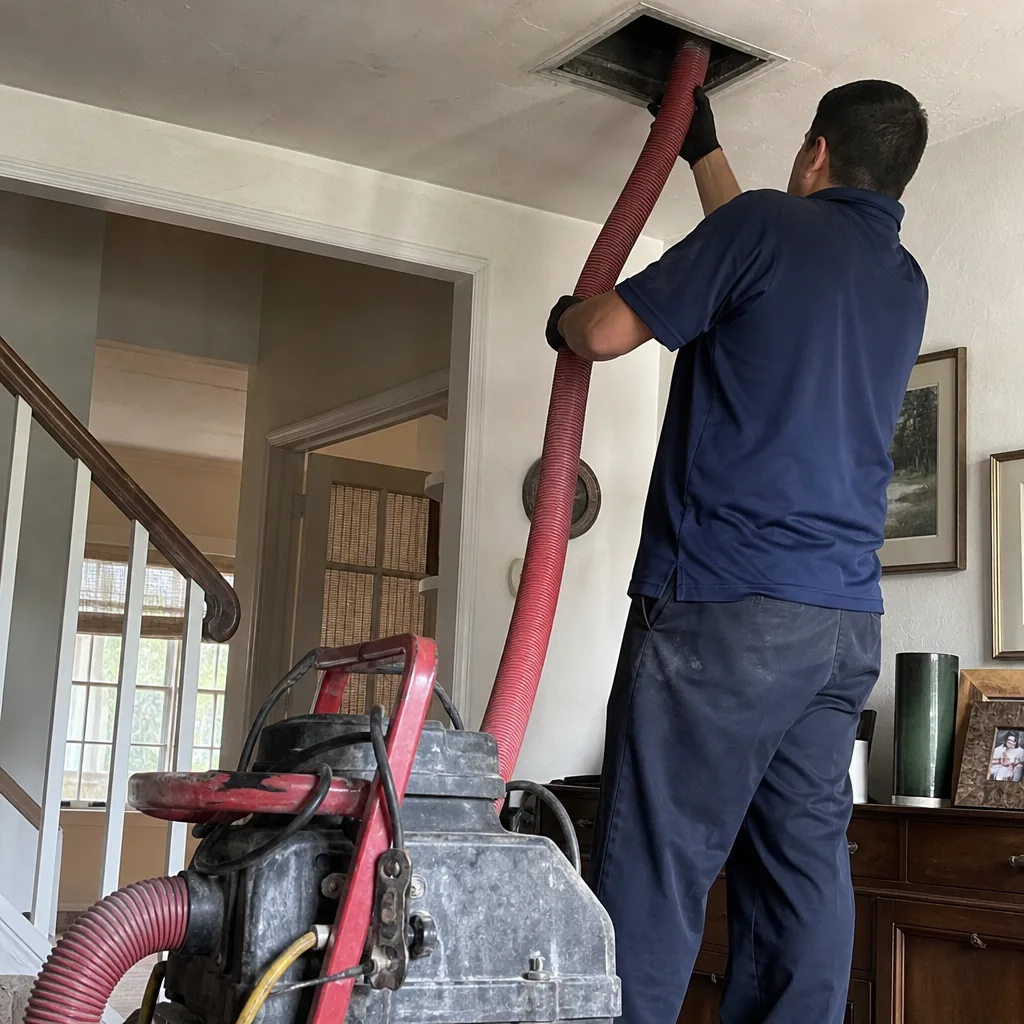 Before
 After
 Before
 After