
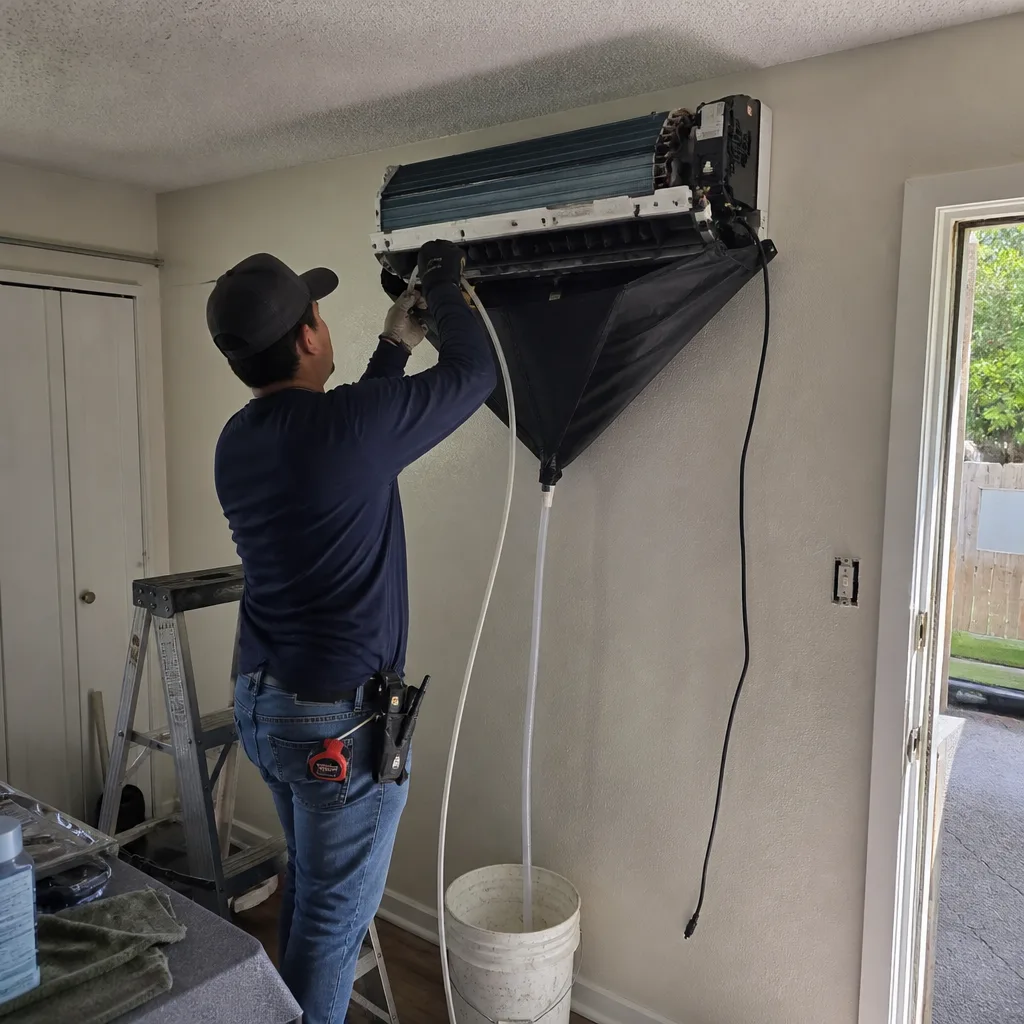
Last updated November 25, 2026
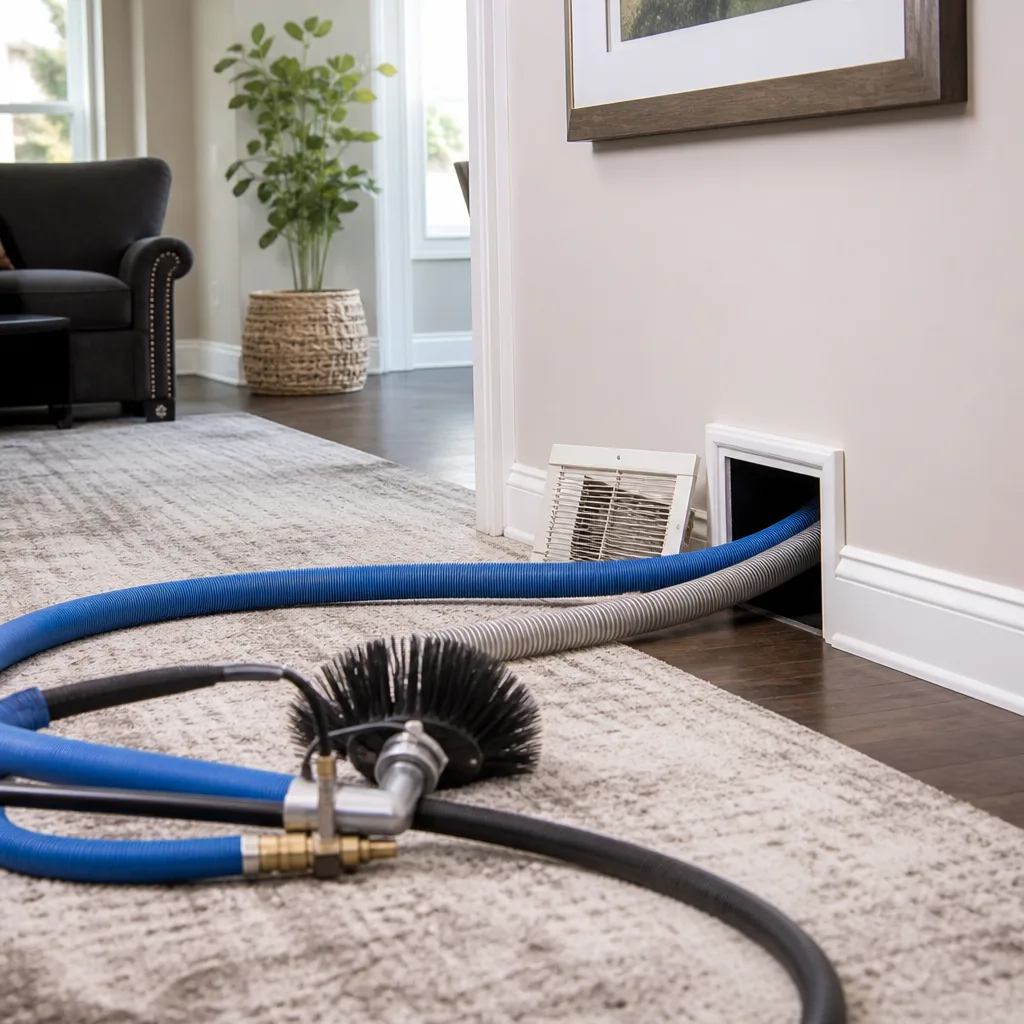 Whole-home duct cleaning
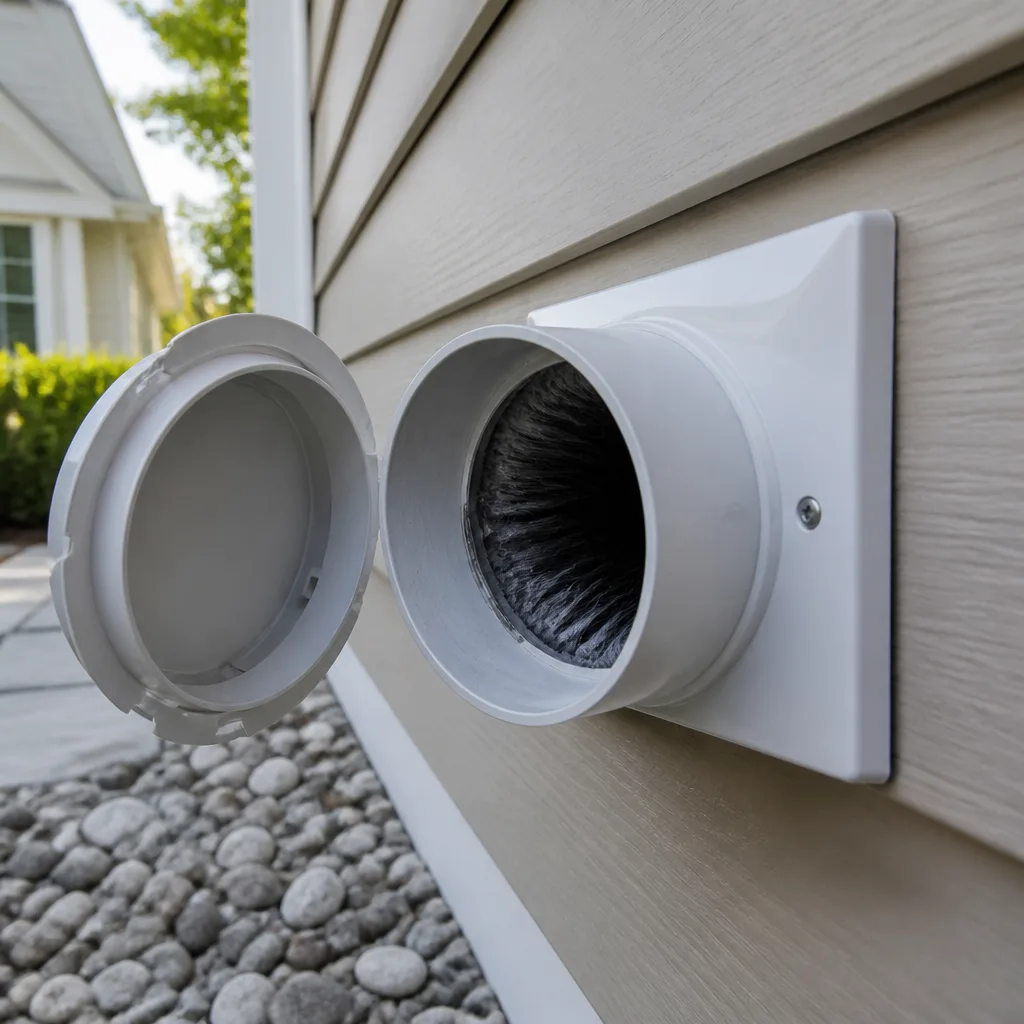 Dryer vent cleaning
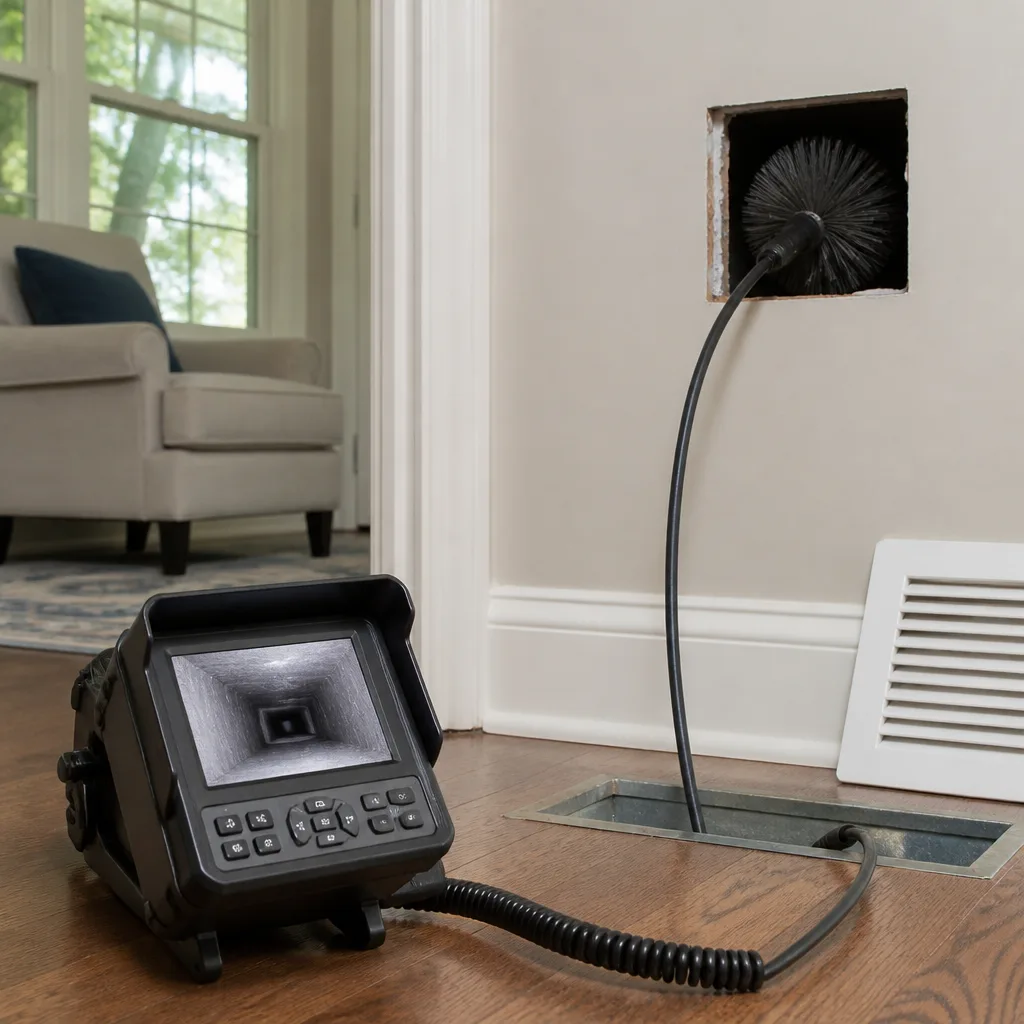 Camera inspection
 Sanitizing & deodorizing
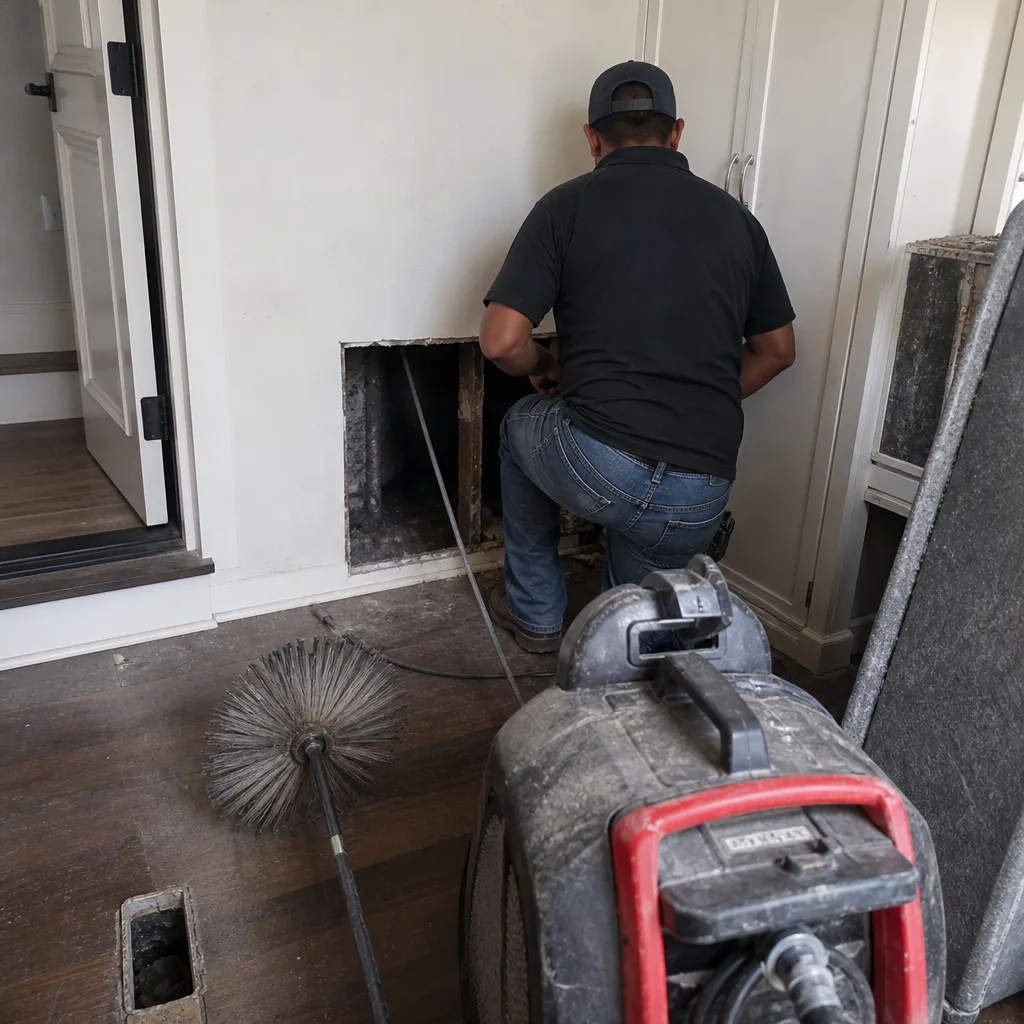
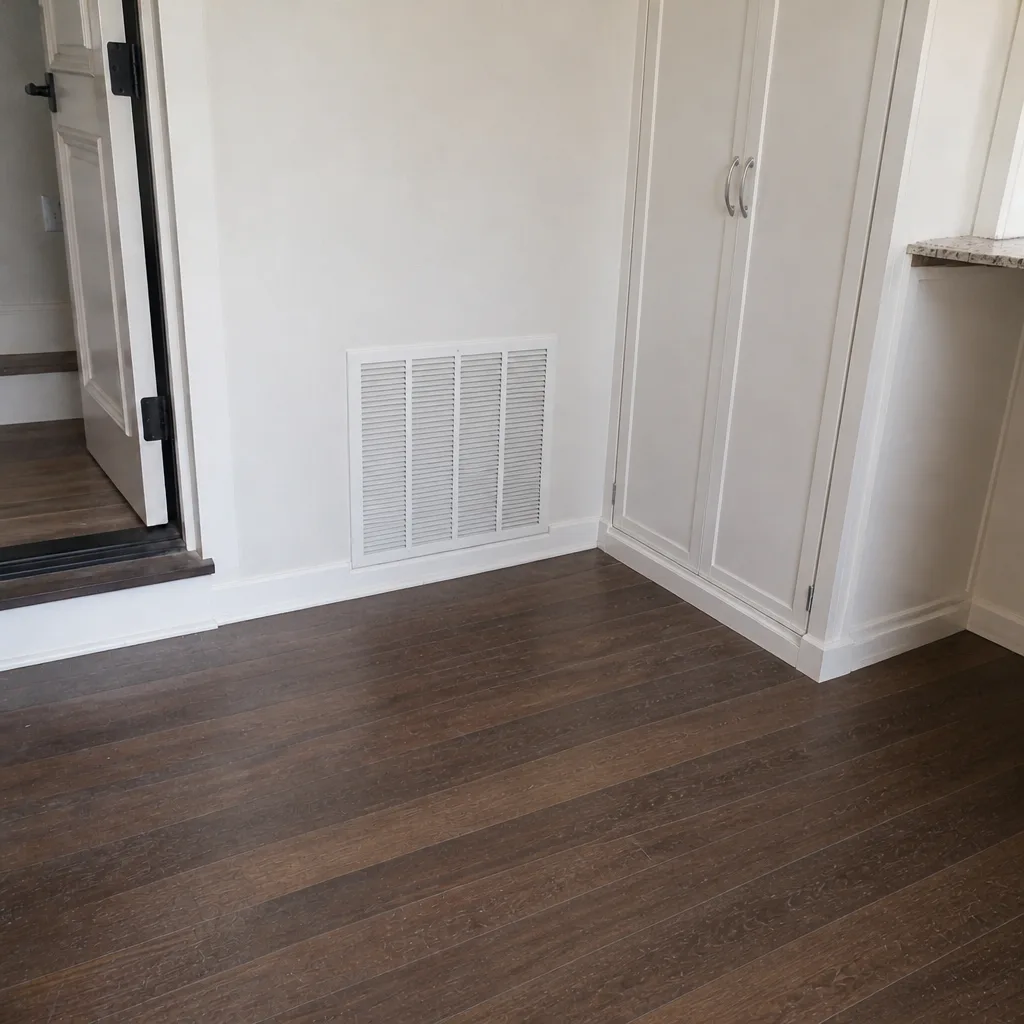
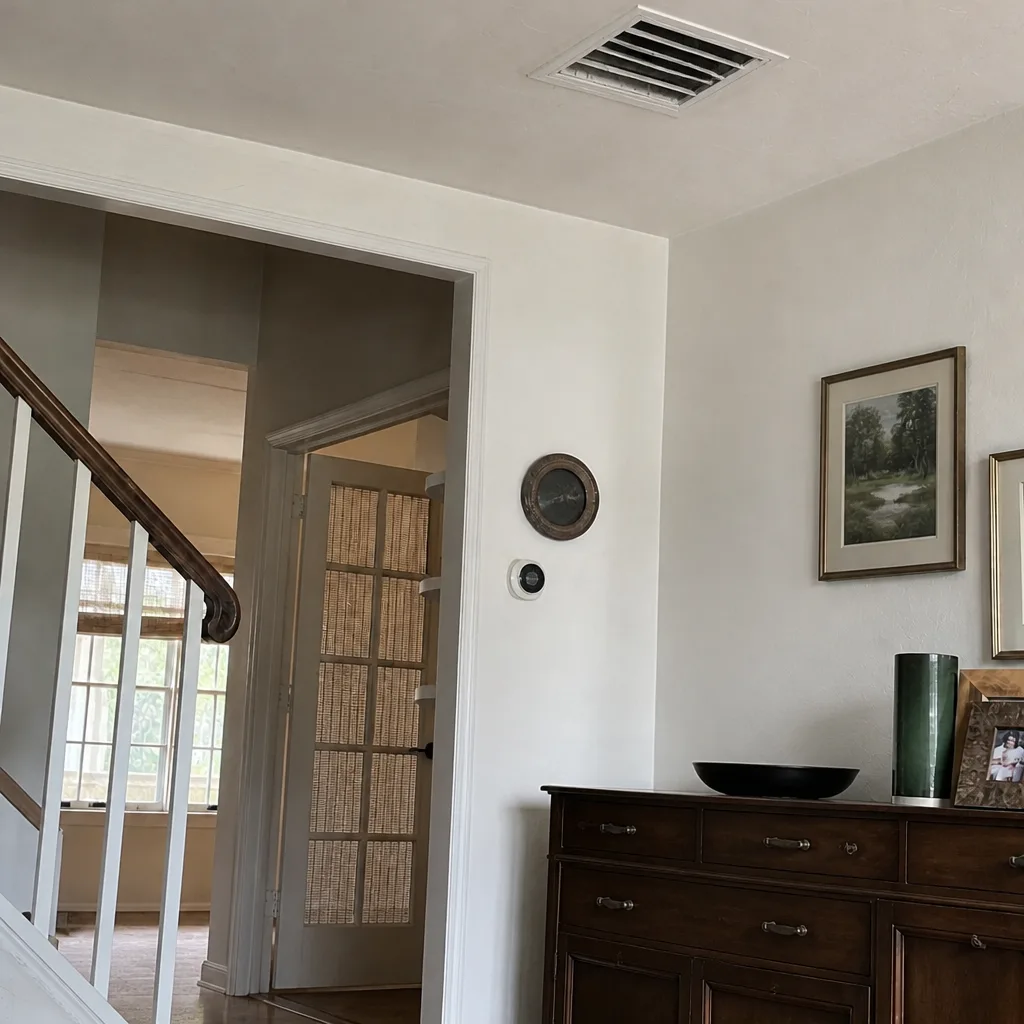
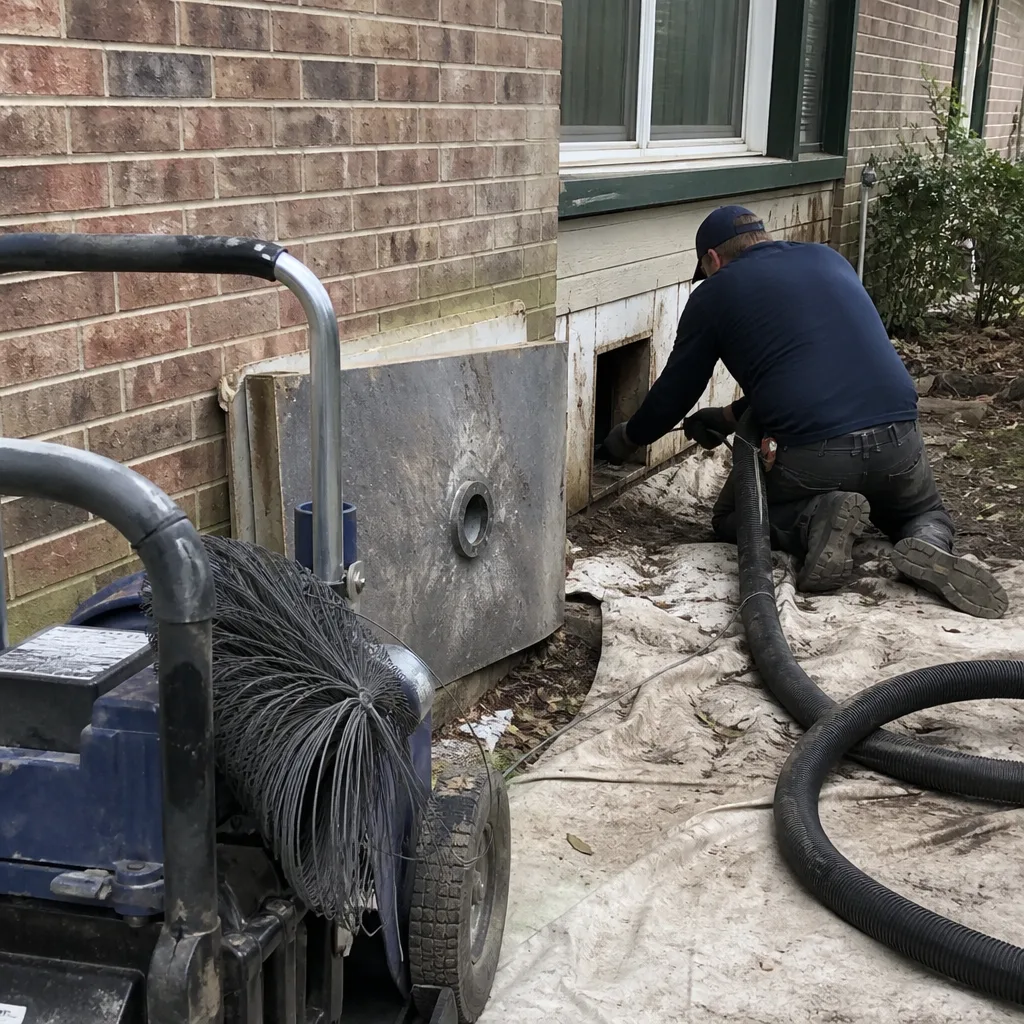
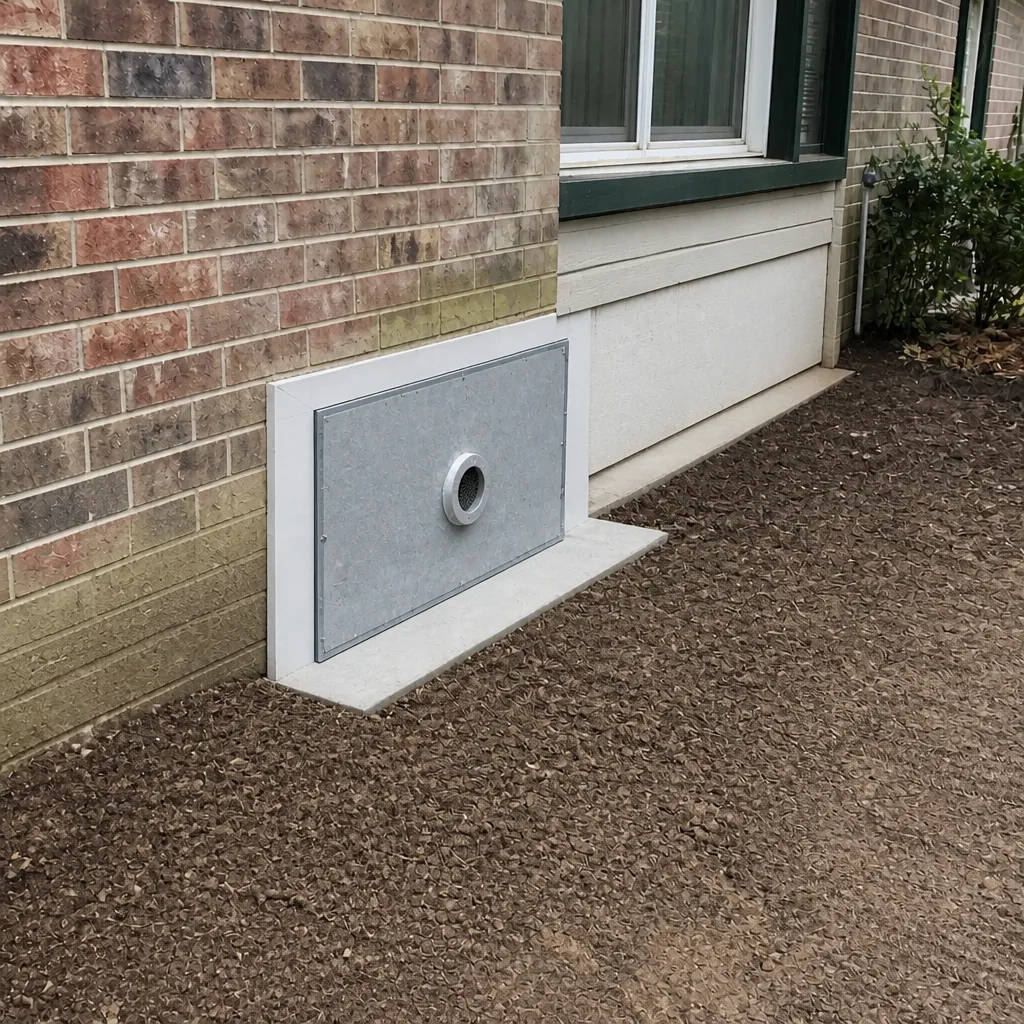
Whole-system duct and dryer vent check with before-and-after photos - you see exactly what came out of your vents
That "$99 whole-house special" is a bait ad - the real number appears once they are in your hallway, or the "clean" is a shop-vac at the register. We photograph the inside of your ducts before and after instead.
Air Duct Cleaning Warning Signs: A The Heights Homeowner’s Reference Guide
A musty smell that only shows up when the AC kicks on isn’t a stale-house problem. It’s a biological growth indicator, and most homeowners blame the air handler when the smell is actually coming from the duct lining itself. In The Heights, where older homes and a humid subtropical climate meet, the subtle warning signs matter more than the obvious ones. Visible dust is the last thing to appear, not the first. This guide walks through the indicators that actually tell you something about your duct system: humidity behavior at the registers, temperature swings between rooms, smell profiles that point to specific problems, and pest evidence specific to attic ductwork in The Heights. By the end, you’ll know how to read your own system before small issues turn into expensive ones.
Quick Answer
Air ducts in The Heights usually need attention when you notice a musty smell that appears only when the AC starts, condensation or sweating at supply registers, rooms that never cool evenly, visible dark residue on register grilles, or pest evidence at flex duct joints in the attic. Of these, chronic humidity symptoms and odor profiles are the most reliable early indicators in Houston’s climate, because they reveal insulation and sealing failures before dust ever becomes visible inside the home.
Styles & brands we work with
- Whole-home duct cleaning
- Dryer vent cleaning
- Camera inspection
- Sanitizing & deodorizing
Table of Contents
- Normal Post-Startup Dust vs. Genuine Debris Discharge
- The Register Wipe Test and What Residue Colors Tell You
- Why Uneven Room Temperatures Signal Duct Problems in The Heights
- Odor Diagnostics: Mold, Rodent, and Dead Insulation Smell Profiles
- Pest Evidence in Houston Attic Ductwork
- Humidity Red Flags Unique to Houston Homes
- What Cleaning Fixes and What It Doesn’t
- A Room-by-Room Inspection Walkthrough
Normal Post-Startup Dust vs. Genuine Debris Discharge
Every forced-air system pushes a small puff of dust out of the registers when it starts up, and in a Houston home that runs the AC nine or ten months out of the year, that puff happens hundreds of times. Some of it is normal. The trick is separating the ordinary startup puff from debris that’s actually being discharged by a dirty or failing duct system.
Here’s the distinction that matters: normal startup dust is light, grayish, and dissipates within a minute or two of the blower turning on. It’s mostly settled household dust that got disturbed when the airflow kicked in. Genuine debris discharge is different. It keeps coming as long as the system runs, it feels heavier, and it deposits on surfaces near the supply registers rather than drifting through the room.
Three markers tell you it’s the real thing:
- Duration. Debris keeps discharging for the whole cycle, not just the first 60 seconds.
- Localization. It shows up on furniture, sills, and floors directly in the path of one or two registers, not evenly across the house.
- Texture. Real debris feels gritty or fibrous. Normal startup dust feels powdery and light.
In The Heights, the older homes matter here. Many were built with duct layouts that predate modern filtration, and the return-air side often has gaps that pull attic or crawlspace air into the system. When that happens, the discharge has a distinctive look: darker, sometimes with fine insulation fibers mixed in. If your returns are in older, minimally sealed chases, that alone can be one of the earliest warning signs in the system.
What you’re really watching for is a change in behavior. If your registers have been the same for years and now they’re discharging more, or depositing on the same surfaces faster, that shift is the signal. Fixed behavior, even with a little dust, usually points elsewhere, often to the furnace filter or a slightly undersized return.
The Register Wipe Test and What Residue Colors Tell You
The register wipe test is the single most useful thing a homeowner can do. You don’t need tools, you don’t need to open anything, and it tells you more than most people realize. Here’s how it works.
- Turn off the system at the thermostat and wait five minutes for airflow to stop.
- Take a clean white paper towel or a piece of white cloth.
- Wipe the inside face of one supply register grille, not the outside frame, and not the vanes where dust naturally collects from room air.
- Wipe the same spot on two or three other registers in different rooms.
- Look at the towel indoors, not outdoors, and compare the color and texture between rooms.
What comes off on the towel tells you a lot:
- Light gray, dry powder. Normal settled dust. Wipe again in a few weeks and see if it’s consistent.
- Dark gray or black smudge. Often carbon and fine particulate. Frequently seen when return air is being pulled from an uncleaned attic or a garage-adjacent space.
- Brown or reddish staining. Sometimes rust carryover from older metal duct, or organic material. Worth a closer look at the inside of the register boot.
- Green or black speckling with a slightly damp feel. The strongest indicator of biological growth on the duct lining. In Houston humidity this is the one to take seriously.
- Fibrous, glassy residue. Often insulation fibers, most common where flex duct or internal duct liner has degraded.
A single dark wipe in one room is worth noting. Dark wipe in multiple rooms, especially the ones closest to the air handler, points to the source being in the ducts rather than in the room. The register wipe test won’t diagnose the whole system, but it tells you whether it’s time to bring in professional-grade inspection equipment.
Why Uneven Room Temperatures Signal Duct Problems in The Heights
Most homeowners assume a hot room means the AC is too small. In The Heights, in older homes with original or partially replaced duct layouts, uneven temperatures usually mean something different: air is being lost before it reaches the room, or the path to that room is blocked.
Here’s why. Duct leakage in the attic is common in Houston. The supply runs pass through unconditioned space where the temperature often hits well over 100 degrees in summer, and a 15 to 20 percent leak rate on a supply run bleeding into that space is air that never reaches the bedroom. The system may be perfectly sized. It’s just delivering less air than it’s producing.
A few patterns to look for:
- One room consistently warm while adjacent rooms are fine. Usually a weak run, a partially disconnected joint, or a crushed flex duct.
- Second story much warmer than first. Frequently a return-air shortage or an undersized return trunk on the upper floor.
- Rooms farthest from the air handler affected first. Classic sign of a leak between the handler and that room, or a long run with a crushed section in the attic.
- Temperature swings through the day. Often indicates duct leakage that changes with attic temperature.
The tricky part is that the same room feels normal in winter and unbearable in summer. That pattern is nearly always a duct-loss issue, not a sizing issue, because the attic heat drives the difference. If your thermostat is set correctly and the room still drifts, that’s the signal to have the ducts inspected. Air Duct Cleaning The Heights handles duct inspection and repair-and-sealing as a native service, which means a technician can diagnose the leak and seal it on the same visit rather than referring it out.
Odor Diagnostics: Mold, Rodent, and Dead Insulation Smell Profiles
Smell is the most underrated diagnostic tool homeowners have. Three odor profiles in greater Houston homes come up again and again, and each points to a different problem.
Musty, earthy smell that appears only when the AC starts. This is the biological growth profile. It’s most often the duct lining, especially in humid closets and in the return plenum near the air handler. The smell comes and goes because the growth dries out between cycles and reactivates when humid air flows over it. Cleaning alone often isn’t enough for this one, because if the growth has penetrated the duct liner, the liner needs sanitizing and in some cases replacing. This is also where Aprilaire and Honeywell air-quality products come into play, since controlling indoor humidity long term is what keeps the growth from returning.
Sharp, ammonia-tinged smell with a faint urine note. Rodent activity. In Houston homes, rats and mice use the attic and the duct pathways as their main corridors. The smell is strongest near the return grille or in a room where a flex duct has been chewed through.
Dry, mineral, slightly chalky smell that lingers after the system stops. Degraded internal duct insulation. Chunks of liner on the inside of the duct break down over time, and what you smell is the binder releasing. This one is a physical degradation problem, not just a cleaning problem.
Two other profiles are worth noting:
- A faint chemical or “new plastic” smell after someone has sealed or replaced ducts is usually normal off-gassing and clears within days.
- A cooking or pet odor that improves only slightly after cleaning usually means the odor has bonded to porous materials, and it often needs sanitizing treatment rather than another wash.
Which odors can’t be resolved by cleaning alone? Musty growth that’s reached the liner, rodent contamination that has soaked into insulation, and dead insulation smell all need repair or replacement in addition to cleaning. That’s why the cleaning-and-sealing combination matters: we clean it, then we seal it, which is the sequence that actually closes off the source.
Pest Evidence in Houston Attic Ductwork
Houston’s pest pressure is real, and attic ductwork is some of the easiest real estate in the house for rats and mice to use. The signs are specific once you know where to look.
Start with the flex duct joints. In older The Heights homes with attic installations, flex runs are often connected with plastic collars and zip ties, or in some cases just tape. Over a decade or two, tape dries and collars loosen. The result is a small gap that looks harmless from two feet away but is a rat-sized entry point. On inspection, common signs include:
- Chew marks at the collar connection points, especially on the outer jacket of flex duct.
- Nesting material pushed up against a duct run: insulation shreds, torn paper, or attic debris gathered in a cluster.
- Droppings concentrated near the air handler closet, along the main trunk, or where the run passes through a fire-block penetration.
- Grease smudges where rodents have squeezed through a small gap, leaving a visible track.
- Loose sections of flex that appear disconnected from their boot or trunk takeoff.
The reason this matters more than a generic pest problem is that any gap in the attic ductwork is a direct path for attic air, insulation fibers, and pest debris into the conditioned space. Cleaning without resealing those joints just resets the clock. The right sequence is to clean, then repair and seal, then sanitize if the contamination was significant. Our technicians use Abatement Technologies air-containment equipment on these jobs to keep the surrounding attic space from being disturbed while the work is done.
If you suspect rodents have gotten into the ducts, don’t run the system until it’s been inspected. That’s not a scare tactic; it’s the only way to avoid redistributing the contamination through every room in the house.
Humidity Red Flags Unique to Houston Homes
Houston’s humidity is the single biggest reason duct problems look different here than in other parts of the country. Where a homeowner in a dry climate watches for static and dust, a homeowner in The Heights watches for condensation and sweating. These are the three humidity signals we see most often.
1. Condensation on the outside of supply registers. A little condensation right at the register face during the hottest, most humid weeks is common. Persistent condensation, or drops on the wall around the register, means the duct boot or the duct near the register isn’t insulated effectively, so cold duct air is meeting warm humid room air. Left alone, this is the exact condition that feeds mold growth on the wallboard and inside the register boot.
2. Sweating supply runs in the attic. If you go into the attic on a humid day and see condensation on the outside of a duct run, the duct insulation has failed or the vapor barrier has been breached. This is common in older Houston attic installations where the duct wrap has absorbed moisture over years and lost its insulating value. It’s also a major contributor to uneven room temperatures, since wet insulation poorly protects cold air from attic heat.
3. A clammy feel in the house despite the AC running. When the AC is running but the indoor humidity stays high, the duct system is often the cause: leaking returns pulling humid attic air into the system, or a return-air path that bypasses the filter and brings moisture in.
What each one indicates:
- Register face condensation only: boot insulation or sealing issue, often fixable with resealing.
- Attic run condensation: lost insulation value, usually needs replacement of the duct wrap or the run.
- House-level clamminess: return-side leak, which needs a proper inspection rather than more cleaning.
For persistent indoor humidity, integrating a whole-home dehumidification or air-filtration product from a manufacturer like Aprilaire or Honeywell is often the practical long-term answer, because it controls the moisture load that makes duct growth possible in the first place. Professional-grade equipment, not entry-level tools, is what lets a technician actually measure the moisture and airflow rather than guess at it.
What Cleaning Fixes and What It Doesn’t
One of the most useful things we can tell a homeowner is what cleaning will and won’t solve. That way, when someone offers you a cheap cleaning, you know what you’re actually buying.
Cleaning fixes: accumulated dust and debris in the ducts, light surface contamination on duct walls, odor from settled dust, and lint buildup in the dryer vent (which is a fire safety issue, not a comfort one). A proper mechanical cleaning with a Rotobrush or Nikro system also restores airflow when the restriction is loose debris rather than a structural problem.
Cleaning doesn’t fix: duct leaks, disconnected runs, degraded internal insulation, mold that has penetrated the liner, rodent contamination that has soaked into porous material, or uneven temperatures caused by leakage. For any of those, cleaning has to be paired with repair and sealing.
Here’s the sequence that makes sense:
- Inspect. Use a camera and air-containment setup to see what’s actually in the ducts. Rotobrush and Nikro equipment supports inspection as well as cleaning.
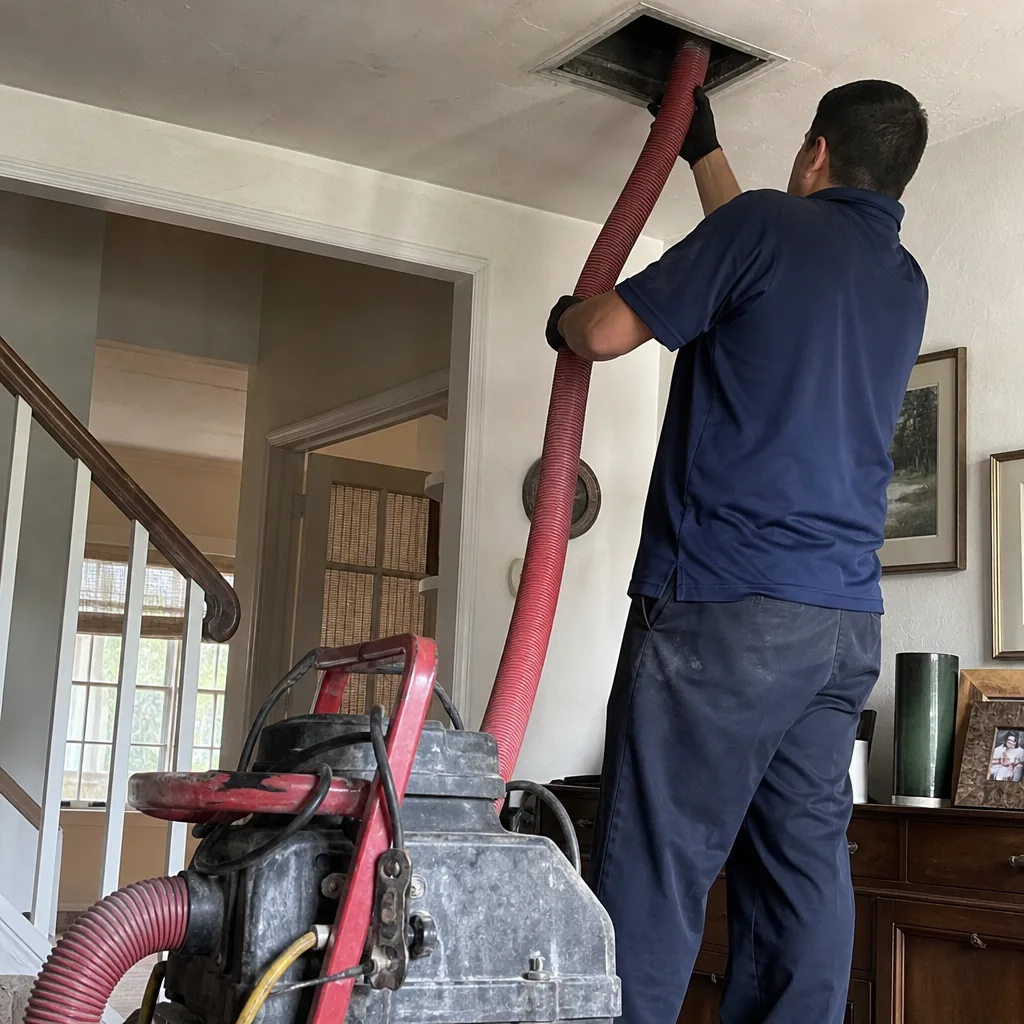
- Clean. Mechanical agitation and negative-pressure extraction, not a shop vac duct-taped to a vent.
- Repair and seal. Fix disconnected joints, replace failed sections, and mastic-seal leaks at the plenum and trunk.
- Sanitize only if odor or growth indicators call for it. Not every job needs it.
- Recommend air-quality upgrades where humidity or filtration problems are chronic. Filtration upgrades from Aprilaire or Honeywell are the practical bridge between cleaning now and staying clean later.
On any applicable job, our technicians run Abatement Technologies air-containment equipment, which is the same standard used in professional remediation work. For homeowners who have seen how badly a low-effort cleaning can disperse debris, this is the difference between a proper job and a mess. Air duct cleaning done this way takes longer than a coupon service, and it’s the only version that actually changes the behavior of the system.
A Room-by-Room Inspection Walkthrough
Here’s a simple sequence a homeowner can follow once a season, without tools. It takes about twenty minutes and gives you a solid read on your own system.
- Thermostat room. Check that the return grille is unobstructed and the filter has been changed on schedule. A clogged filter strains the whole system and produces some of the same symptoms as dirty ducts.
- Each supply register. Run the wipe test on at least three registers, then note condensation or wall staining around the register face.
- Each bedroom. Close the door for ten minutes with the system running, then check whether the room feels cool and dry or warm and clammy. Write down what you find; patterns are easier to spot across rooms.
- Hallway and living areas. Note any odors that appear only when the AC starts. Musty smells need their own follow-up.
- Utility closet and air handler access. Look for water staining, dust accumulation around the equipment, and any gaps in the return plenum.
- Attic access (from the hatch only). Shine a light into the attic and check for visibly sagging or disconnected ducts, without climbing through the space. If you see a run that appears disconnected, stop there; leaving the system off until a technician inspects it prevents redistribution of debris.
- Dryer vent exterior. Outside the house, confirm the vent flap opens fully when the dryer runs. A weak flap indicates lint buildup that needs dryer vent cleaning.
The goal isn’t to diagnose the system, it’s to build a clear picture of what’s happening so a professional inspection can start from a real baseline. In our experience, homeowners who do this walkthrough once a season catch developing issues much earlier than those who wait for dust to become visible.
Common Mistakes to Avoid
- Assuming the AC is undersized when one room won’t cool. In The Heights, that pattern usually comes from duct leakage or a crushed run, not equipment sizing. Get the ducts inspected before considering a system replacement.
- Hiring whoever offers the lowest coupon price. Low coupon pricing is a known bait-and-switch pattern in this trade, where the price rises once the technician is on-site. One flat price per system agreed in writing before work starts is the honest structure.
- Cleaning without repairing. If the ducts have a disconnected joint or a degraded run, cleaning resets the clock but the debris returns quickly. Cleaning and sealing belong in the same conversation.
- Ignoring a musty smell after one cleaning. When the smell persists after a proper cleaning, the biological growth is likely in the liner, not the duct surface. That needs sanitizing or liner replacement, not another wash.
- Assuming a shop vac counts as a cleaning. Repurposed shop vacs move very little air and can’t develop negative pressure on the system. Rotobrush and Nikro systems are purpose-built for duct work; the equipment matters as much as the technician.
- Waiting for visible dust before calling anyone. Visible dust is nearly the last warning sign to appear in a Houston home. Odor and humidity behavior show up much earlier and cost far less to fix.
- Running the system after a rodent sighting. If you’ve seen evidence of rats or mice in the attic, don’t run the system until it’s inspected. Running it redistributes contamination through every room.
See the difference
 Before
 After
 Before
 After
 Before
 After
When to Call a Professional
Call for professional inspection when any of the following is true: you notice a musty smell that appears only when the AC starts; you see persistent condensation at supply registers or visible condensation on attic duct runs; you have uneven room temperatures that persist after a filter change; you find droppings, chew marks, or nesting material anywhere near the ductwork; or the register wipe test produces consistent dark or damp-smelling residue in more than one room. Also call if anyone in the home has persistent respiratory irritation that seems tied to the HVAC schedule, since that’s often an indicator worth investigating. Don’t wait for visible dust to make the call. Air Duct Cleaning The Heights offers free estimates in The Heights. The local pro is licensed and insured as their state requires. Call (855) 726-7524. We answer 24/7. Fast dispatch from 7am to 7pm, Sunday through Friday.
Frequently Asked Questions
Whole-system air duct cleaning in The Heights typically runs a few hundred dollars depending on the number of vents, the complexity of the layout, and whether repair or sanitizing is needed. Homes with attic ductwork that needs resealing will usually land at the higher end. The written estimate sets the final price, so you know what you’re paying before work starts. Call (855) 726-7524 for an exact quote; estimates are free.
Cheap quotes usually leave out something the job actually needs: proper containment equipment, a camera inspection, sealing, or sufficient cleaning time. The lower price gets you the visit, and the invoice on-site often ends up higher than the honest quote you skipped. One flat price per system, agreed in writing before work begins, is the way to compare fairly. Call (855) 726-7524 and we’ll walk you through what a proper job includes.
Ask for before-and-after photos of your own ducts, taken with the inspection camera. A technician who has properly cleaned a system can show you exactly what the duct looked like before and after, and can point out what was found. If a company won’t provide photos, that tells you something about the job. Call (855) 726-7524 to schedule an inspection with a written scope.
Most The Heights homes benefit from a professional inspection every two to three years, with cleaning on a schedule driven by what the inspection finds rather than a fixed calendar. Homes with pets, recent renovations, or visible pest activity often need attention sooner. Regular filter changes stretch the interval between cleanings. Call (855) 726-7524 if you’re not sure when your system was last inspected.
Usually not, if the smell appears only when the AC starts. That pattern indicates biological growth in the duct lining, which cleaning alone doesn’t fully resolve. The right fix is a proper cleaning, sanitizing treatment, and often repair or resealing of the affected run, along with long-term humidity control. Our technicians work with Aprilaire and Honeywell air-quality products for that last step. Call (855) 726-7524 for a proper diagnosis.
Shop vacs move too little air and can’t create negative pressure on the duct system, so they mostly stir up dust rather than removing it. Rotobrush and Nikro systems are purpose-built duct-cleaning equipment that agitate, extract, and control the debris with proper containment. We also use Abatement Technologies air-containment units on applicable jobs. Call (855) 726-7524 if you want the work done to that standard.
The Bottom Line
The warning signs of a duct problem in The Heights usually show up as behavior, not as visible dust. Musty smells that appear only when the AC starts, condensation on registers or attic runs, rooms that never cool evenly, dark or damp residue on a register wipe, and pest evidence at flex duct joints are all signals worth taking seriously. Cleaning alone only solves some of these; the ones tied to leakage, degraded insulation, or biological growth need repair and sealing in the same visit. Trust equipment that can actually do the work, insist on one flat price per system agreed up front, and ask for before-and-after photos. HVAC cleaning rounds out the picture when the air handler itself needs attention.
Contact
If this guide described your home, the next step is a proper inspection. Air Duct Cleaning The Heights provides Air Duct Cleaning, Dryer Vent Cleaning, HVAC Cleaning, Air Quality & Sanitizing, and Duct Repair & Sealing, all as in-house services. Our technicians have up to 8 years of experience. Call (855) 726-7524. We answer 24/7. Fast dispatch from 7am to 7pm, Sunday through Friday.
Written by the team at Air Duct Cleaning The Heights.