
Last updated November 25, 2026
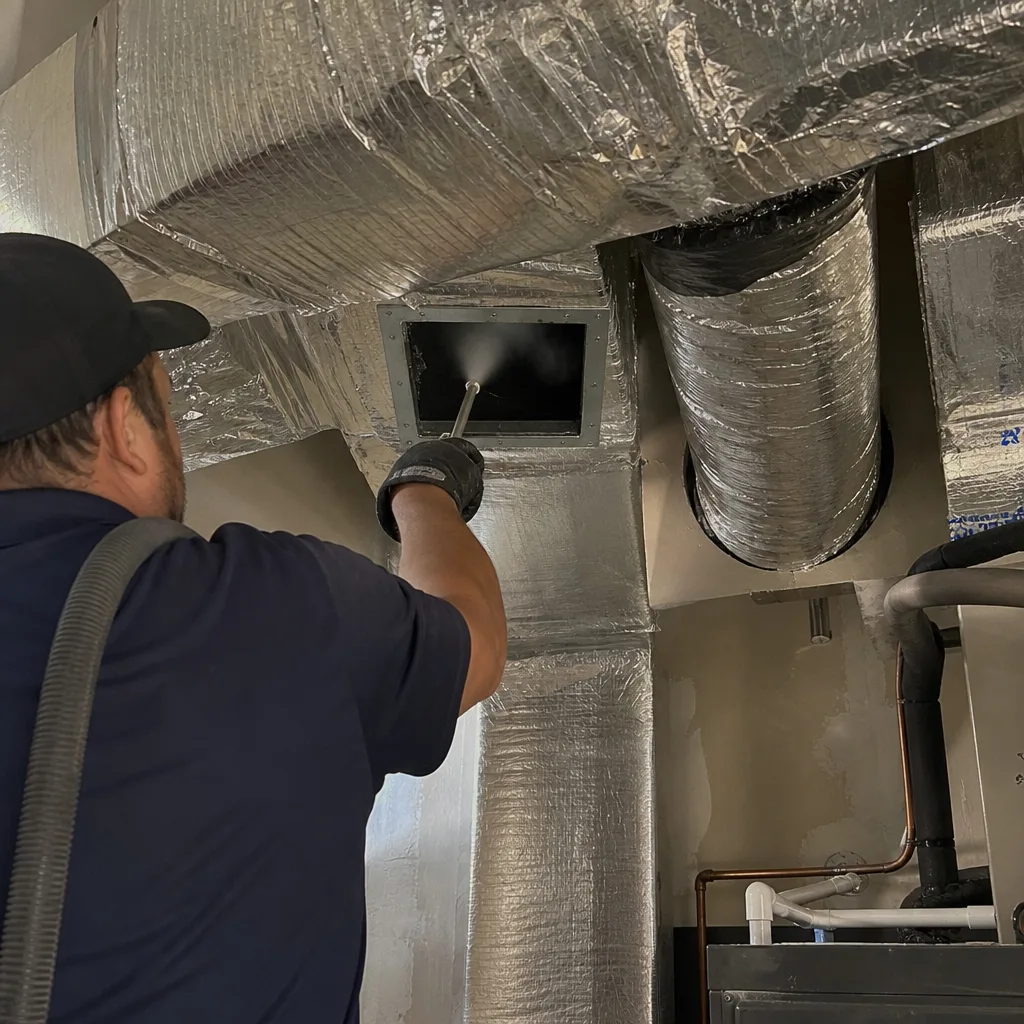
 Whole-home duct cleaning
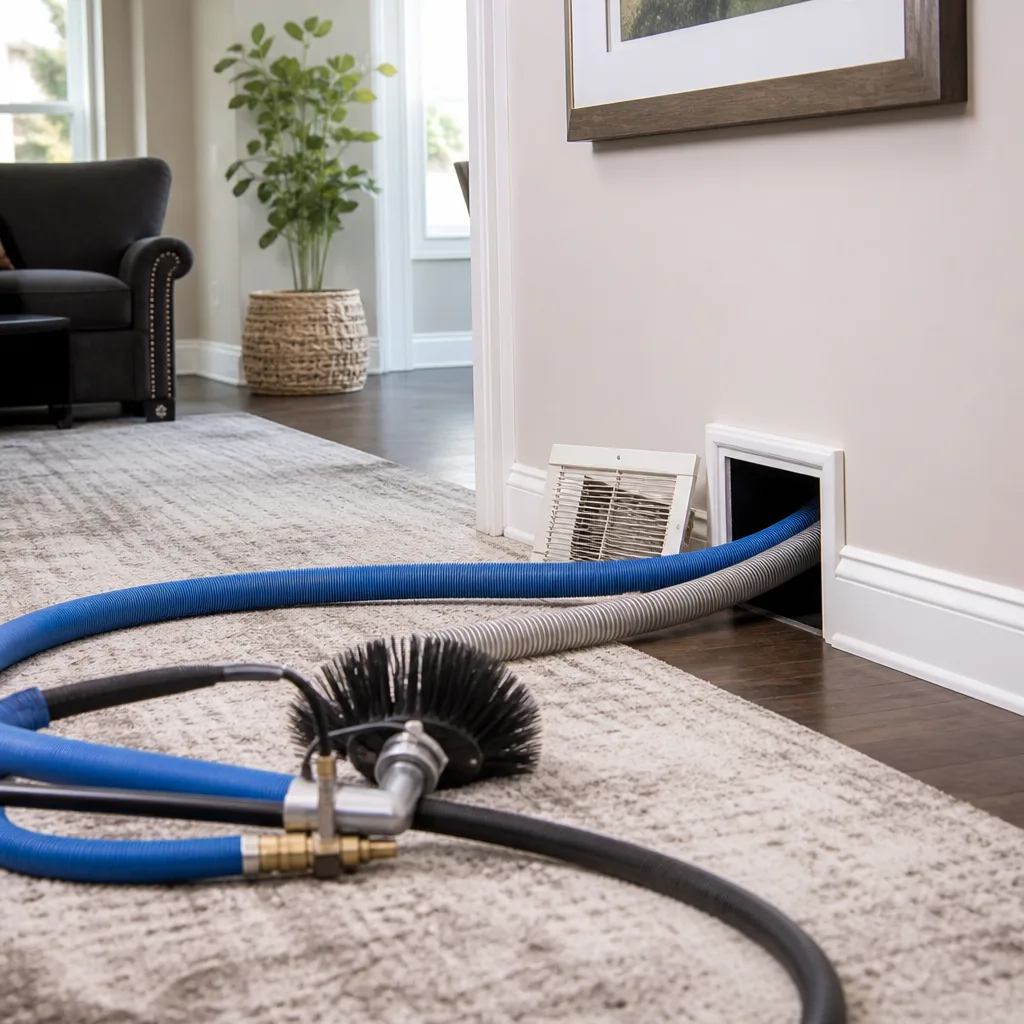
 Dryer vent cleaning
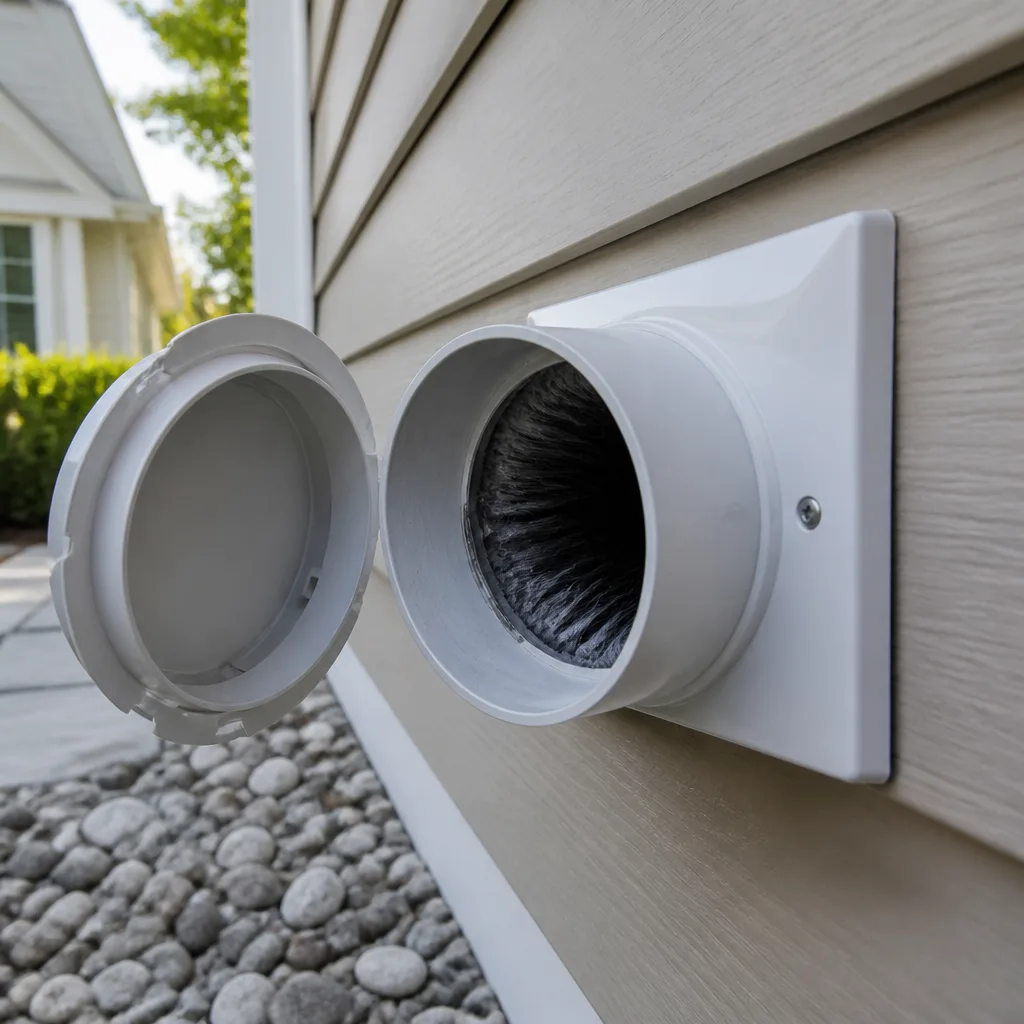
 Camera inspection
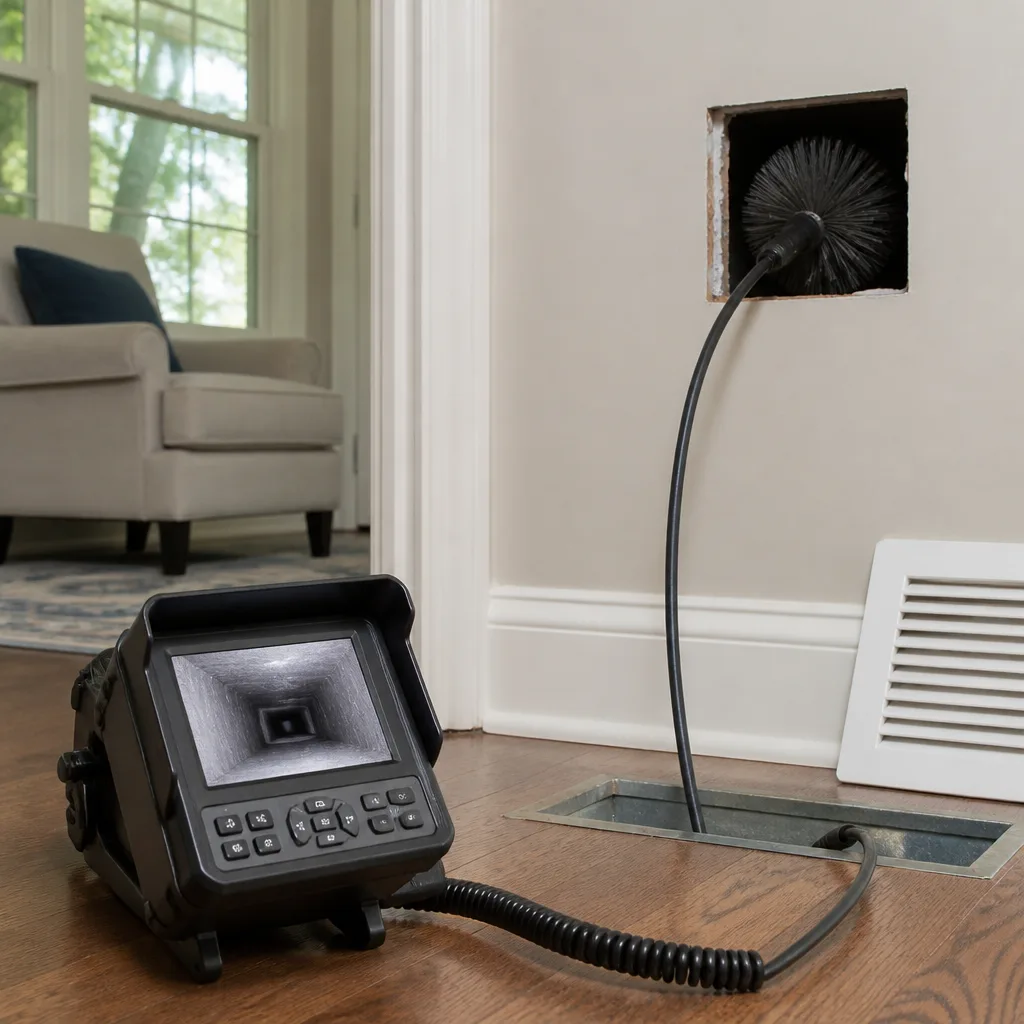
 Sanitizing & deodorizing
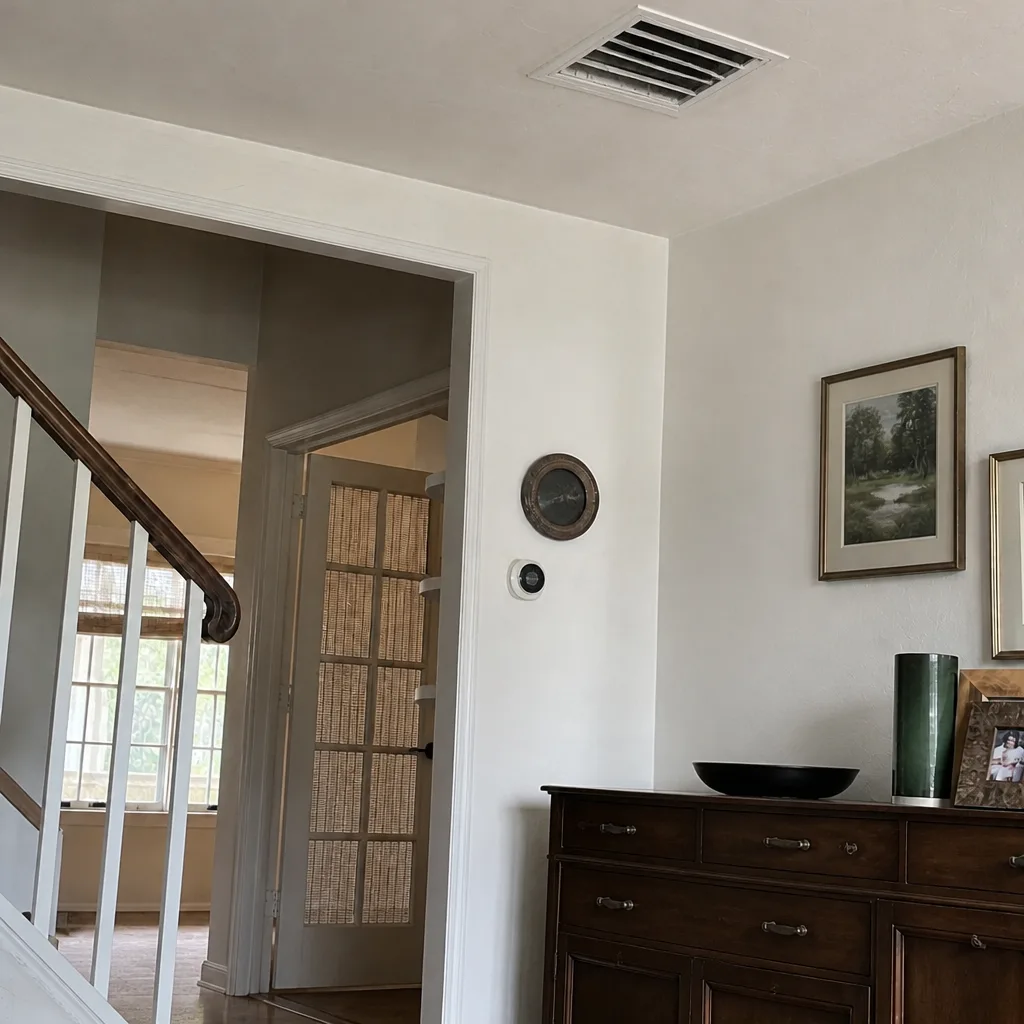
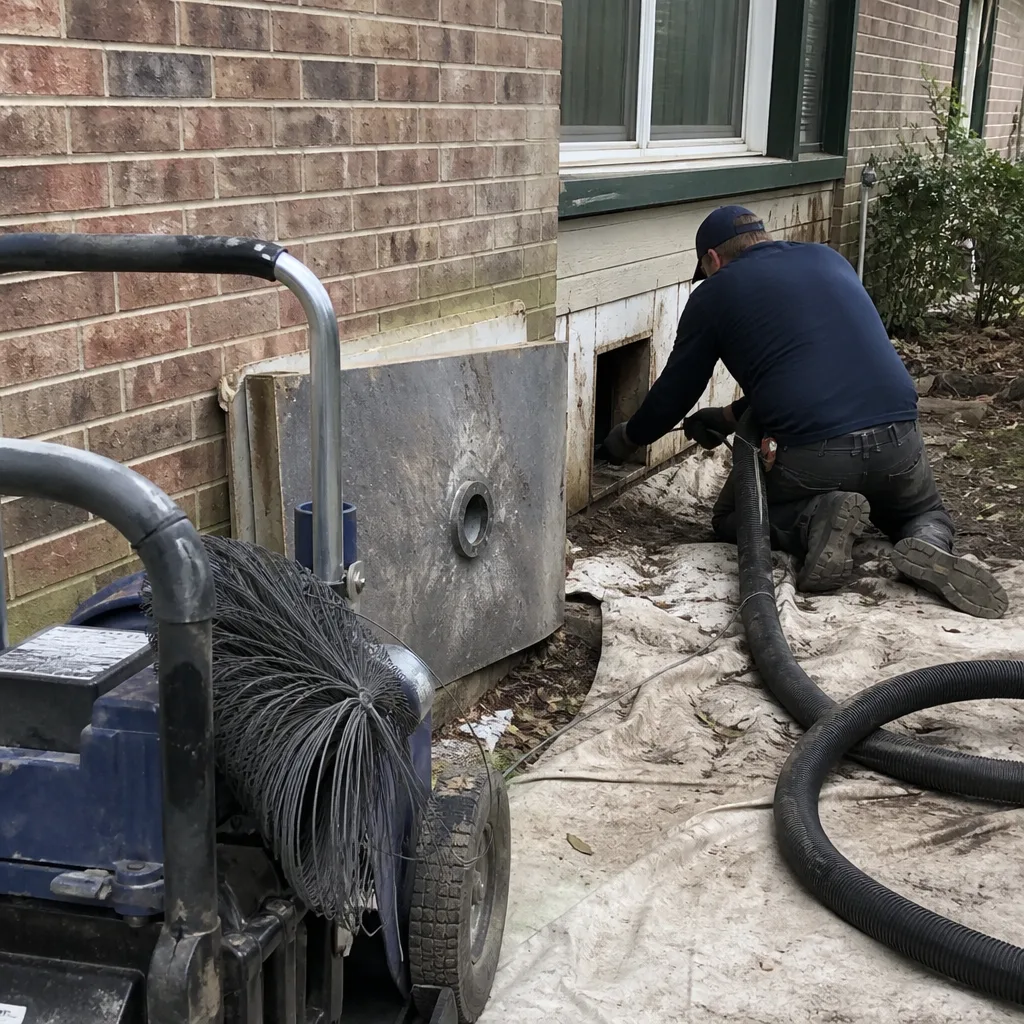
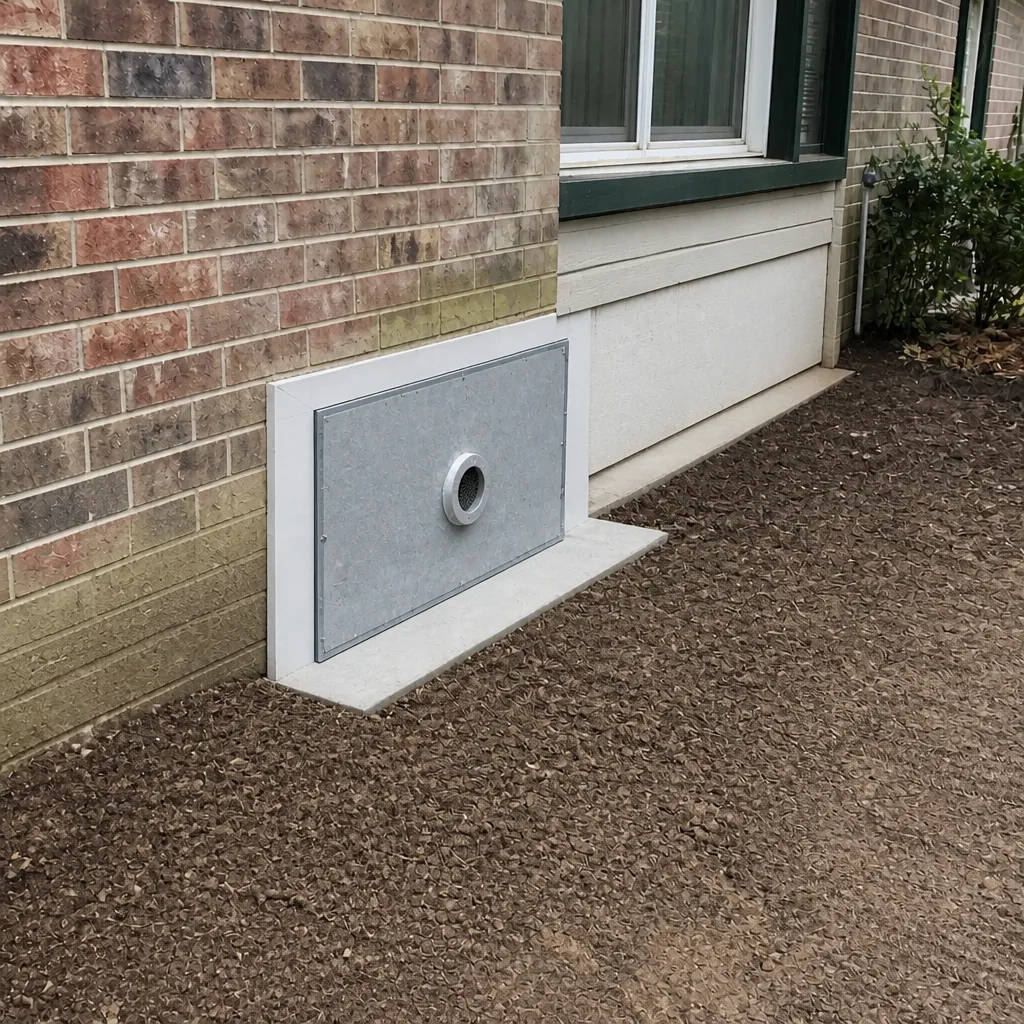
Whole-system duct and dryer vent check with before-and-after photos - you see exactly what came out of your vents
That "$99 whole-house special" is a bait ad - the real number appears once they are in your hallway, or the "clean" is a shop-vac at the register. We photograph the inside of your ducts before and after instead.
Air Duct Cleaning Maintenance Checklist for The Heights Homeowners
The filter you changed last month tells you almost nothing about what’s happening 15 feet inside your return plenum, which is where the debris that affects your air quality actually accumulates. Most maintenance advice stops at “swap the filter and forget about it,” and that advice quietly fails anyone living in an older home with original sheet metal ducts. What actually protects your indoor air is a running log: a record of the specific conditions in your house that drive duct degradation over time. This guide gives you that log, built around the climate calendar and housing stock of The Heights, so you can track your system like the moving part it is.
Quick Answer
A workable air duct maintenance checklist for a The Heights home has three layers: a monthly visual and filter check, a seasonal system check tied to the local humidity and storm calendar, and a professional assessment every few years or after any major trigger event like a renovation. The goal isn’t to clean constantly. It’s to record the conditions that push your ducts toward needing service so you can act before air quality drops.
Styles & brands we work with
- Whole-home duct cleaning
- Dryer vent cleaning
- Camera inspection
- Sanitizing & deodorizing
Table of Contents
- Why a Static Reminder List Fails in The Heights
- Building Your System-State Log
- The Month-by-Month Calendar
- Reading the Warning Signals
- What You Can Inspect and What Needs a Scope
- How Renovation Activity Resets the Clock
- A Condition-Rating System You Can Trust
- When to Call a Professional
Why a Static Reminder List Fails in The Heights
A reminder that says “clean your ducts every three to five years” treats every home the same. A 1950s bungalow off Heights Boulevard with an original return chase and a 2015 townhome near White Oak are not living under the same conditions. The Heights has an active remodel market, a long humid season, and periodic heavy rain events that push indoor moisture up. Those conditions change how fast debris accumulates and how quickly a small duct problem turns structural.
The general industry guidance about cleaning intervals exists for a reason, but it’s a floor, not a schedule. Your home’s actual cadence depends on three variables: how much humidity it holds through summer and after storms, how much dust-generating activity happens inside it (renovation tops that list), and whether pests have ever gotten into the attic or crawl ductwork. A checklist that ignores those variables is just a calendar reminder dressed up as maintenance.
We’ve seen this play out across The Heights. Two homes on the same block, similar square footage, can be years apart in duct condition because one had a kitchen remodel and one didn’t. The difference isn’t neglect. It’s conditions. That’s exactly why your maintenance document should be a log of conditions, not a count of days since the last cleaning.
The practical takeaway: build a document that tracks observable state. When you meet a technician later, you’ll have a baseline. If you want to understand what full-system service looks like beyond routine cleaning, our air duct cleaning in The Heights overview covers the scope.
Building Your System-State Log
Your log can be a notebook, a shared note on your phone, or a spreadsheet with one row per check. What matters is consistency. Log the same handful of indicators the same way each time so patterns become visible. Here’s what to record and why each entry earns its place.
- Date and season context. Note whether you’re just out of a storm season, mid-summer high load, or post-renovation. The date alone is meaningless without the condition attached to it.
- Filter condition and change date. Record how loaded the filter is and whether it was gray, matte, or visibly packed. A filter that loads fast in one season and slow in another tells you where the dust is coming from.
- Register observations. For each supply and return register, note visible dust buildup on the grille, streaks around the frame, or darkening near the edge. Photograph it. Same angle each time.
- Odor notes. Record any musty or stale smell, especially right after rain, and whether it fades or lingers. Odor is one of the clearest early indicators of moisture in the system.
- Room temperature balance. Note rooms that run warmer or cooler than the rest of the house. Uneven temperatures often point to airflow problems in the ducts themselves, not the HVAC unit.
- Exterior trigger events. Log storms, roof work, pest sightings, and any interior renovation dust. These reset your cleaning clock, which we’ll cover below.
Six entries, recorded in five minutes, give you a working record. Over a year, that record shows patterns no single inspection can reveal. It also gives a technician a documented history instead of a vague memory.
The Month-by-Month Calendar
The Heights’ climate has a distinct shape: a long warm and humid stretch through summer, a mild winter, and heavy rain events that can arrive with little notice. Calibrate your checks to that calendar rather than to a flat quarterly reminder. Months below are approximate; adjust to the actual weather in any given year.
Late Winter to Early Spring (February through April)
- Do a full walkthrough of every register and note looseness, dust, or rattling.
- Inspect accessible ductwork in the attic or garage if you can reach it safely with a flashlight.
- Check that filters are seated properly, not just changed.
- Log any winter dust accumulation as a baseline before the cooling season begins.
Pre-Summer High-Load Prep (May)
- Change filters before the first sustained cooling run.
- Test airflow in each room and note uneven spots so you can compare them in July.
- Clear return grilles of dust and lint buildup from spring cleaning.
- Note any musty smell that appeared with the first warm week. Humidity rising into cooling season is the trigger to watch.
Peak Summer (June through August)
- Check and change filters on a tighter interval because the system runs hardest now.
- Track humidity indoors; a home that holds moisture is one where duct issues grow quietly.
- Watch for condensation or dampness around registers.
- Log any room that’s noticeably warmer despite the system running.
Post-Storm Checks (Any time, but common late summer into fall)
- After a heavy rain, walk the house and note new odors or damp spots.
- Check the attic for water intrusion near duct runs.
- Inspect for pests that came in seeking shelter during weather.
- Log the event date against your last cleaning date. A storm doesn’t necessarily reset the clock, but it does warrant a check.
Fall (September through November)
- Book a professional assessment if it’s been several years or if any trigger event occurred.
- Confirm dryer vent is clear before heavier indoor use begins.
- Review the whole year’s log and note recurring patterns.
Reading the Warning Signals
Most duct problems announce themselves before they become expensive. The trick is treating everyday annoyances as data points rather than as things to live with. Here’s how to interpret the signals a The Heights homeowner is most likely to notice.
- Visible dust at registers: A little dust on a grille is normal. Streaks around the frame or dust blowing out at startup point to debris inside the run, not just on the surface.
- Musty odors after rain: Lingering mustiness after wet weather is a moisture signal. It’s one of the clearest reasons to escalate to a professional inspection.
- Uneven room temperatures: A room that never gets comfortable may have a duct that’s leaking, disconnected, or blocked. That’s a repair question, not a cleaning question, which is why we treat duct repair and sealing as a native part of the work.
- Rising energy bills with no other explanation: Leaky ducts push the system to work harder. A bill that creeps up without a rate change or a new appliance deserves a system check.
- Allergy symptoms that cluster indoors: If symptoms worsen at home and ease elsewhere, look at what the system is circulating.
One signal on its own is weak evidence. Two or more occurring together, especially after a documented trigger event, is strong enough to warrant a look. That’s the value of the log: it turns isolated annoyances into a pattern you can act on.
If your dryer vent is part of the picture, note that a clogged dryer vent is a different problem with its own symptoms; our dryer vent cleaning page explains what to watch for.
What You Can Inspect and What Needs a Scope
You can safely and usefully inspect a lot of your own system with a flashlight and your eyes. Where the line falls matters, both for accuracy and for safety. Cleaning and physical work inside ductwork belongs to trained technicians, but observation is fair game for any homeowner.
Safe to check yourself
- Filter condition and whether it’s seated correctly.
- Register and return grille surfaces for dust, streaks, and looseness.
- Accessible ductwork in an attic or garage for visible damage, disconnects, or moisture.
- Odors by room and timing.
- Room temperature balance with a simple thermometer.
Better left to a professional scope
- Inside the duct runs themselves. A camera scope reveals what the eye can’t, and interpreting what it finds is a trained judgment.
- Any area with suspected moisture or biological growth, which needs professional containment. This is where containment-grade equipment matters; we deploy Abatement Technologies air-containment on applicable jobs for exactly this reason.
- Structural questions like disconnected joints, crushed flex runs, or sealed system integrity.
Don’t attempt to reach into ductwork with tools to clean it yourself. You can damage the liner, dislodge debris into the living space, or create a hazard the system wasn’t designed for. Observation is safe; intervention isn’t.
How Renovation Activity Resets the Clock
The Heights has a very active remodel market, and renovation is the single biggest quiet trigger for duct problems in older homes. Drywall dust, sawdust, insulation fibers, and debris from demolition all migrate into the return system during construction. Even a well-taped-off work area leaks some of it. That means a kitchen or bath renovation effectively resets your cleaning interval, no matter how recently you cleaned.
Here’s how to build renovation into your log so it doesn’t slip:
- Note the start and end dates of any interior renovation, even a small one.
- Check your filter weekly while work is ongoing and record how fast it loads.
- Do a full register walkthrough the week construction ends.
- Schedule a professional assessment after the project closes out, especially if any walls were opened.
- Log the renovation date next to your last cleaning, so you don’t rely on memory when the question comes up later.
Skipping this step is one of the most common ways The Heights homeowners end up with dusty air months after a project wraps. The system looks clean until you open a scope and find what settled inside the plenum after everyone went home.
A Condition-Rating System You Can Trust
Different technicians describing the same ducts can leave you unsure whether you’re being told a story or a fact. The antidote is a simple, consistent rating system you apply yourself, so year-over-year comparisons stay honest and any inconsistency becomes obvious. Use a 1 to 5 scale and rate each of these categories the same way every time.
- Filter loading (1 = clean, 5 = packed): Rate the condition, not the age.
- Register dust (1 = clear, 5 = streaks and buildup): Rate the worst register in the house.
- Odor (1 = none, 5 = strong or lingering): Rate after a normal day, and separately after rain.
- Airflow balance (1 = even, 5 = clearly uneven): Rate how many rooms feel off.
- Overall system state (1 = healthy, 5 = needs service now): Your summary judgment for the check.
Two things make this system useful. First, it forces you to compare like with like, so a technician’s own assessment can be checked against your baseline. Second, it surfaces drift. A system sliding from 2 to 3 to 4 over a year tells you something is changing, even if no single check looked alarming. If a technician’s description conflicts sharply with your established rating, that’s a conversation worth having.
We use professional-grade equipment like Rotobrush and Nikro on every job precisely because consistent results start with consistent tools. The same consistency should apply to how your system is evaluated.
Common Mistakes to Avoid
- Treating filters as the whole checklist. A clean filter is one data point, not a system state. The debris that affects air quality accumulates deep in the return, well past the filter.
- Assuming newer construction doesn’t need attention. Newer townhomes in The Heights still accumulate debris, and tight builds can concentrate moisture problems rather than avoiding them.
- Not resetting the clock after renovation. A remodel fills the system with dust that a routine filter change won’t clear. Log the project and schedule a check.
- Ignoring musty odors because they fade. An odor that fades after rain is still a moisture signal worth recording. It often returns stronger.
- Hiring on price alone. Entry-level rigs and repurposed shop vacuums leave debris behind. Ask what equipment a provider actually uses before booking.
- Skipping the duct repair conversation. Cleaning without checking for disconnected or crushed runs leaves the airflow problem in place.
- Relying on memory. Without a written log, six months later you can’t say when you last had the system checked or why. A dated log is the whole point.
When to Call a Professional
Some signals call for a professional assessment rather than another flashlight pass. If you notice musty odors that persist after rain, dust streaks at multiple registers, uneven room temperatures that a thermostat change won’t fix, or a rise in energy costs without explanation, book an inspection. Same goes after any major renovation, storm intrusion, or pest sighting in the ductwork. A trained technician can scope the system, read what’s really happening, and recommend cleaning, sanitizing, or repair as needed rather than guessing.
Air Duct Cleaning The Heights offers free estimates in The Heights – call (855) 726-7524. We answer 24/7, with fast dispatch from 7am to 7pm, Sunday through Friday. One call covers the whole system.
See the difference
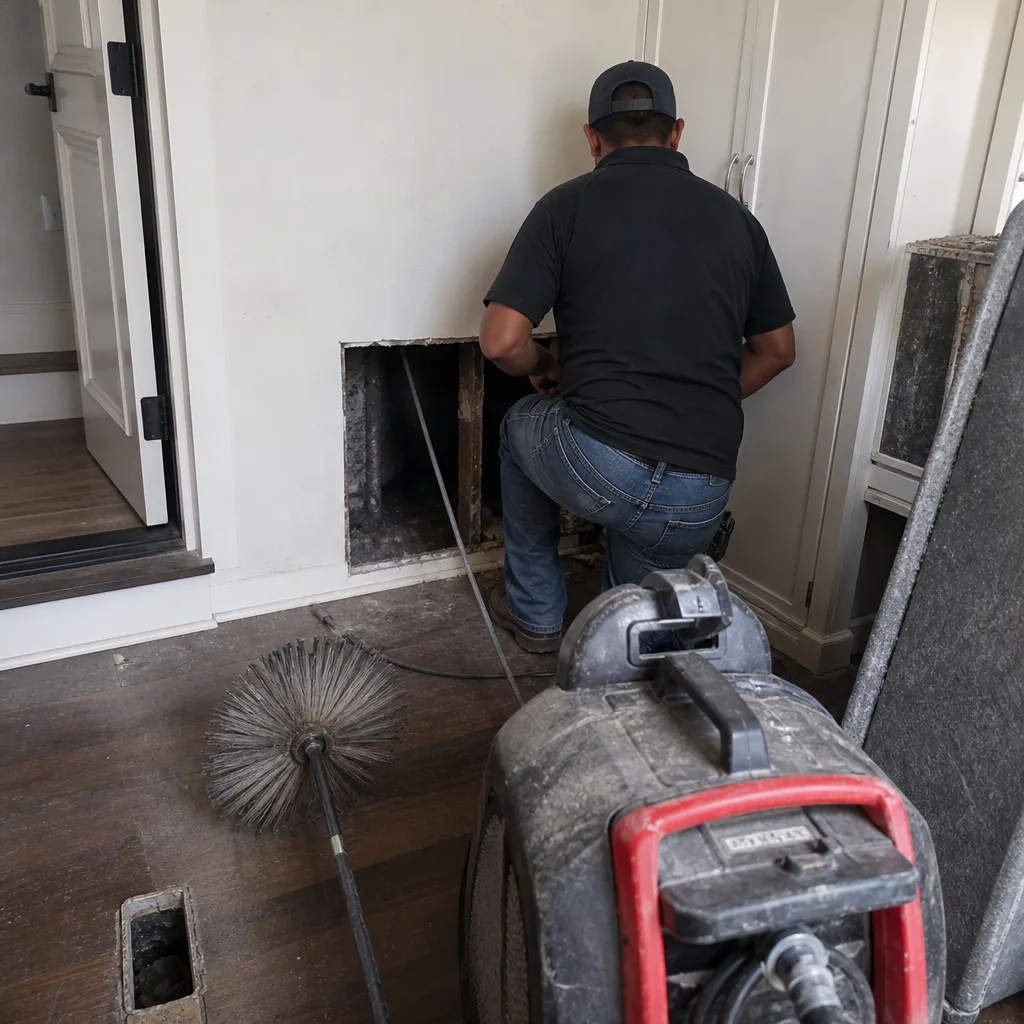 Before
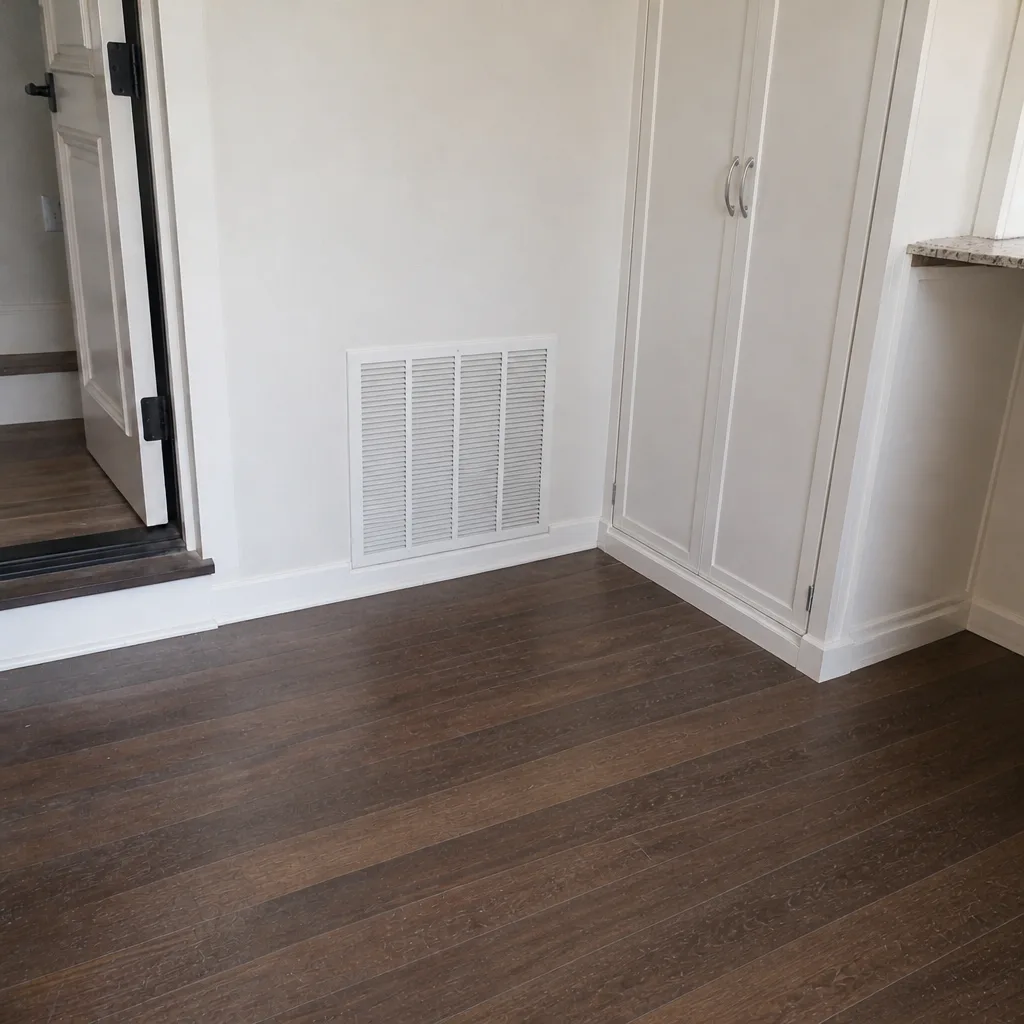 After
 Before
 After
 Before
 After
Frequently Asked Questions
There’s no single interval that fits every home, but most homes benefit from a professional assessment every few years, with the interval shortened after renovation, storm intrusion, or persistent odor. Your log tells you when the system state is sliding, which is a better trigger than a fixed calendar. Call (855) 726-7524 for a free estimate and we’ll help you read your own record.
A shop vacuum isn’t a duct cleaning system. It lacks the containment and reach to clear the plenum and runs, and it can push debris into the living space. Professional systems like Rotobrush and Nikro are purpose-built for the job. Your safe role is observation, not intervention.
Mustiness after rain usually points to moisture reaching the system, whether through attic intrusion, condensation, or humidity the ducts are holding. It’s worth logging the event and booking an inspection rather than waiting for it to clear on its own. Call (855) 726-7524 to schedule an assessment.
Cleaning alone won’t guarantee a lower bill, but sealed, well-maintained ducts help the system run more efficiently. If your bill has risen without a rate change, the system is worth checking. A proper inspection, including repair and sealing where needed, addresses the airflow problems behind many bills.
Yes, in most cases. Renovation dust gets pulled into the return system and settles deep in the ducts. Log the project, check filters weekly during work, and schedule an assessment once construction ends. That reset is one of the most commonly missed steps.
A higher-grade filter catches more but doesn’t replace duct maintenance. Debris still settles in the runs and plenum, and filters need consistent change-outs. Learn more about HVAC cleaning so you understand what the system needs beyond the filter.
The Bottom Line
A maintenance checklist that works for The Heights is a running record of conditions, not a dated reminder. Log filter condition, register dust, odor, and room temperatures on a consistent schedule, and calibrate it to the local climate calendar with extra attention to humidity and post-storm checks. Treat renovation as a reset event. Rate your system on the same 1-to-5 scale every time so you can compare honestly and spot inconsistency in any technician’s assessment. The result is a system you understand and act on before air quality drops. Call (855) 726-7524 for a free estimate. We answer 24/7, with fast dispatch from 7am to 7pm, Sunday through Friday.
Written by the team at Air Duct Cleaning The Heights.