
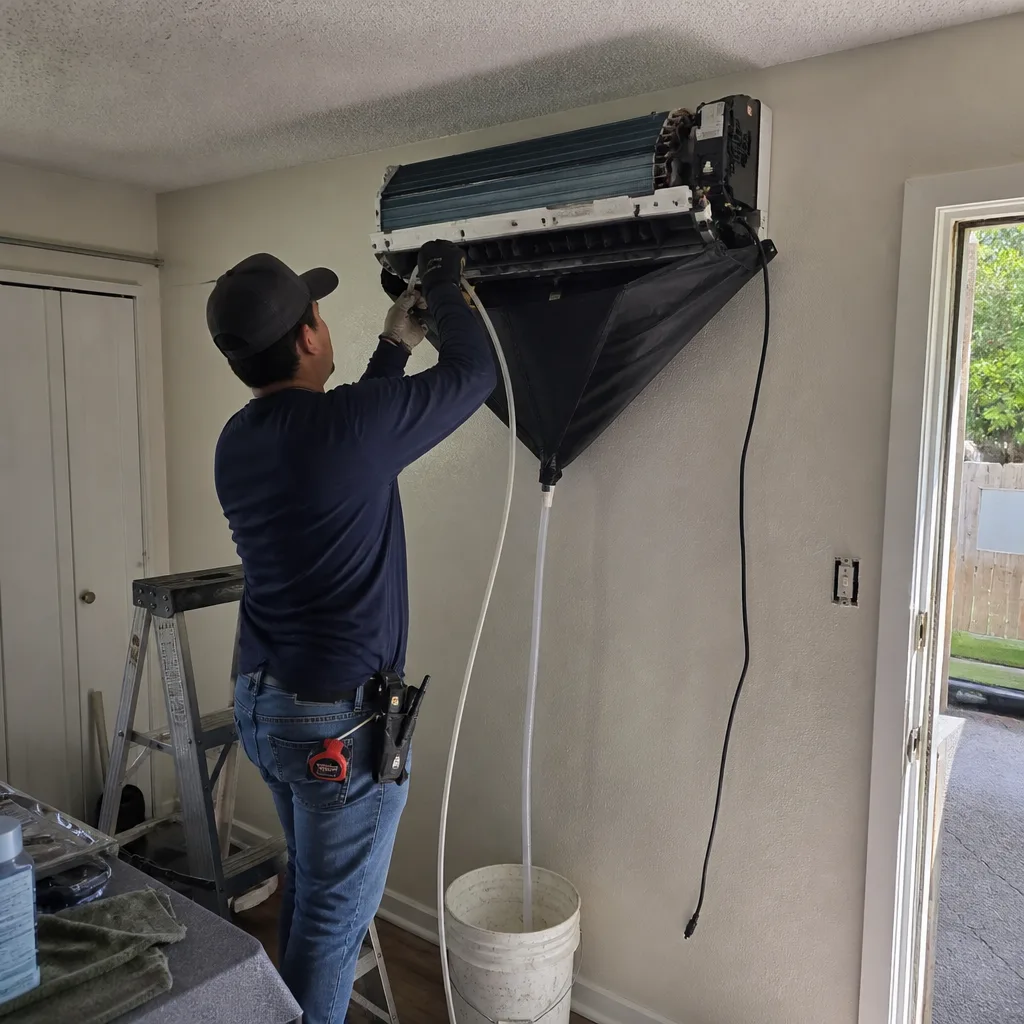
Last updated November 25, 2026
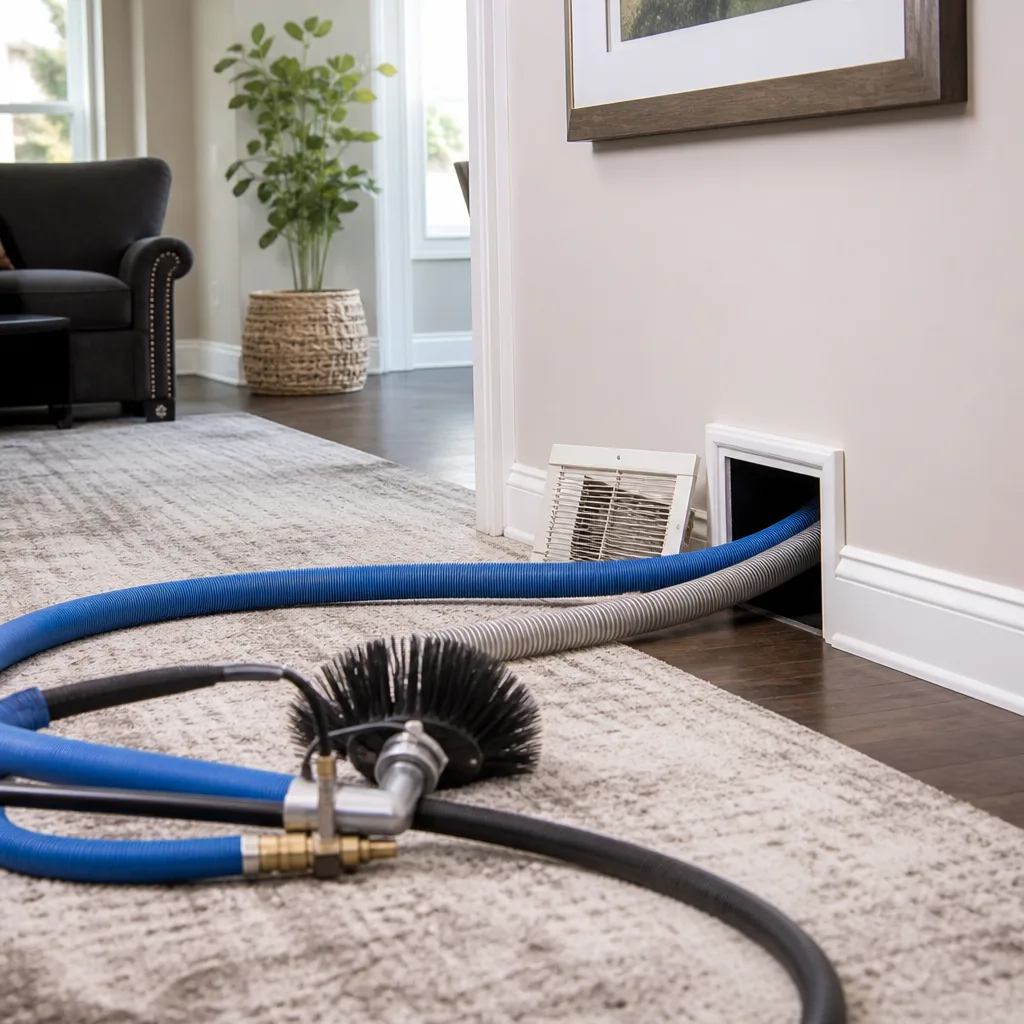 Whole-home duct cleaning
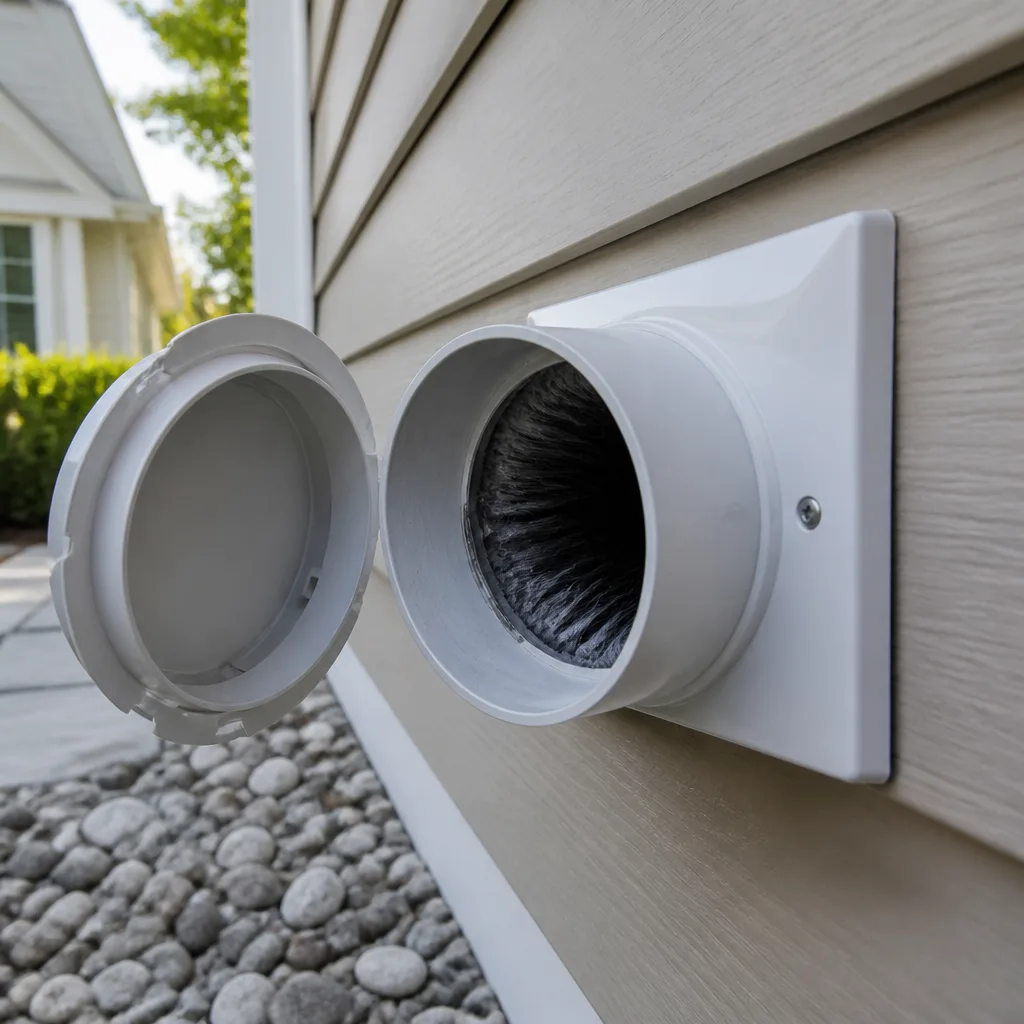 Dryer vent cleaning
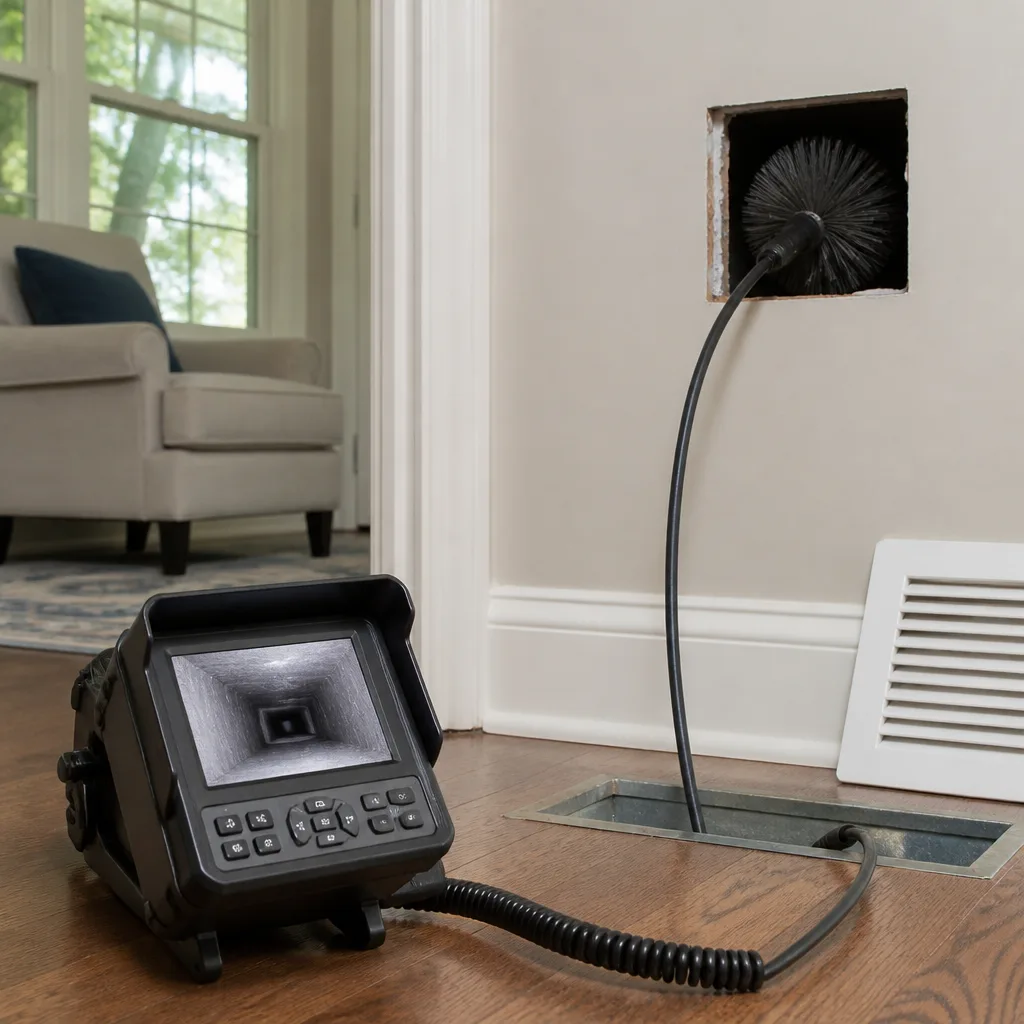 Camera inspection
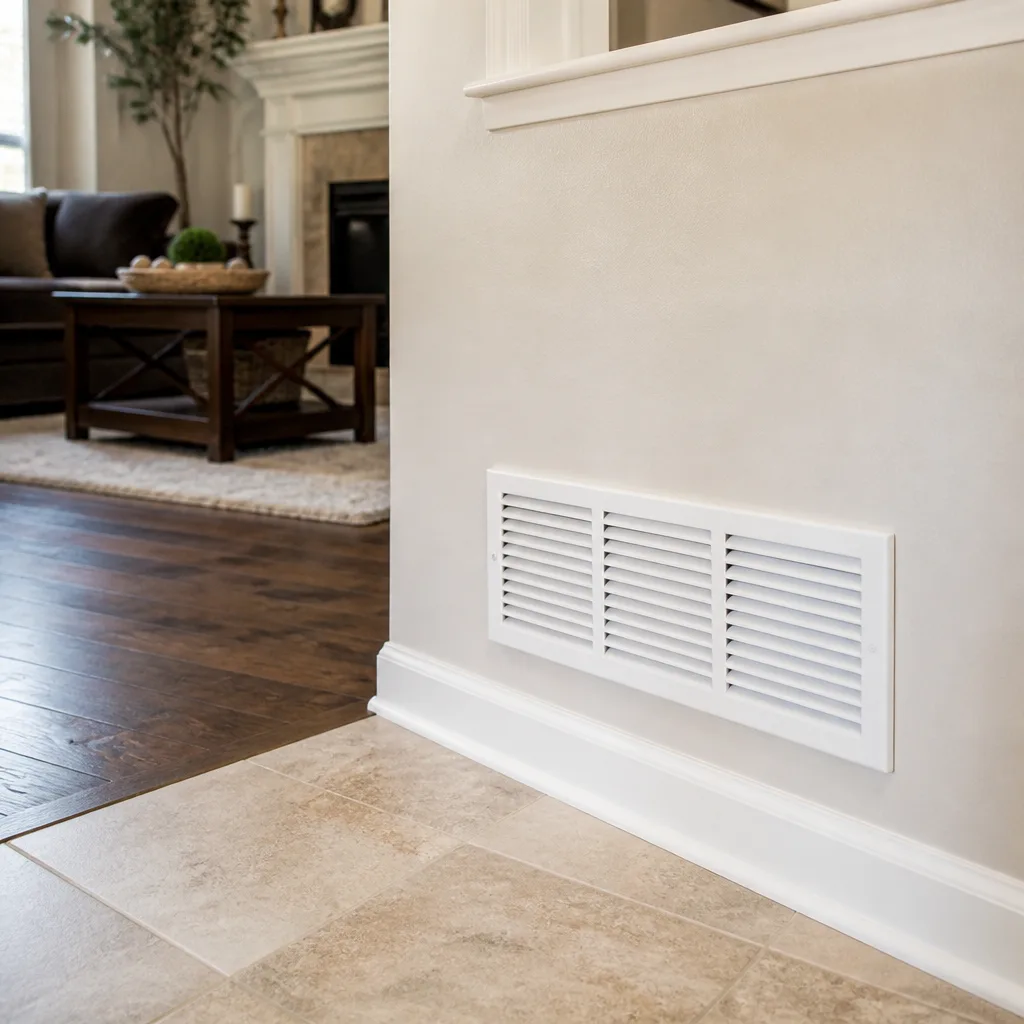 Sanitizing & deodorizing
Whole-system duct and dryer vent check with before-and-after photos - you see exactly what came out of your vents
That "$99 whole-house special" is a bait ad - the real number appears once they are in your hallway, or the "clean" is a shop-vac at the register. We photograph the inside of your ducts before and after instead.
Air Duct Cleaning Permits, Codes & Inspections in The Heights, TX: What You Need to Know
If a technician cuts into your ductwork, installs an access panel, or applies a sealant to your plenum and doesn’t mention permits, that’s usually not because no permit is needed. It’s because they’re hoping you won’t ask. Cleaning a duct system and altering one are two very different things in the eyes of the Texas mechanical code, and the line between them runs right through a lot of The Heights homes. This guide walks through where that line sits: what’s typically permit-free, what counts as regulated mechanical work, how the City of Houston code applies inside The Heights’ historic district, what Texas expects of anyone running sanitizing treatments, and the paperwork you should have in hand before a single fastener comes out.
Quick Answer
Routine air duct cleaning usually needs no permit in The Heights, but duct repair, duct replacement, added access panels, UV or air-quality equipment installation, and plenum modifications are mechanical work that falls under Texas HVAC licensing and City of Houston mechanical code. Ask any contractor for their TDLR license status and a written scope before work starts, because the homeowner – not the contractor – ends up carrying the liability when unpermitted work is found.
Styles & brands we work with
- Whole-home duct cleaning
- Dryer vent cleaning
- Camera inspection
- Sanitizing & deodorizing
Table of Contents
- Cleaning vs. Mechanical Work: Where the Permit Line Sits
- How Houston’s Mechanical Code Applies to The Heights Ductwork
- Verifying a Contractor: TDLR and the Texas HVAC License
- Sanitizing Treatments: EPA-Registered Products and Documentation
- Pier-and-Beam Homes and Crawl-Space Access Work
- What to Request in Writing Before Any Duct Work
- Inspections: What Gets Looked At and When
- A Step-by-Step Checklist to Verify Your Contractor
Cleaning vs. Mechanical Work: Where the Permit Line Sits
Cleaning is maintenance. Mechanical work is construction. That’s the simplest way to hold the distinction in your head.
When we clean a duct system in The Heights, we’re removing accumulated dust, debris, and biological growth from inside a duct network that stays exactly as it was built. We’re not changing the shape of the system, not opening new holes in it, not altering how it connects to the air handler. Nobody is altering the mechanical system. No permit is triggered.
The moment the work changes the mechanical system itself, the picture shifts:
- Cutting a new access panel into a trunk line or plenum to reach a section of duct: this is a modification to the duct system, and in most jurisdictions that means it’s mechanical work.
- Repairing or replacing duct runs: new ductboard, new flex, new sheet metal sections, all of it falls under mechanical standards.
- Sealing the plenum with mastic or an approved sealant: plenums are part of the mechanical air distribution system, not a cosmetic surface.
- Installing UV or air-quality equipment: anything wired into the HVAC system or mounted inside the ductwork is a mechanical addition.
- Resizing or rerouting a duct run: this affects the load calculation for the whole system and crosses squarely into mechanical territory.
The rule of thumb we give homeowners: if the duct system goes back the way it started and nothing was added, removed, or rerouted, it’s cleaning. If the system comes out different than it started, it’s mechanical work and you should ask about permitting before anyone touches a tool.
For the actual cleaning scope, see air duct cleaning.
How Houston’s Mechanical Code Applies to The Heights Ductwork
The Heights sits inside the City of Houston, and Houston enforces a mechanical code based on the international model codes plus local amendments. Duct systems installed in a residence are meant to comply with that code: material standards, thickness, support spacing, sealant classes, and the sizing of the return and supply network.
Two things make this more complicated in The Heights than in a newer subdivision:
First, a large share of The Heights housing stock dates back decades. Duct systems in these homes have often been modified repeatedly by previous owners, sometimes with mixed materials and sometimes with duct runs that would not pass a fresh inspection today. When a technician opens a system like that and changes anything, the work needs to be brought up to current standards, not just patched to match what was already there.
Second, the historic district overlay adds a layer of review on exterior changes. The overlay applies to things like exterior equipment placement, visible additions, and changes to the street-facing footprint of a home. Ductwork running entirely inside the house usually sits outside that review. But if a mechanical change requires a new exterior unit, a new penetration through an exterior wall, or a change to something visible from the street, the historic district process can come into play. Ask the contractor to tell you in advance whether their scope touches anything exterior.
The practical takeaway: for interior duct repair and cleaning in The Heights, the City of Houston mechanical code is the primary reference. For any work that reaches the exterior envelope, the historic district overlay adds a second layer, and it’s worth confirming with the city before work begins.
Verifying a Contractor: TDLR and the Texas HVAC License
Texas regulates air conditioning and refrigeration contractors through the Texas Department of Licensing and Regulation. A contractor doing mechanical work on a duct system – repair, replacement, equipment install – is expected to hold the appropriate HVAC license through TDLR, and TDLR maintains a public license search that anyone can use.
Here’s what to check before you hire:
- Look up the company on the TDLR license search. You want to confirm an active license, and you want the license type to match the work. A contractor doing full mechanical work needs more than a registered technician credential.
- Ask who will actually be on site. A licensed contractor can send technicians, but the license holder is responsible for the work. Ask for the license number and confirm the company name matches.
- Check insurance. The licensed local professional you hire should carry liability insurance and workers’ compensation coverage at the level their state requires. Ask for a certificate of insurance before the work starts and before anyone gets on a ladder.
- Match the license to the scope. A cleaner doing duct cleaning under a registered technician credential is operating in a different lane than a licensed mechanical contractor doing duct replacement. Ask which scope the license actually covers.
For a broader look at the everyday non-mechanical service, the “professional-grade equipment” question comes up constantly – and the answer is worth asking directly. Rotobrush and Nikro systems were built for duct cleaning; entry-level rigs aren’t. If a contractor won’t tell you what equipment they use, they’re telling you something.
For the dryer side of the system, the same licensing question applies once dryer vent work goes beyond cleaning: see dryer vent cleaning.
Sanitizing Treatments: EPA-Registered Products and Documentation
Sanitizing ductwork is regulated more tightly than most homeowners realize. The products used inside a duct system – especially anything applied as a fog, mist, or surface coating – need to be EPA-registered for the specific application. That means the product label states it’s intended for HVAC or duct surfaces, at the dilution and dwell times the label specifies.
What a credible sanitizing job in The Heights should include:
- Product identification: the name of the EPA-registered product being applied and confirmation of the registration number.
- Label-compliant dilution and contact time: this is where a lot of shortcuts happen. Applying a product above its label dilution or for less than its contact time is not a sanitizing treatment, it’s a spray.
- Containment during application: professional sanitizing work uses air-containment so the product goes where intended and the rest of the home stays protected. This is why we use Abatement Technologies air-containment equipment on applicable jobs – it’s the same containment standard used in professional remediation.
- Written documentation: product name, registration number, dilution, application method, and date. You should get this in writing, not a verbal “we sprayed something.”
Sanitizing work that involves anything wired into the HVAC system – a UV array, an in-duct air purifier – crosses over into mechanical installation and should be treated the same way as a duct repair permit question. Ask first. For the wider picture, see the whole-house scope at HVAC cleaning.
Pier-and-Beam Homes and Crawl-Space Access Work
A lot of The Heights homes sit on a pier-and-beam foundation with a crawl space below. That physical detail matters for duct work in a way that doesn’t come up in slab-on-grade neighborhoods.
When ductwork runs through a crawl space, the technician has to get under the house to reach it. Sometimes that’s a straightforward crawl. Sometimes it isn’t, and reaching a duct run requires moving insulation, disconnecting a section of duct, or opening access in a way that touches the structure of the crawl space or the floor above.
Where it triggers code questions:
- Structural modifications to the crawl space: cutting a joist, altering a support pier, or changing the clear opening in a way that affects structure. Structural changes are outside a duct cleaner’s scope.
- Insulation that’s part of the building thermal envelope: removing and re-installing insulation in a way that isn’t restored can affect the home’s energy performance and inspection profile.
- Duct runs near the ground: crawl-space ductwork that runs low or sits against soil should be inspected closely. If a repair calls for rerouting the duct, that’s mechanical work.
- Access panels added in the floor or wall: any new opening in a structural assembly is a modification, not cleaning.
Crawl spaces under The Heights homes also tend to be humid, and humid crawl spaces are hard on flex duct. The combination of humidity, duct runs pressed against joists, and older materials means duct systems down there often need more than a clean – they need diagnosis. That’s why we treat duct repair and sealing as a service that belongs on the same visit as cleaning: we clean it, then we seal it, with the same people on site both times.
What to Request in Writing Before Any Duct Work
If you ask for the right paperwork and the contractor can’t produce it, that tells you more than any review ever will. Here’s what to request, in writing, before the work starts:
- A written scope of work that lists exactly what will be cleaned, what will be modified, and what will be added. “Clean ducts” is not a scope. “Clean supply and return duct network, replace two flex runs in the crawl space, add one access panel at the air handler” is a scope.
- A statement of whether the work requires a mechanical permit and, if it does, who is pulling it. In most jurisdictions the permit is the contractor’s responsibility, and you want that confirmed in writing.
- The contractor’s TDLR license status and the license type, plus a certificate of insurance.
- Product list for any sanitizing treatment: EPA-registered product name, registration number, and application method.
- Before-and-after photos of your own ducts – standard practice on a credible cleaning job, and it’s how you know the work was actually performed.
- A flat price per system, agreed before work starts, so the final invoice matches the written estimate. No per-vent bait-and-switch, no surprise line items.
- What happens if the technician finds a problem mid-job: who you call, whether work pauses, and whether a revised estimate is required before any additional work is done.
That last one is the one that saves homeowners grief. A technician who finds unexpected duct damage mid-job should stop, document it, and hand you a written estimate for the next step. Not a verbal “$800 and we’ll handle it.”
Inspections: What Gets Looked At and When
An inspection is where the code question becomes real. If the work is permitted, the city inspection looks at whether the work matches the permit and meets the mechanical code. If the work was done without a permit and something fails later, an inspector seeing unpermitted modifications can require corrective work.
What a mechanical inspection of duct work in The Heights typically covers:
- Material and installation standards: duct material thickness, support spacing, and the sealant class used at joints.
- Sealing and connections: that the duct network is properly connected, sealed at joints and plenums, and doesn’t leak at the points where it meets the air handler or the supply registers.
- Access: that the system is reachable for future service without cutting new holes each time.
- Air quality equipment: if a UV system or air purifier was installed, whether it was wired and mounted consistent with the manufacturer’s instructions and the code.
One more inspection layer that isn’t a city inspection: many duct systems benefit from a proper diagnostic pass before cleaning, using visual and camera inspection to locate actual buildup, damaged duct sections, and disconnected runs. That’s the inspection that determines whether the job is a clean or a repair. Our technicians have up to 8 years of experience on both.
A Step-by-Step Checklist to Verify Your Contractor
Here’s the flow we’d recommend to any homeowner or property manager in The Heights planning duct work in the next few months:
- Call and describe the job. Ask whether it’s cleaning, repair, or both. A company that treats those as the same job usually doesn’t have the licensed crew for the second one.
- Ask for the TDLR license number and check it. The search is public.
- Ask whether their scope requires a mechanical permit. If they say no, ask why not, in writing.
- Get the written scope and the written estimate, per system, not per vent.
- Ask for before-and-after photos as part of the deliverable, not as an optional extra.
- Ask what equipment they use. Rotobrush and Nikro are the professional-grade duct-cleaning systems most serious operators use.
- Ask who shows up. Licensed contractor, technicians, insurance in force – get it in writing.
If any of those answers stall, that’s your answer. The contractor who happily provides documentation is the one you want; the one who deflects is telling you where the paperwork would end up.
Common Mistakes to Avoid
- Accepting a per-vent price quote. Per-vent pricing is designed to sound small, then balloon once the technician is in the attic counting vents. Ask for a flat price per system, in writing. In The Heights, the attic conditions can add real time to a job, and that’s precisely why a flat price protects you.
- Assuming “no permit needed” means “no license needed.” Cleaning under a registered technician credential is a different lane than duct repair under a mechanical contractor’s license. If the scope involves changing the duct system, check the license type.
- Letting a technician spray a sanitizing product with no documentation. You want the product name, the EPA registration number, and the dilution on paper. No paperwork, no confidence.
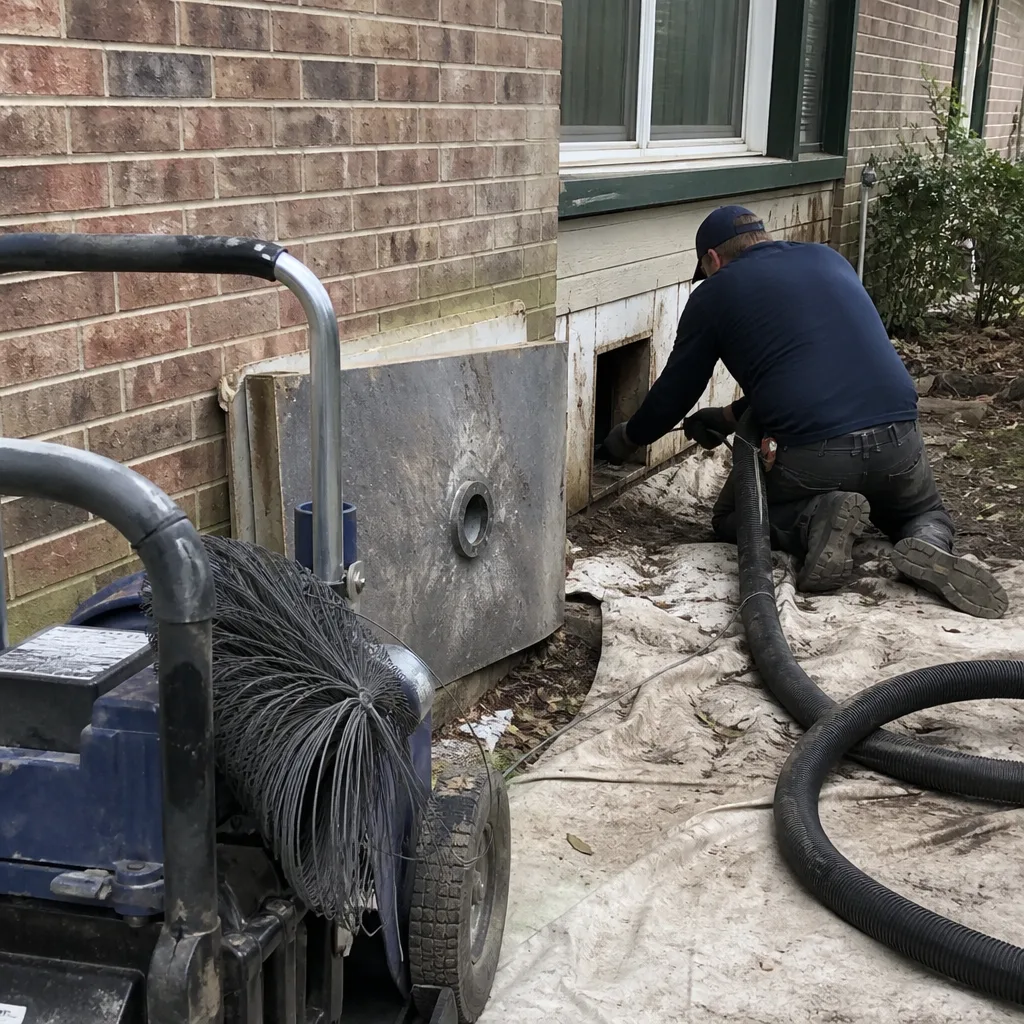
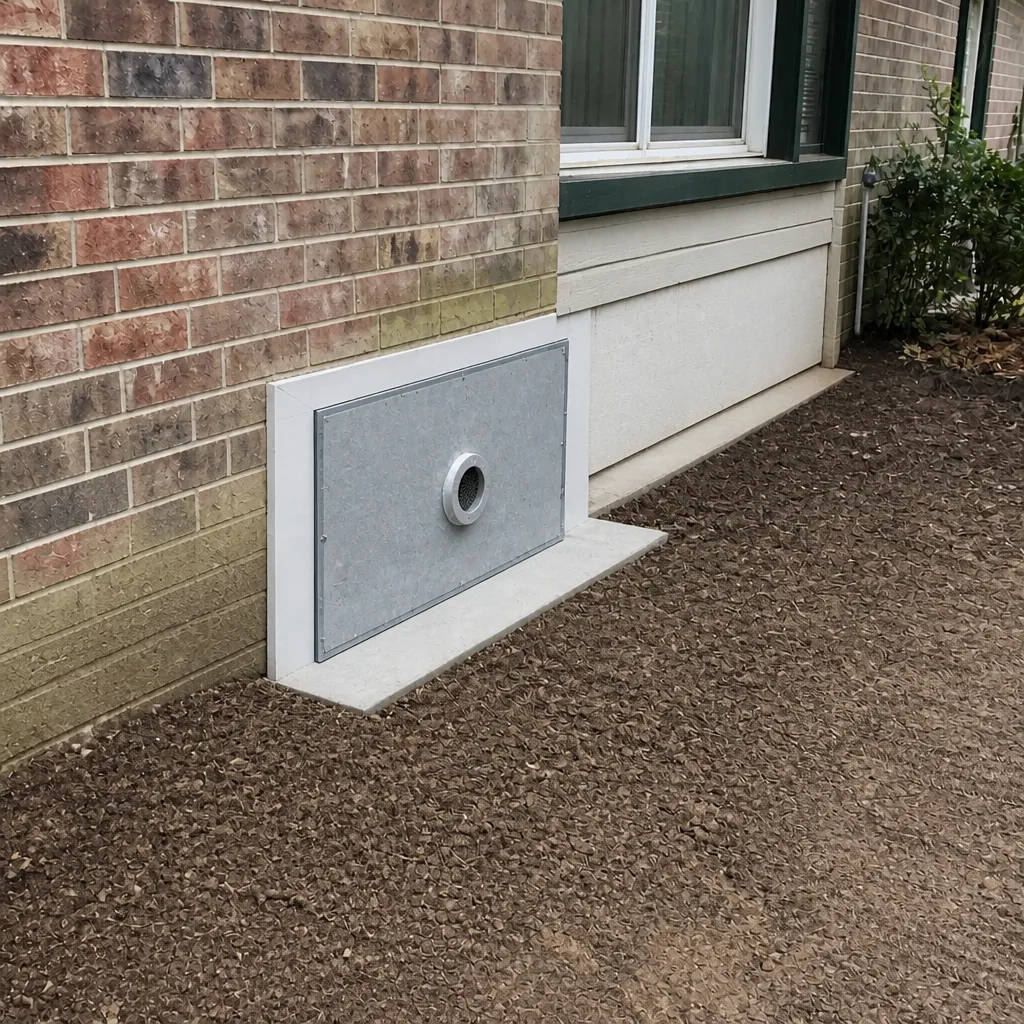
- Skipping the crawl space check on a pier-and-beam home. A lot of The Heights duct systems live below the floor. If a contractor cleans the attic runs and skips the crawl-space runs, they cleaned half the system.
- Signing off on an unbranded “before-and-after” that looks like stock. Ask for photos of your ducts, taken on your job, on the day of the work.
- Assuming the historic district overlay is irrelevant because the work is interior. Interior duct work rarely triggers the overlay, but anything that changes the exterior envelope or visible equipment can. Ask up front.
- Hiring a company that skips containment. Air-containment during cleaning and sanitizing keeps the dust where it belongs. Small thing, big difference on a finished interior. Guardsman-grade surface protection is a standard we hold ourselves to on every job.
See the difference
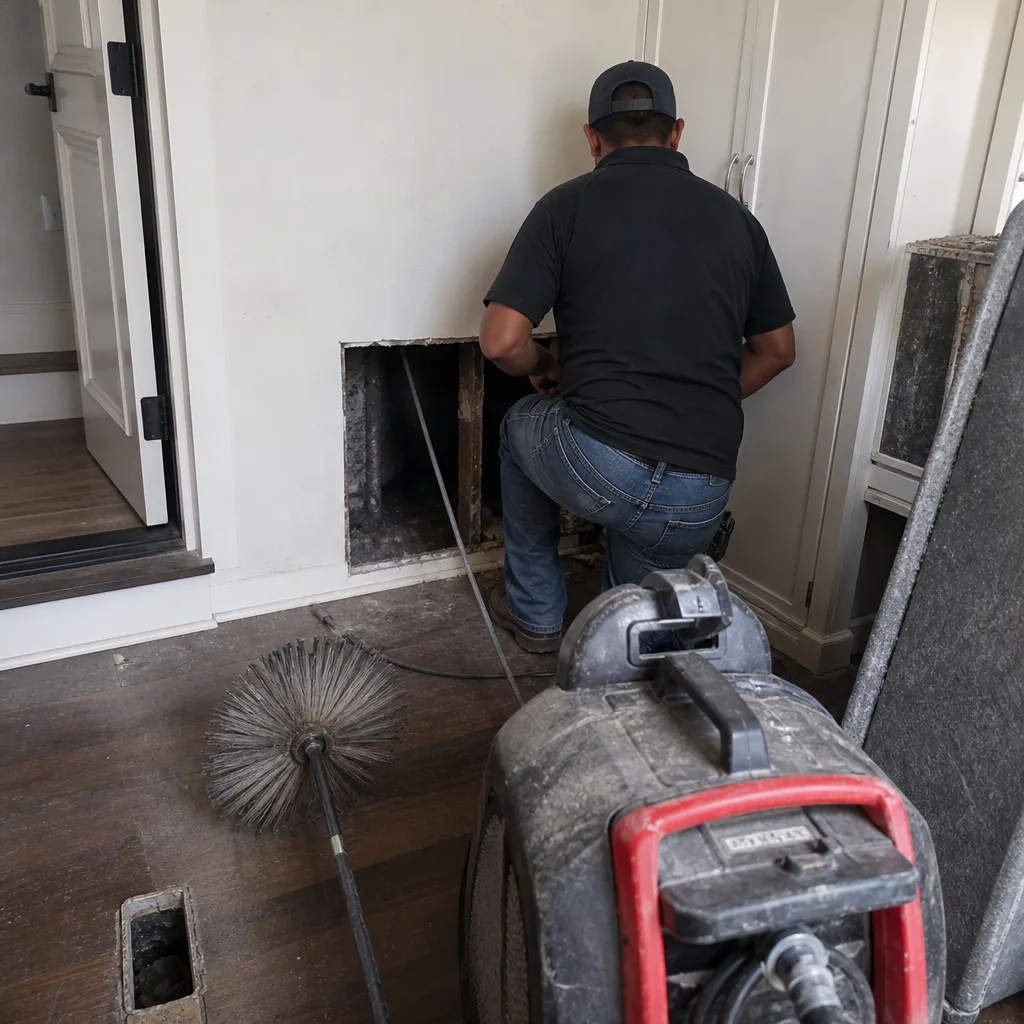 Before
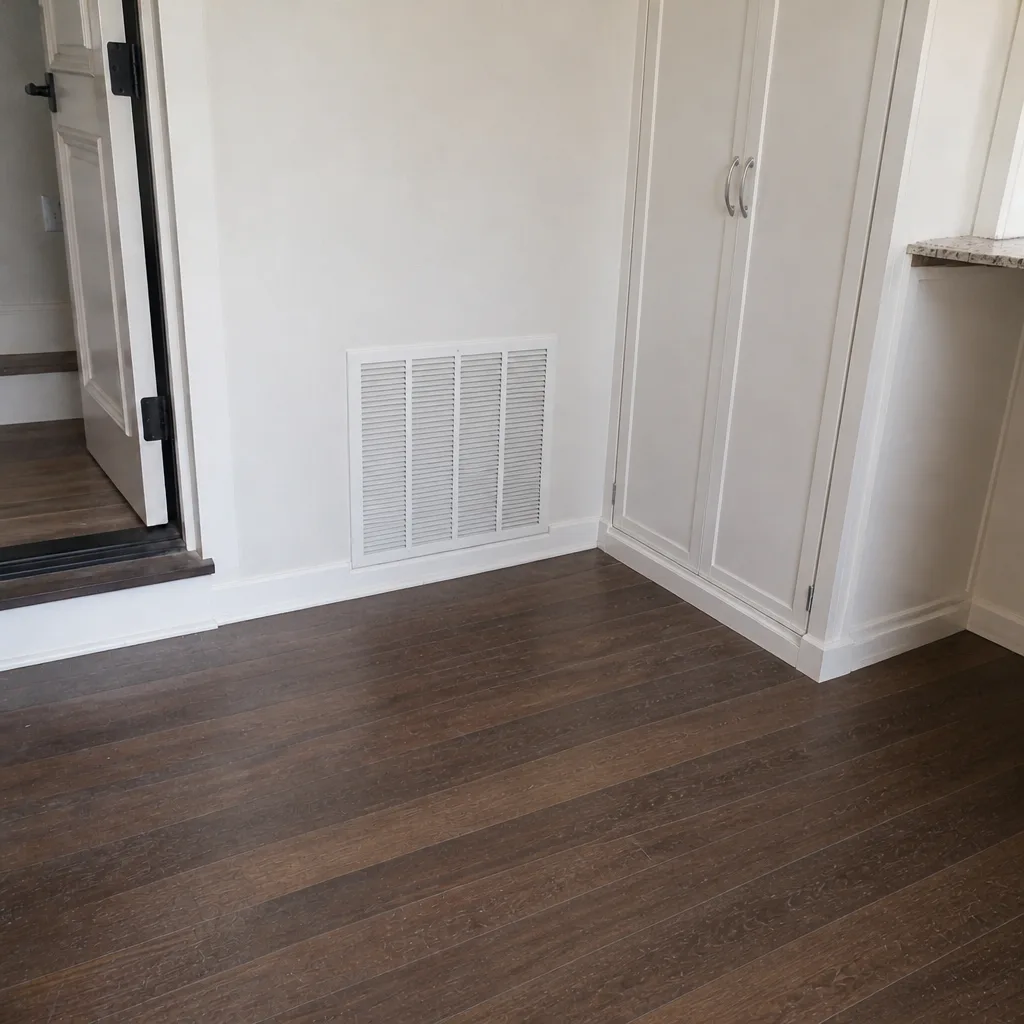 After
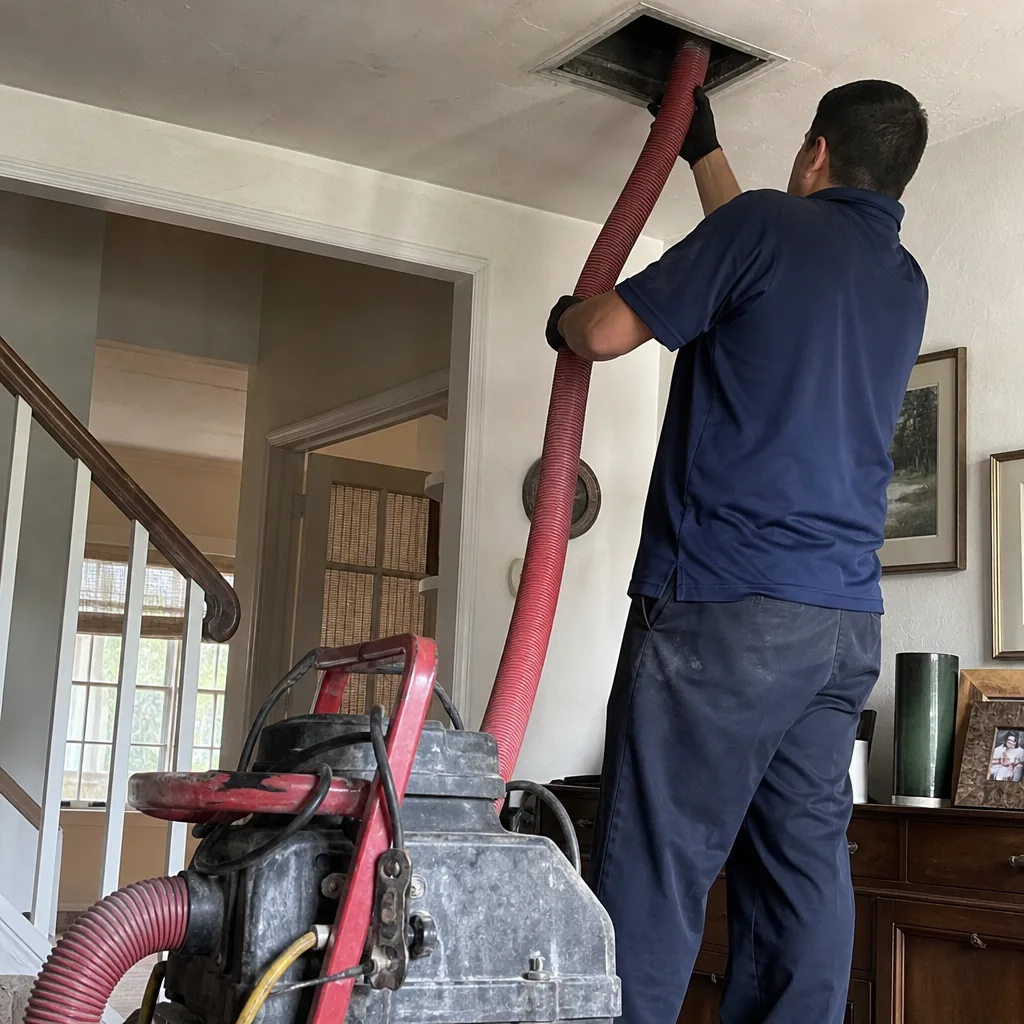 Before
 After
 Before
 After
When to Call a Professional
Some duct work isn’t a “wait and see.” If you’re noticing musty odors that worsen when the system runs, a visible dust film on surfaces even after regular cleaning, a run of allergy symptoms that tracks with the HVAC schedule, or an energy bill that’s climbing without a clear cause, those are signals worth a diagnostic visit. The same is true if the home has a pier-and-beam crawl space you’ve never had inspected, or if a prior duct repair was done without documentation. Air Duct Cleaning The Heights offers free estimates in The Heights – call (855) 726-7524. We answer 24/7. Fast dispatch from 7am to 7pm, Sunday through Friday. Estimates are free, and the written estimate sets the final price. Any licensed local professional you hire should carry insurance at the level their state requires.
Frequently Asked Questions
Routine air duct cleaning usually does not require a permit in The Heights. Cleaning removes debris from an existing duct system without changing how it’s built. The permit question only comes up when the work crosses into mechanical modification: duct repair, duct replacement, added access panels, plenum changes, or installation of air-quality equipment. If a contractor modifies the duct system, ask who is pulling the mechanical permit. Call (855) 726-7524 for a free estimate – we answer 24/7.
Verify a Texas duct contractor through the Texas Department of Licensing and Regulation’s public license search, which shows active status and license type. Confirm the license covers the scope of work, not just cleaning. Ask for a certificate of insurance before work starts, and ask who will actually be on site. The licensed local professional performing the work carries liability insurance and workers’ compensation coverage at the level their state requires. We answer 24/7 at (855) 726-7524 for any questions about scope.
Sanitizing products applied inside ductwork must be EPA-registered for that specific use, at the label’s dilution and contact time. Any application should be documented in writing: product name, EPA registration number, dilution, method, and date. Professional sanitizing work also uses air-containment to keep the product inside the system. Our containment standard on applicable jobs uses Abatement Technologies equipment – the same standard used in professional remediation. Call (855) 726-7524 for a free estimate.
Pier-and-beam homes have duct runs in the crawl space, not a slab, so cleaning and inspection have to reach below the floor as well as the attic. The crawl space is also humid, and that humidity stresses flex duct over time – sealing and repair matter as much as cleaning. Structural changes to the crawl space are outside a duct cleaner’s scope; only a licensed mechanical contractor should alter structure. We answer questions about crawl-space scope at (855) 726-7524.
Ask for before-and-after photos of your own ducts, taken on the day of the work. That’s the simplest verification and it should be standard, not a special request. A flat written price per system, a written scope, and photos of the actual work protect you in a way no coupon ever will. Call (855) 726-7524 for a free estimate – the written estimate sets the final price.
Interior duct work usually does not trigger the historic district overlay in The Heights. The overlay applies to exterior changes – visible equipment placement, exterior penetrations, and changes to the street-facing footprint. If a duct job requires anything on the exterior envelope, ask the contractor to confirm before work starts. Call (855) 726-7524 with questions – we answer 24/7.
The Bottom Line
Cleaning your ducts in The Heights is usually permit-free. Repairing, resizing, or modifying them is not – it’s mechanical work under the Texas HVAC license framework and the City of Houston mechanical code. The Heights-specific layer is the pier-and-beam crawl space, the historic district overlay on exterior changes, and older duct systems that don’t always match a fresh inspection. Anyone cutting into your ductwork should be able to tell you whether the scope is cleaning or mechanical work, and show you the license and documentation to back it up. Get the scope in writing. Get the flat price in writing. Get the photos after.
Whether the job is a straight cleaning or a repair-and-seal combined visit, the right provider handles it under one roof without subcontracting. See the full picture of what we do in The Heights by starting at Air Duct Cleaning The Heights.
Call (855) 726-7524 for a free estimate. We answer 24/7. Fast dispatch from 7am to 7pm, Sunday through Friday. Closed Saturday – a call that comes in on Saturday is booked into the next opening, Sunday through Friday, 7am to 7pm. The written estimate sets the final price, and the trained local pro is licensed and insured as their state requires.
Written by the team at Air Duct Cleaning The Heights.