
Last updated November 25, 2026
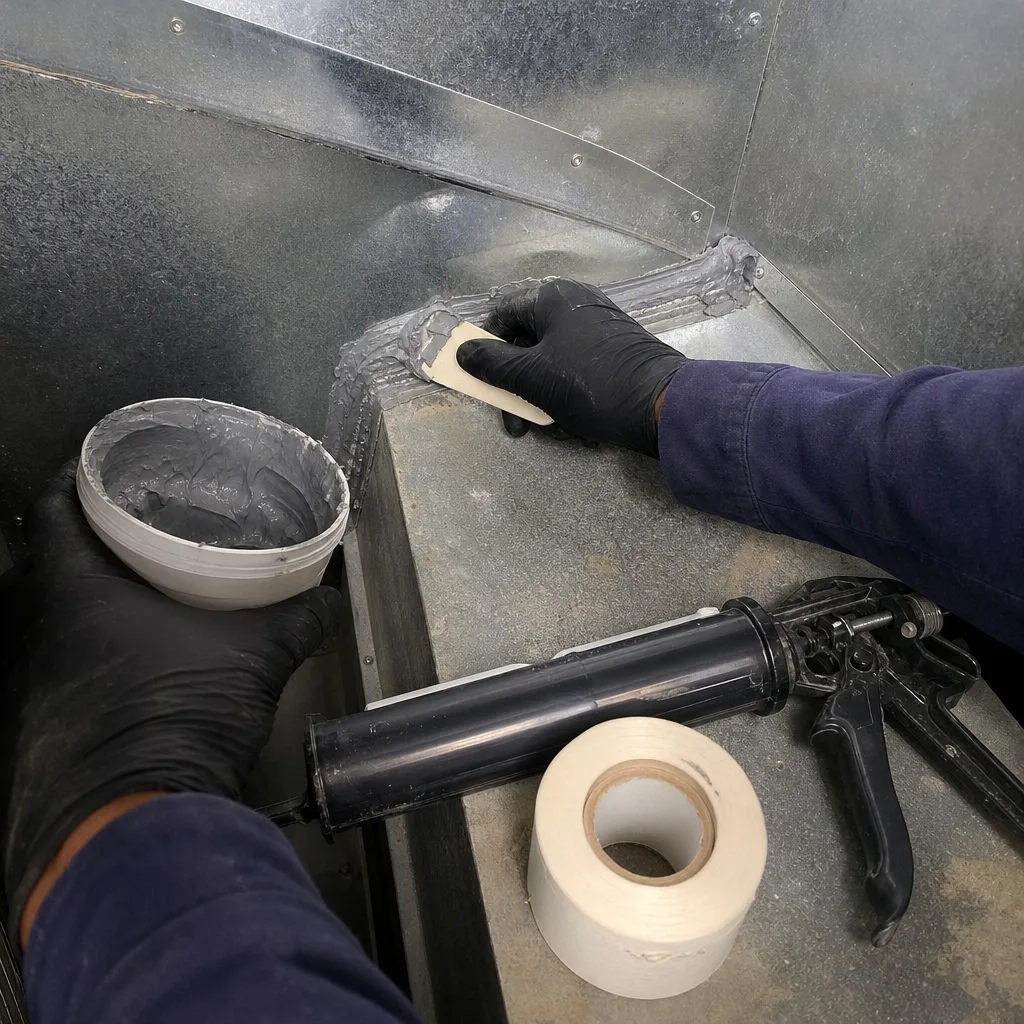
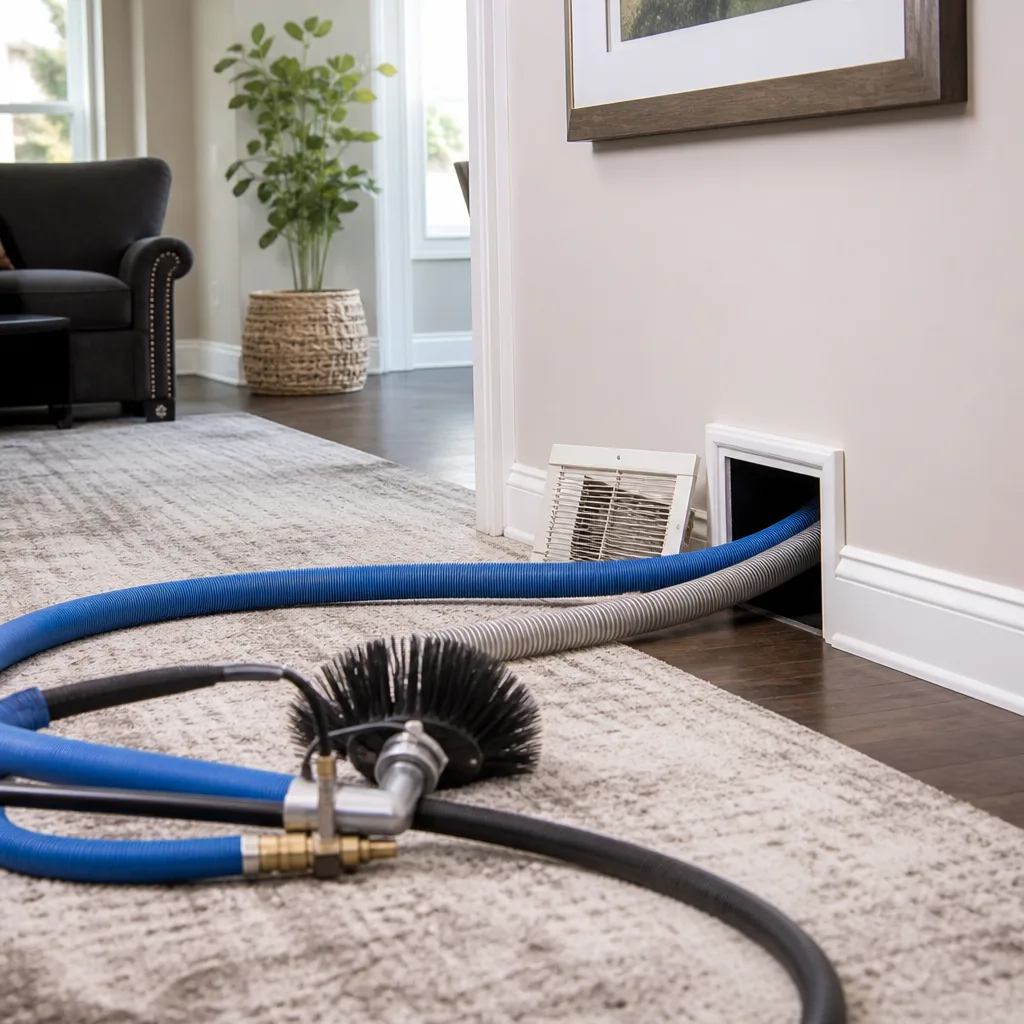 Whole-home duct cleaning
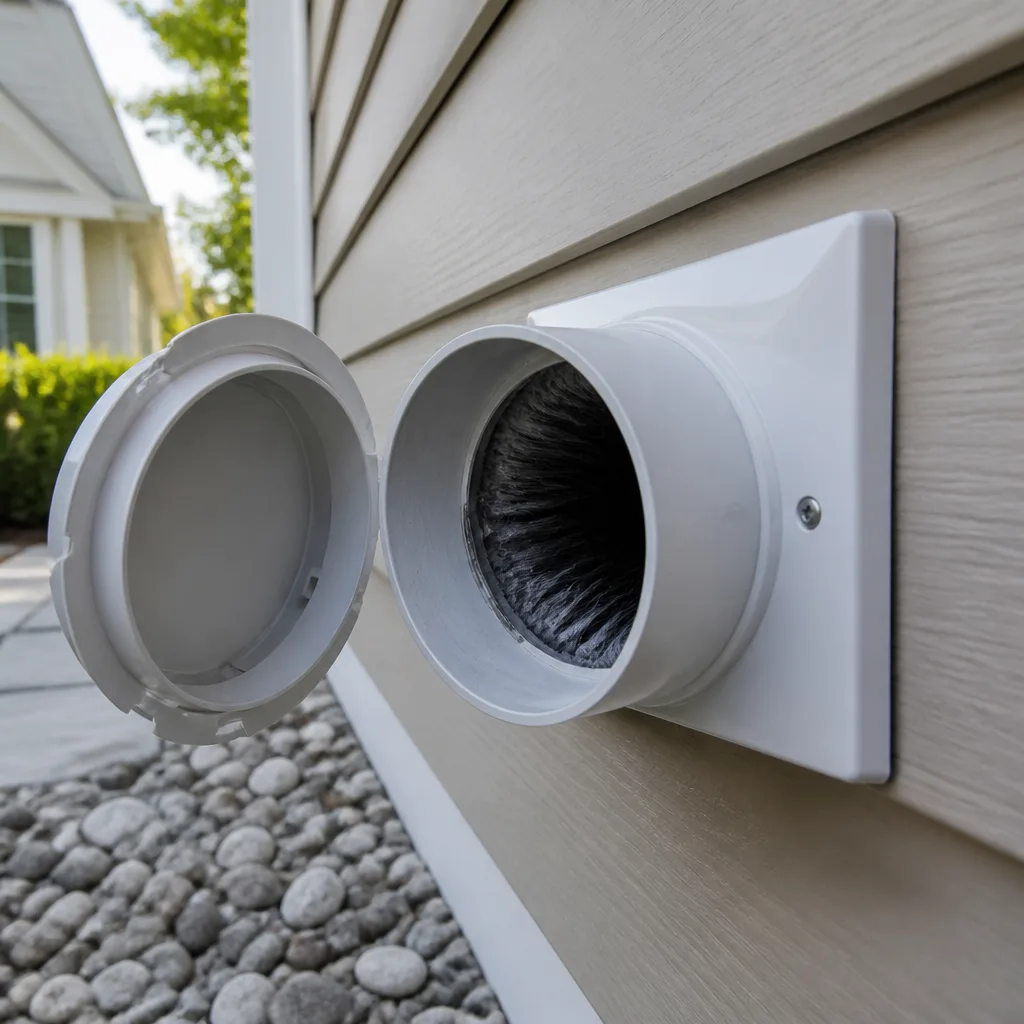 Dryer vent cleaning
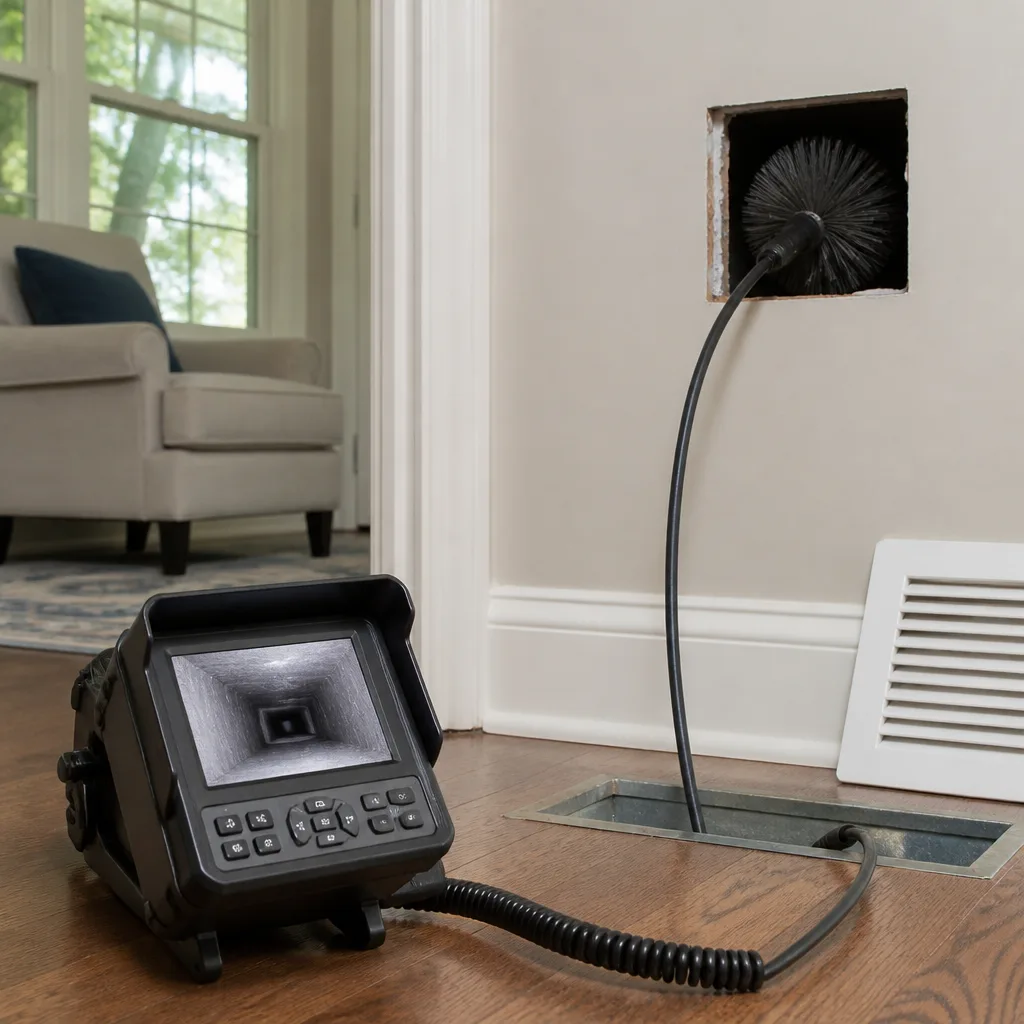 Camera inspection
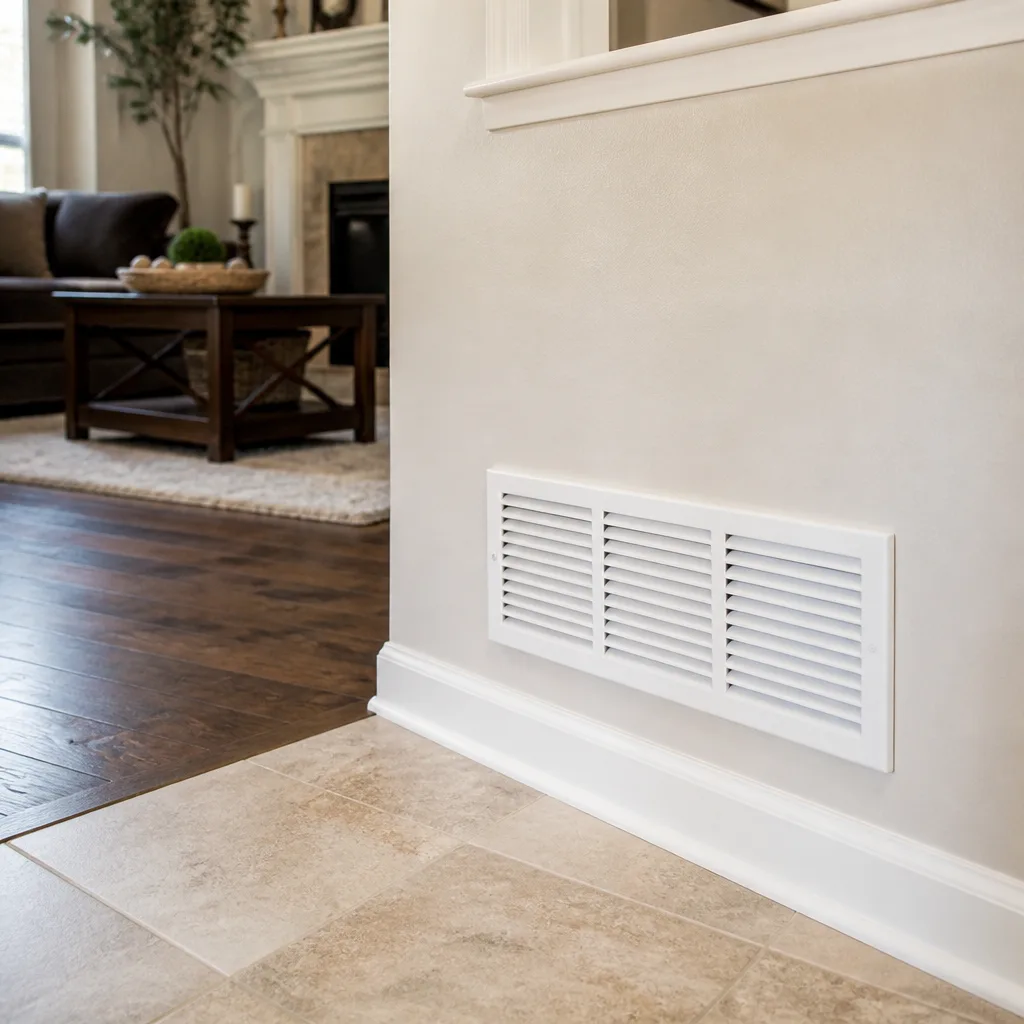 Sanitizing & deodorizing
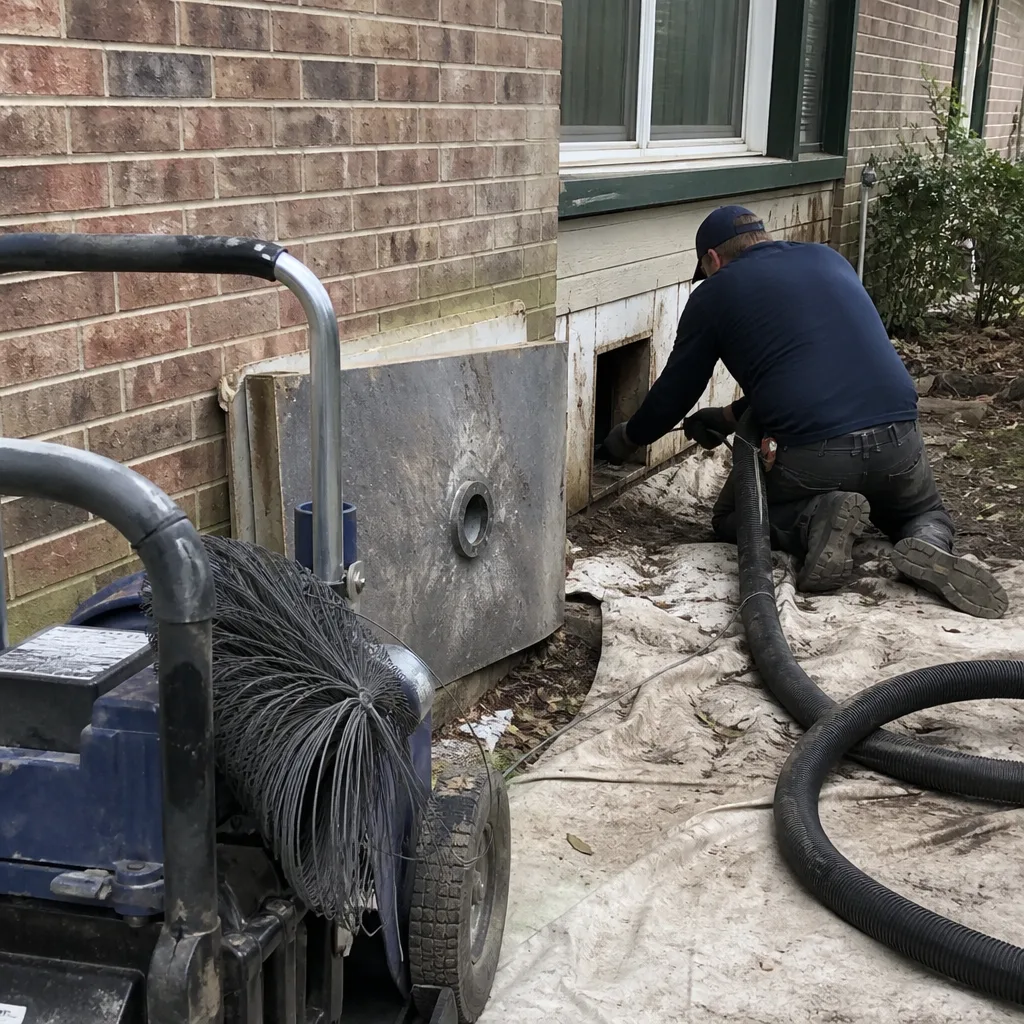
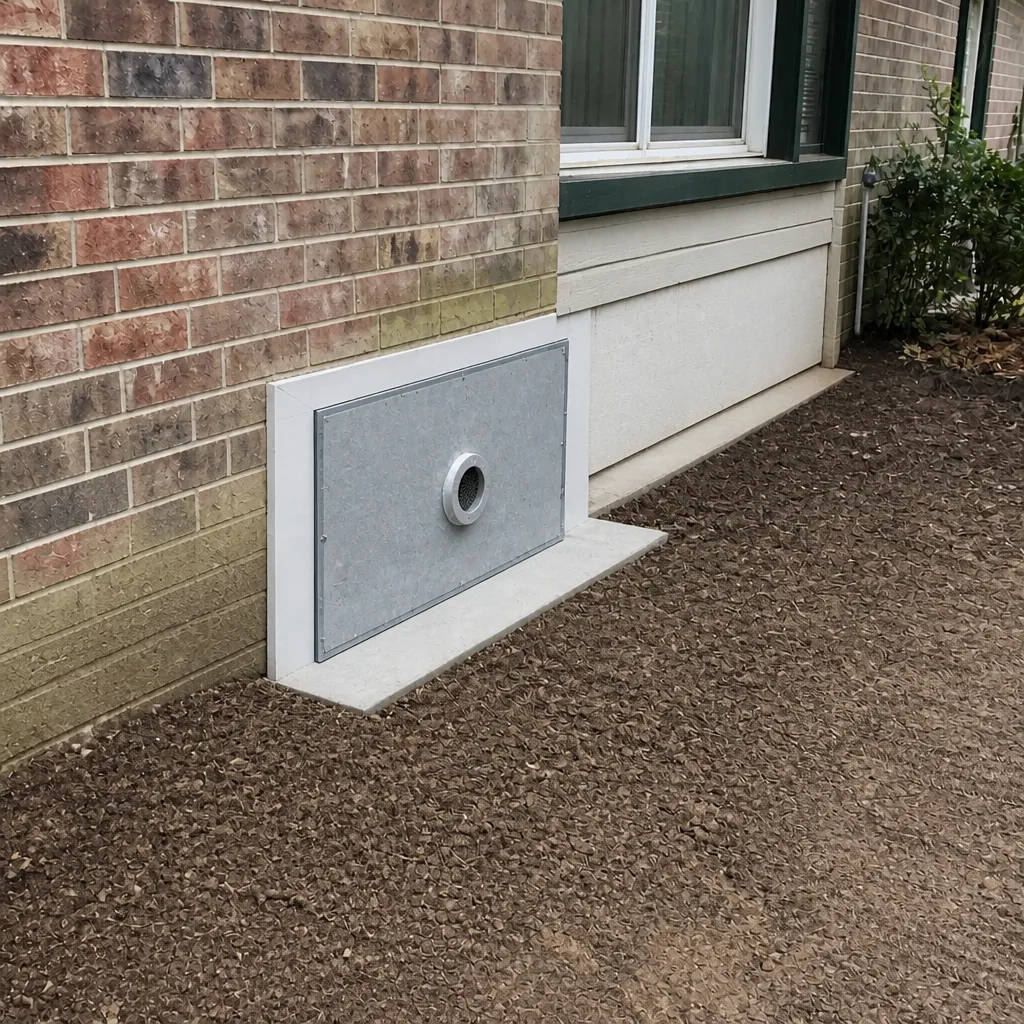
Whole-system duct and dryer vent check with before-and-after photos - you see exactly what came out of your vents
That "$99 whole-house special" is a bait ad - the real number appears once they are in your hallway, or the "clean" is a shop-vac at the register. We photograph the inside of your ducts before and after instead.
Air Duct Cleaning Emergency Preparedness Guide for The Heights Homes
Most homeowners in The Heights treat visible water damage as the end of a storm problem. The drywall gets cut out, the flooring gets pulled, the baseboards get replaced. But the duct system that ran for 72 hours without power, pulling humid air through every branch line, usually doesn’t get touched for weeks. The smell shows up first. Then the dust. Then the allergy symptoms that won’t quit. This guide covers what actually happens to your ducts after a flood or extended outage in The Heights, how to assess the damage yourself before you call anyone, and when cleaning is enough versus when replacement is the only honest answer.
Quick Answer
After a flood or extended power outage in The Heights, your duct system has likely taken on moisture, debris, or both, and it needs a documented assessment before remediation begins. Cleaning with professional equipment handles most contamination cases, but saturated flex duct or flood-exposed ductwork in a slab-on-grade or pier-and-beam home can require replacement. Get photos, moisture readings, and a written scope before any work starts so your insurer has what they need.
Styles & brands we work with
- Whole-home duct cleaning
- Dryer vent cleaning
- Camera inspection
- Sanitizing & deodorizing
Table of Contents
- What Our Storm-Prone Climate Does to Duct Systems
- The Post-Storm Duct Assessment Protocol
- What Happens Inside Your Ducts During a Power Outage
- Slab-on-Grade vs. Pier-and-Beam: Different Homes, Different Risk
- When Cleaning Is Enough, and When It Isn’t
- How to Document Duct Damage for Insurance
- Building an Emergency Kit for the Whole System
- Prevention: What to Do Before the Next Storm
What Our Storm-Prone Climate Does to Duct Systems
The Heights sits in a metro that gets hit by tropical systems and the flooding that comes with them. That means your ductwork faces two threats that most cleaning advice ignores entirely: bulk moisture intrusion from floodwater and storm-driven debris, and the slower problem of high humidity that never fully clears out of the system once it’s inside.
Floodwater in The Heights is not clean water. When it rises into a crawlspace or breaks a seal near the foundation, it carries silt, organic material, and whatever it picked up on the way. If your ducts run through an affected crawlspace, that material can enter through compromised joints, disconnected collars, or seams that weren’t sealed in the first place. Wind-driven debris is the other side of it: torn insulation, roof material, and yard debris that gets pushed into outdoor air intakes or return grilles during the worst of a storm.
The humidity piece is what most homeowners underestimate. Our climate holds moisture in the air long after the water recedes, and a duct system that’s been breached can hold standing condensation in low points of flex runs for days. That’s why the visible damage and the duct contamination don’t arrive at the same time.
In our experience, the homes in The Heights that come through storms with the least duct damage are the ones where the system was tight to begin with. Duct repair and sealing work done before storm season pays for itself in exactly these events, which is why we treat sealing as a native part of what we do rather than an add-on. You can read more about how that fits into the bigger picture on our air duct cleaning The Heights page.
The Post-Storm Duct Assessment Protocol
You can run a meaningful inspection yourself before you call anyone. This isn’t a substitute for a professional moisture assessment, but it tells you what you’re dealing with and gives you a starting point for a conversation with your insurer. Here’s the protocol we recommend for The Heights homeowners after any flood or severe storm event.
- Check every register face. Remove each supply and return grille. Look for visible moisture, dark staining, rust on the screws or damper, and any debris sitting on the register face. Rust on a metal register after a storm is a moisture signal, not a cosmetic issue.
- Read moisture at the register face. A pin or pinless moisture meter held against the register face and the visible duct interior tells you whether the system is wet. Readings in the same range as the surrounding walls are normal. Readings that stay elevated for 48 hours after the storm are a red flag that needs professional attention.
- Smell test each room. A musty, damp, or stale odor from one register points to a localized problem in that branch. A smell from every register points to the main trunk or the air handler itself.
- Inspect the air handler cabinet. Open it and look for standing water, wet insulation on the inside of the cabinet, or rust on the blower housing. This is the single most important check because everything downstream of the air handler gets pulled through it.
- Look at the outdoor intake and return grilles. Storm debris in the outdoor intake is common after a tropical system. Clear anything visible and note what you found for your records.
- Photograph everything before you touch it. We’ll cover exactly what photos your adjuster needs in the documentation section below.
If your moisture readings at the register face are still elevated three or four days after the storm, or if you smell a consistent musty odor from multiple registers, that’s your signal to call for a professional assessment. Our team uses Abatement Technologies containment equipment on affected jobs, the same standard used in professional remediation work, precisely because we need to isolate the system before we dig into it.
What Happens Inside Your Ducts During a Power Outage
Here’s the part of post-storm duct damage that almost nobody talks about: the power outage is often worse for your ducts than the storm itself. When the HVAC system shuts down for an extended period in our climate, the duct system becomes a closed box full of warm, humid air. That’s the ideal environment for mold colonization on the interior surfaces of flex duct.
The timeline matters. Within the first 24 hours, condensation forms on any cool surface inside the system: the metal of the air handler cabinet, the interior of the plenum, the foil backing on flex duct. Between 48 and 72 hours, if the interior stays above roughly typical indoor humidity and the temperature is right, mold spores that were already present (they’re always present in small amounts) begin to colonize. By the time power comes back and you notice the smell, the colonization is established.
This is why the first thing we ask on a post-outage call is how long the system was off. A six-hour outage in The Heights is not the same problem as a three-day outage. The longer the system was down, the higher the probability that the interior of the flex duct needs more than a standard cleaning.
- Under 12 hours: Run the system, watch for musty smell, and check the drain pan. Most systems recover without intervention.
- 12 to 36 hours: Run the system, check register faces for moisture after 24 hours, and watch for a smell during the first two days of operation.
- Over 48 hours: Assume the interior of the system took on moisture. Get a professional moisture assessment on the air handler cabinet and the first 6 feet of every branch run.
A professional assessment here means calibrated moisture readings and a visual inspection with a camera. If the system needs more than cleaning, we can also integrate Aprilaire or Honeywell air-quality controls into the recommendation so the same humidity problem doesn’t recur the next time the power goes down.
Slab-on-Grade vs. Pier-and-Beam: Different Homes, Different Risk
The Heights has a mix of housing stock, and the two most common construction types here handle flood events in very different ways. Knowing which one you have tells you where to look first and what kind of remediation you’re likely facing.
Slab-on-Grade Homes
On a slab-on-grade home, the ducts are typically run in the attic or in soffit chases, with the supply registers either in the ceiling or in the floor. Floodwater is less likely to reach attic ductwork directly. The big risk here is the return plenum and the air handler cabinet if they sit below the flood line, and the outdoor air intake which pulls storm-driven moisture straight into the system during a prolonged outage.
Slab homes in The Heights also tend to have the air handler in the attic or a closet. If your air handler sits in a closet that took on water, the suction side of the system has been pulling humid air from a wet room for the duration of the outage. That’s a contamination problem even if the ducts above stayed dry.
Pier-and-Beam Homes
The older pier-and-beam homes in The Heights are the higher-risk category for post-flood duct damage. When ductwork runs through the crawlspace and the crawlspace floods, water contacts the duct insulation and the flex duct itself. Flex duct that has been submerged or saturated needs replacement, not cleaning. The interior liner delaminates, the insulation loses its value, and the mold colonization that follows is inside the wall of the duct where no cleaning tool can reach it.
For pier-and-beam homes, the first thing to check after a flood is the crawlspace. If there was standing water under the house at any point, assume the ducts that run through there are compromised until a professional confirms otherwise. The rest of the guide on air duct cleaning covers what a standard cleaning involves, but flood-saturated ductwork is in a different category entirely.
When Cleaning Is Enough, and When It Isn’t
This is where honest advice matters most. A company that makes all its money on cleaning will tell you cleaning is always enough. We don’t. Here’s the line we draw for The Heights homes, and it’s the same line any remediation-grade contractor should draw.
Cleaning is sufficient when:
- The ductwork stayed dry or dried out naturally within 24 to 48 hours.
- Contamination is surface-level: settled dust, normal debris, or the smoke and odor residue from a nearby fire.
- The duct runs are intact with no sagging, no disconnected joints, and no visible moisture damage to the insulation or liner.
- The air handler cabinet is dry and free of rust.
- Moisture readings at the register faces have returned to normal.
Replacement is the honest answer when:
- Flex duct has been physically submerged in floodwater, even briefly.
- Moisture readings inside the duct interior remain elevated after 72 hours of running the system.
- The interior liner of the flex duct shows visible colonization or delamination.
- Duct insulation in a crawlspace is saturated and won’t dry.
- The system has been disconnected, crushed, or has collapsed sections from storm debris.
Cleaning a saturated duct run doesn’t fix the problem. It recirculates the moisture back into the airstream the moment the system comes back on. When we recommend replacement, it’s because the cleaning would be theater. When we recommend cleaning, it’s because the professional-grade equipment we run (Rotobrush and Nikro systems, not shop vacs) will actually resolve the contamination. Either way, “we clean it, then we seal it” is our default approach so the problem stays solved.
How to Document Duct Damage for Insurance
Adjusters work off documentation, not descriptions. A phone call saying “my ducts smell” doesn’t get paid. A file with moisture readings, photos, and a written scope does. Here’s what you need before you call your insurer or accept any remediation quote.
- Photograph each register before you clean anything. Close-up shot of the register face with the grille removed, plus a wider shot showing the register in the room for context. Use the same framing for every register so an adjuster can compare them quickly.
- Photograph the air handler cabinet with the panel removed. Include the interior of the cabinet, the blower housing, and the inside of the plenum. Rust and standing water need to be visible in the frame.
- Photograph the crawlspace ductwork if you have pier-and-beam construction. The water line on pier columns, the condition of the duct insulation, and any visible mud or silt on the ducts. This is the single most compelling set of photos for a flood claim.
- Record moisture readings with the date and location. A pin or pinless moisture meter reading taken at the register face and the crawlspace duct surface, written down with the room and the wing of the house, is more useful than a dozen photos.
- Write down the timeline. When the storm hit, how long the power was off, when the water entered, and when it receded. Adjusters build the claim off the timeline as much as the damage.
- Get the professional assessment in writing before remediation starts. A written scope with photographs and moisture readings, itemized so the adjuster can see what’s being claimed and why, is what makes the difference between an approved claim and a denial.
Our assessment report includes all of the above, and our technicians apply Guardsman-grade care standards while they’re working in your home so the documentation doesn’t come at the cost of your interior. If your insurer wants to send an adjuster first, get that visit scheduled before we cut or remove anything.
Building an Emergency Kit for the Whole System
Most emergency kits in The Heights focus on water, batteries, and medications, which is right. But the duct system deserves a spot in the kit too, because the decisions made in the first 48 hours after a storm determine whether remediation is a cleaning job or a replacement job.
- A pin or pinless moisture meter. These cost less than a dinner out and are the difference between guessing and knowing whether the system is wet. Keep it with your storm supplies.
- A phone flashlight or headlamp with fresh batteries. You’ll need both hands when you’re checking the air handler cabinet and the crawlspace.
- A waterproof bag for documentation. Photographs taken before, during, and after the event are worth more than any report you can write from memory a week later.
- A list of professionals to call. Put our number, (855) 726-7524, on the same list as your plumber and your electrician. If the power was off for more than 48 hours, you’ll need a duct assessment whether or not you can see damage.
- A small extractor or wet/dry vac for the air handler cabinet. Not for cleaning the ducts (you need professional equipment for that), but for getting standing water out of the cabinet if a storm pushes water into it.
If your home also has a dryer vent on an exterior wall, that vent becomes a debris entry point in a wind-driven rain event. Our dryer vent cleaning service also covers post-storm vent inspection, which is worth doing the same week you address the ducts.
Prevention: What to Do Before the Next Storm
Preparedness is cheaper than remediation. A few specific things done before storm season in The Heights make a real difference when the next system comes through.
- Seal the accessible ductwork. Disconnected joints and unsealed seams are the entry point for storm-driven debris and moisture. Duct repair and sealing done now means the system has fewer ways in when the next storm hits.
- Clear the outdoor intake cover of vegetation. Yard debris that lands on the intake becomes the debris that gets pulled into the system during operation.
- Set up a whole-home dehumidification control if you have one. Aprilaire and Honeywell controls let you hold indoor humidity to a target level even when the AC isn’t running at full load. That’s what protects the interior of the duct system during extended outages.
- Have your HVAC cleaning done before storm season. A clean system starts from a baseline. If the next event brings contamination in, you know any new dirt is new.
- Know your home’s construction type. Slab-on-grade or pier-and-beam, attic duct or crawlspace duct, air handler in the attic or in a closet. Write it down and put it with your storm documentation so you’re not figuring it out with a flashlight in the dark.
Common Mistakes to Avoid
- Turning the system back on before checking it. Running an HVAC system that took on water pushes moisture and debris through every branch line. Check the air handler cabinet and register faces first.
- Assuming a smell will clear on its own. In our climate, a musty smell after a storm almost always means the moisture is still there. It doesn’t dry out by running the system.
- Accepting a remediation quote before documentation. An adjuster needs photographs and moisture readings. If a contractor quotes before collecting those, you’re working without a foundation for a claim.
- Letting a low coupon price stand in for a real assessment. A flat price for a whole-system clean without any post-storm diagnostics is the signature of a company that isn’t equipped for remediation-grade work.
- Cleaning saturated flex duct instead of replacing it. Waterlogged liner can’t be cleaned out of the wall of the duct. Replacement is the only path that resolves the contamination.
- Overlooking the crawlspace in a pier-and-beam home. The ducts under the house are the ones most likely to be compromised. Owners who only check the attic miss the actual problem.
- Skipping the seal after cleaning. Cleaning without sealing leaves the next storm with the same entry points. The two belong together, in the same visit.
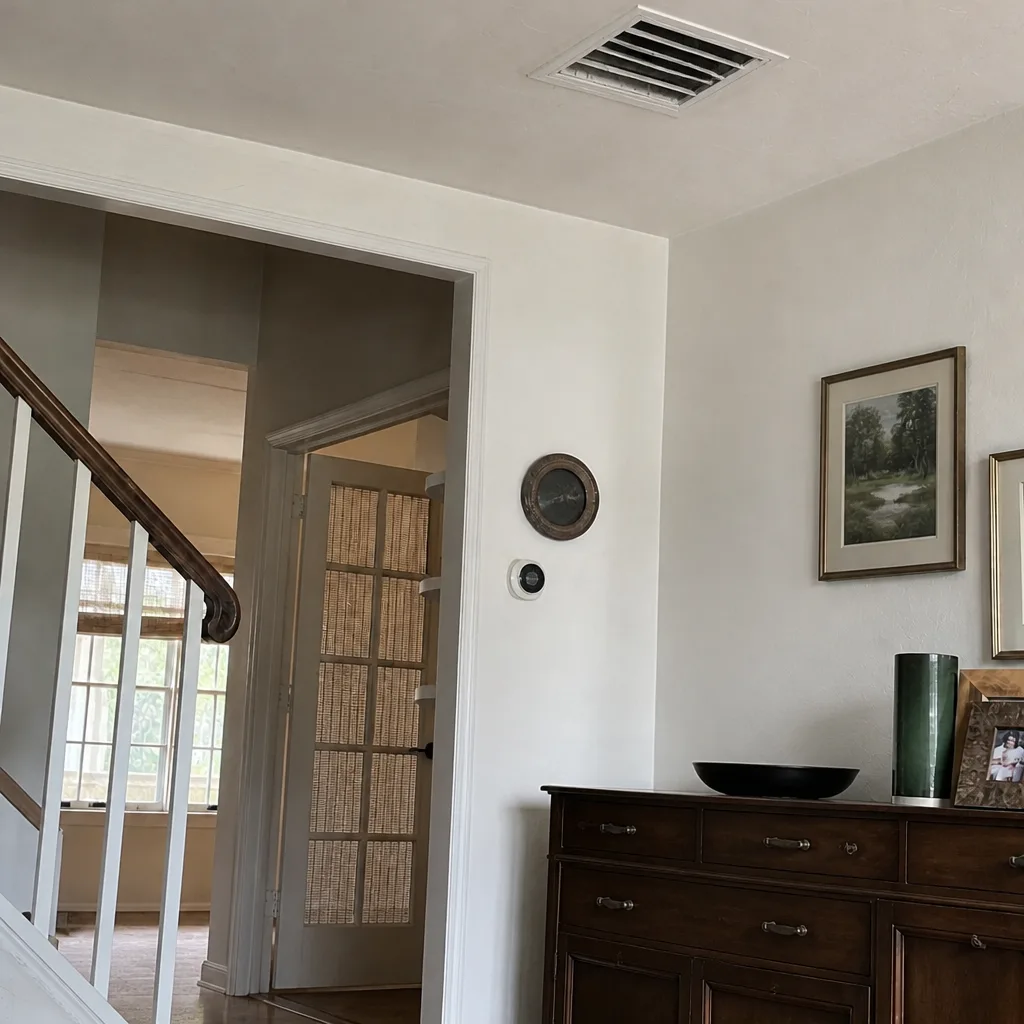
See the difference
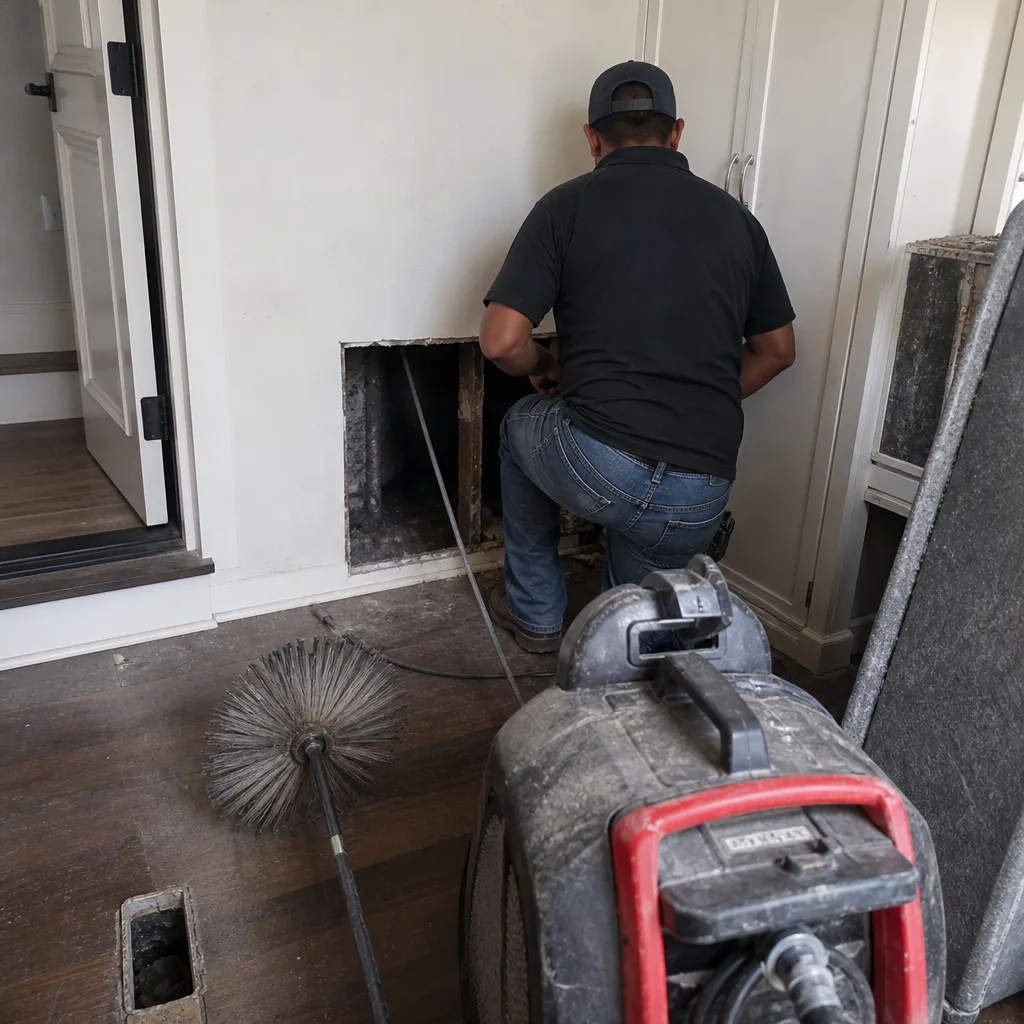 Before
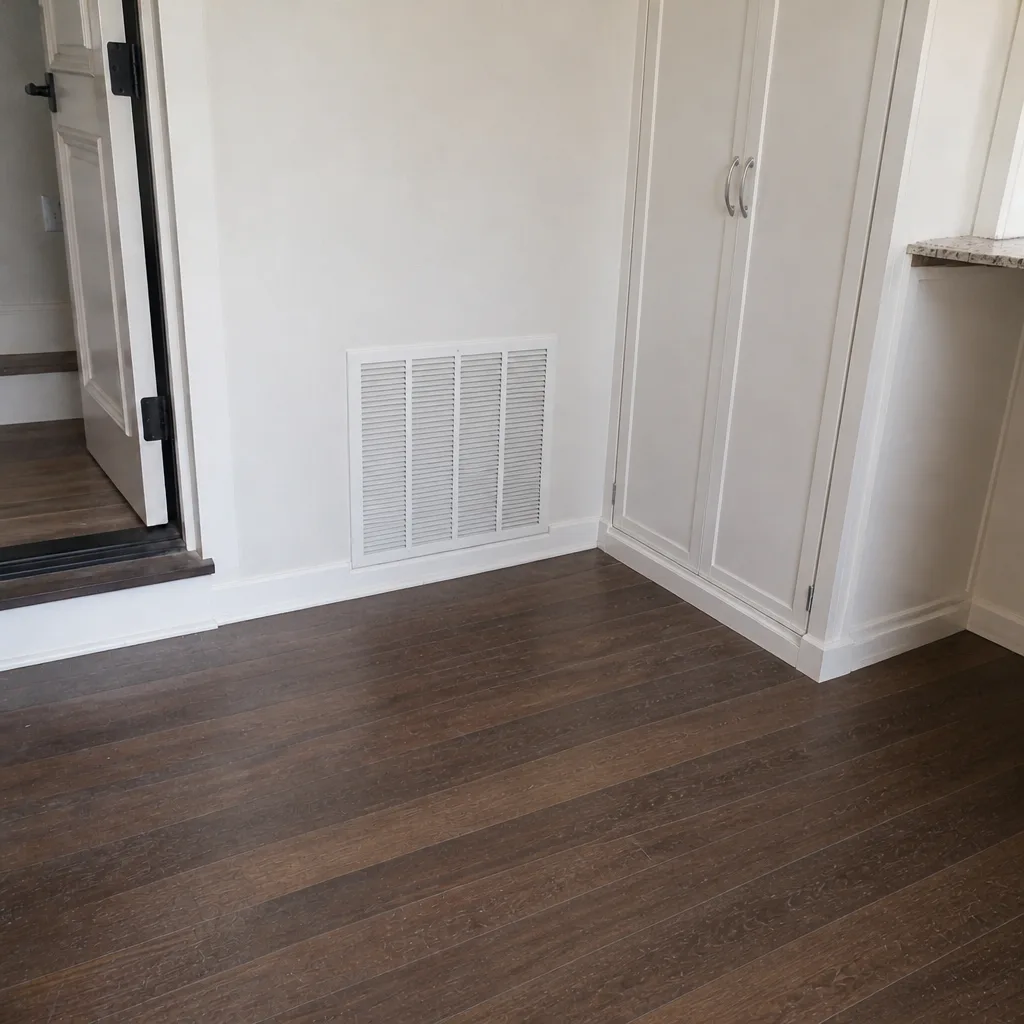 After
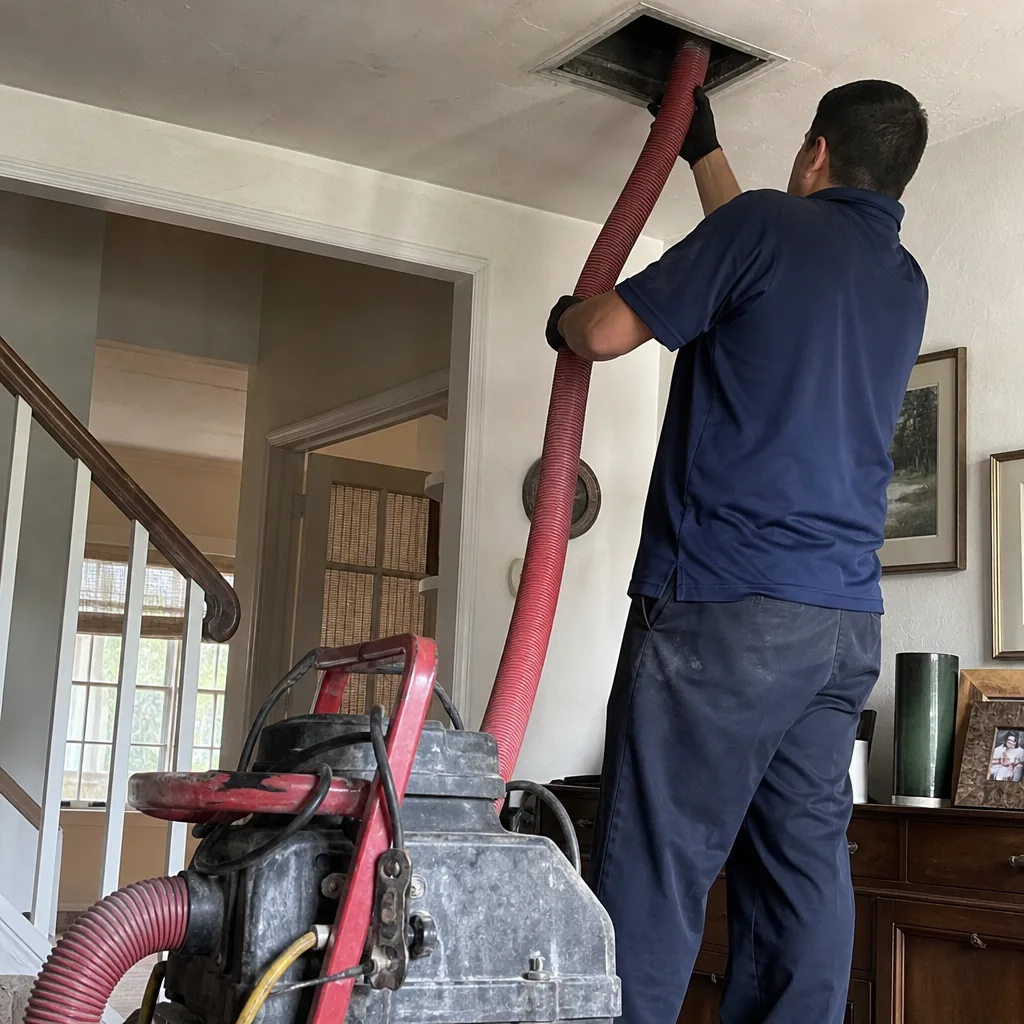 Before
 After
 Before
 After
When to Call a Professional
Call for an assessment when the power was off more than 48 hours, when moisture readings at the register face stay elevated after the system has run for a few days, when the crawlspace of a pier-and-beam home took on water, or when a musty smell persists from multiple registers. Call before you accept any remediation quote so the assessment is your baseline rather than someone else’s. Call after the storm and before the next one for sealing work that closes the entry points. Air Duct Cleaning The Heights offers free estimates in The Heights. Call (855) 726-7524. We answer 24/7. Fast dispatch from 7am to 7pm, Sunday through Friday. The estimate is free and the price is set per job in writing before any work starts.
Frequently Asked Questions
Moisture readings at the register face that stay elevated after the system has run for a few days are the clearest signal, paired with a musty odor from multiple registers or visible rust on register screws and the air handler cabinet. If your home is pier-and-beam and the crawlspace took on water, assume the crawlspace ducts are compromised until a professional confirms otherwise.
Cleaning handles surface contamination and normal post-storm dust and odor, but flood-submerged flex duct needs replacement. The insulation and interior liner hold water in a way no cleaning tool can reach, and cleaning a saturated run just recirculates the moisture. Our assessment tells you which category you’re in before any work starts. Call (855) 726-7524 for an exact quote. Estimates are free.
A close-up and a wider shot of each register before any cleaning, the interior of the air handler cabinet with the panel removed, and the crawlspace ductwork in pier-and-beam homes. Include a written moisture meter reading for each location with the date and the room, plus a timeline of how long the power was off.
Because a low quote frequently skips the assessment and the containment setup and treats a remediation-grade job as a standard clean. The equipment matters here: Rotobrush and Nikro systems with Abatement Technologies containment are what a properly scoped post-storm job actually requires. A quote that doesn’t name its equipment or its documentation protocol is a quote worth questioning. Call (855) 726-7524 for a written scope and a free estimate.
In our humidity and warm temperatures, colonization typically begins between 48 and 72 hours after the system shuts down, assuming the interior of the duct holds moisture and the system isn’t running. The visible mold on the register face shows up after the colonization has already started behind it.
After any flood event that reaches the crawlspace or the air handler, and after any power outage that runs longer than 48 hours. In a year without a significant storm, a standard professional cleaning every few years is a good baseline for most homes here. For a scheduled assessment, call (855) 726-7524. Estimates are free.
The Bottom Line
The duct system is the part of a storm-damaged home that gets addressed last and costs the most to ignore. Visible water damage gets fixed because you can see it. Ducts don’t announce themselves until the smell makes it undeniable, and by then the choice between cleaning and replacement is usually a whole lot easier for the remediation company to push. Get the assessment, get the documentation, and get the seal done so the next event has fewer ways in. In our climate, that’s the difference between a cleaning and a rebuild. Call (855) 726-7524. We answer 24/7. Fast dispatch from 7am to 7pm, Sunday through Friday.
Written by the team at Air Duct Cleaning The Heights.